Captain Gurbachan Singh Salaria: The Param Vir Chakra Hero Who Gave His Life 7,000 Kilometres From Home
Among those sent was Captain Gurbachan Singh Salaria of the 3/1 Gorkha Rifles, whose final battle would become one of the most remarkable episodes of India's Congo mission.

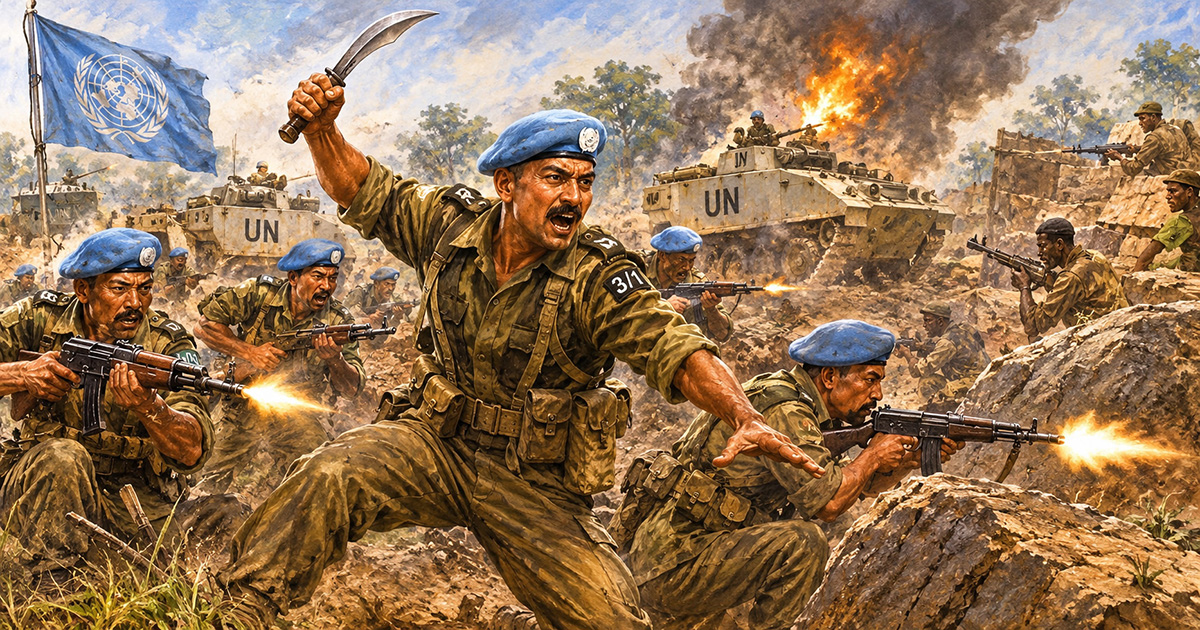
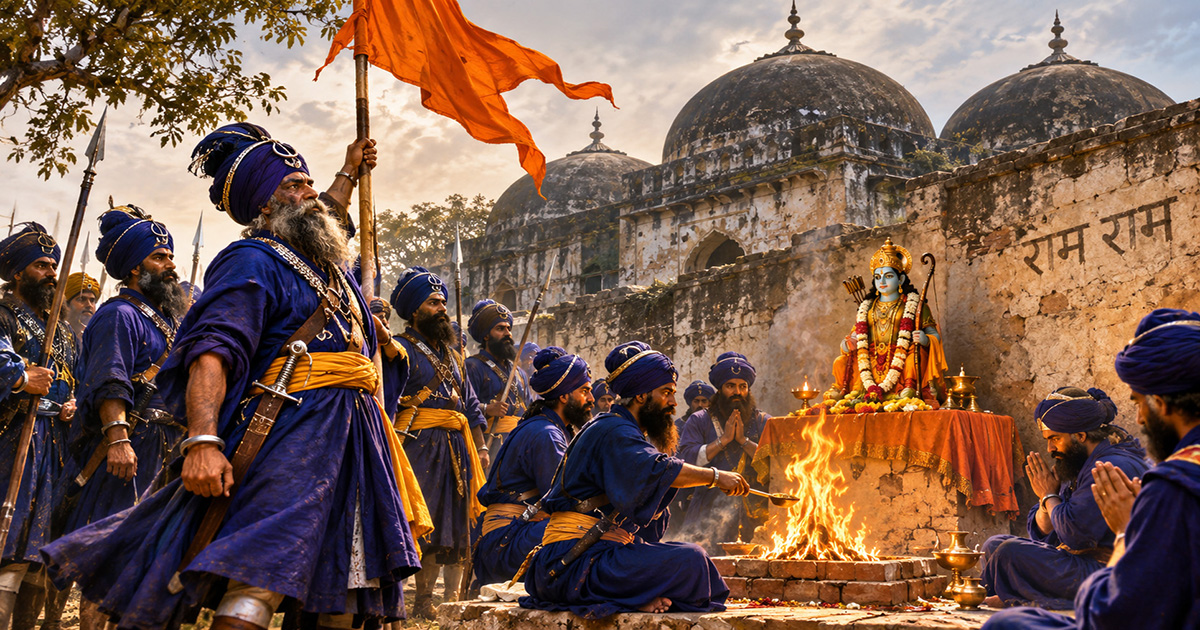
How Captain Gurbachan Singh Salaria and his men helped save Congo | This image is AI-generated
Congo had barely stepped out of 75 years of Belgian colonial domination when its freedom was threatened again. On June 30, 1960, Congo became independent, but within days, Belgium intervened militarily in the mineral-rich province of Katanga and influenced Moïse Tshombe, the province's leader, who declared Katanga independent on July 11. As the crisis deepened and Congo faced the threat of being torn apart, its government turned to the United Nations for help. India answered the call, sending its soldiers as part of the UN peacekeeping mission.
India stepped in to help prevent Congo from breaking apart, a position consistent with its broader opposition to colonialism and foreign domination. Under the UN mission, India became one of the largest contributors, deploying two infantry brigades, with 467 officers, 401 Junior Commissioned Officers (JCOs), and 11,354 other ranks, along with six Canberra aircraft from the Indian Air Force. Indian troops soon became deeply involved in the fighting in Katanga.
Among those sent was Captain Gurbachan Singh Salaria of the 3/1 Gorkha Rifles, whose final battle would become one of the most remarkable episodes of India's Congo mission. On December 5, 1961, near Elizabethville, a Katangese force had established a roadblock near the airfield, threatening the vital route between the UN headquarters and the airport. Salaria and 16 Gorkha soldiers were sent to clear the roadblock and reopen the route. But as they approached, the rebels opened fire from an ambush; nearly 90 Katangese fighters, backed by two armoured cars, opened fire from concealed positions. Sixteen Gorkhas were suddenly facing a force many times their size.
Salaria had one answer, “Jai Mahakali, Ayo Gorkhali!”
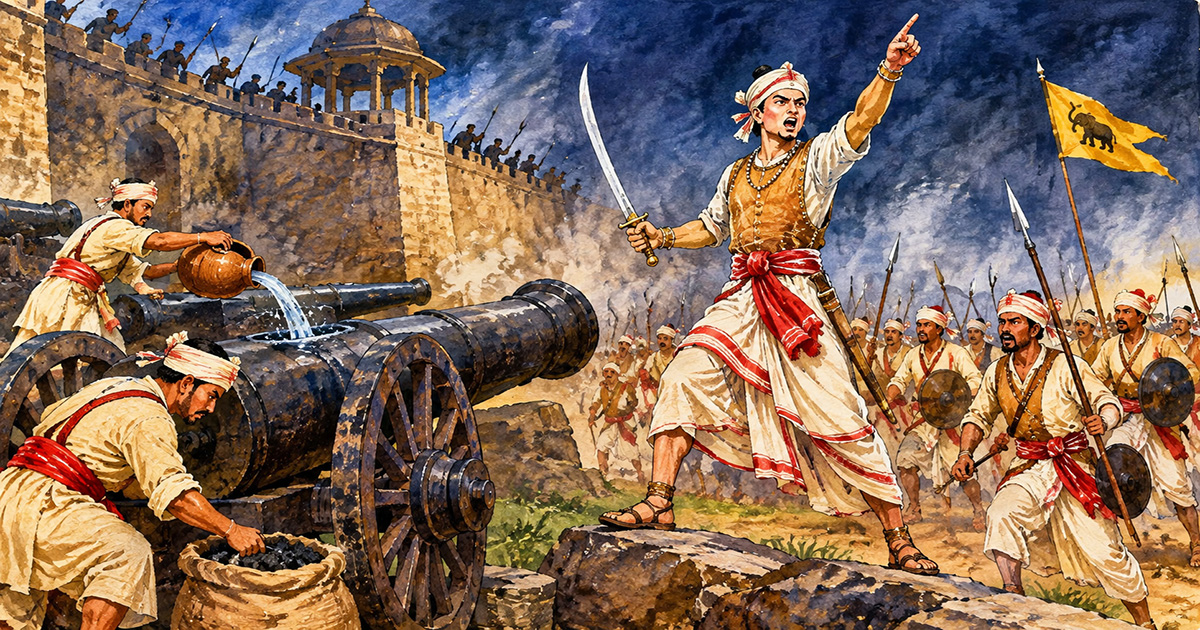
The Gorkhas charged. The rocket-launcher team aimed and knocked out the two armoured cars. Salaria was right behind his men, leading them towards the trenches as bullets tore through the air. Grenades exploded around them. Bayonets flashed. Then the khukris came out. The fight turned into hand-to-hand combat, and the Gorkhas refused to give ground. Then an automatic burst struck Salaria in the neck. Wounded and bleeding, he refused to leave the fight. He kept leading his soldiers forward until the Katangese began to break and flee. Around 40 rebels were killed, the threat was neutralised, and the route was secured. But Salaria paid with his life. He was only 26.
For his extraordinary courage, leadership and supreme sacrifice, Captain Gurbachan Singh Salaria was awarded the Param Vir Chakra posthumously. He remains the only UN peacekeeper to have received India's highest military award and was also the first National Defence Academy alumnus to receive the honour.
His sacrifice was part of a much larger Indian contribution to Operation ONUC. India was one of the mission's largest troop contributors, and 39 Indian personnel lost their lives during the Congo operation. India was not merely watching another newly independent nation struggle to protect its sovereignty; its soldiers were standing on the ground to help a fellow post-colonial country preserve its territorial integrity.
What made the mission significant for India was its historical context. A country that had itself emerged from colonial rule was now sending thousands of soldiers to Africa to help another newly independent nation protect its unity and freedom. Congo therefore became an important early chapter in India's long-standing role in UN peacekeeping.