From Widow Remarriage to a Women’s University: The Bold Legacy of Dhondo Keshav Karve

Let’s see what makes today special in the story of India’s social reform. On 9 November, we remember Dhondo Keshav Karve, a man whose courage, vision, and unyielding dedication transformed the lives of countless women. But why now? Beyond marking his death anniversary in 1962 at the remarkable age of 104, today is a day to celebrate the institutions he built and the social barriers he broke, especially in widow education and women’s higher learning. Karve’s journey was not only about setting up schools; it was about creating a blueprint for social change, showing that education, courage, and empathy can reshape society.
Key highlights include his bold personal life choices, like marrying a widow in 1893, founding India’s first women’s university in 1916, championing widow remarriage, and building sustainable institutions that continue to empower women to this day. These actions weren’t just reformist; they were revolutionary, leaving a legacy still alive in Maharashtra and across India. Let’s explore the extraordinary life of this man and the enduring impact of his work.
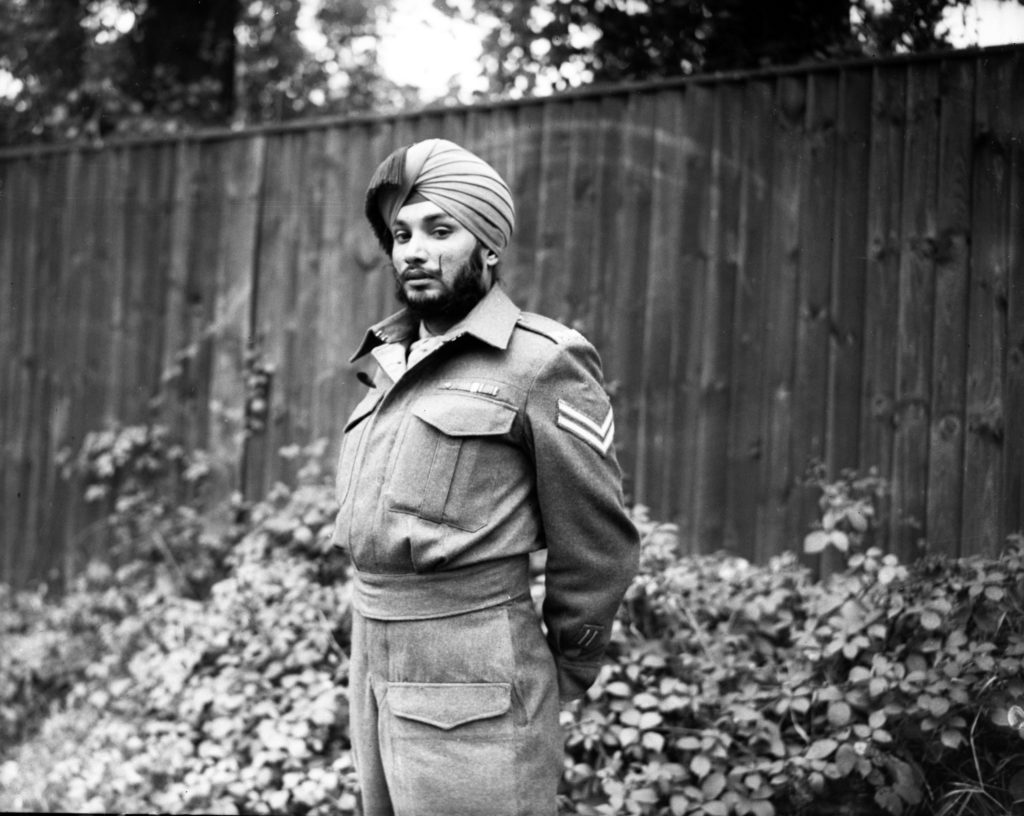
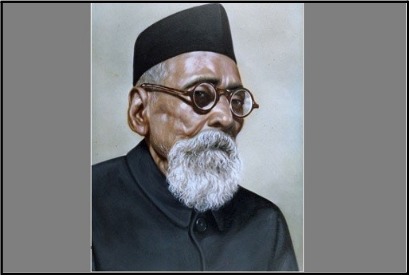
Dhondo Keshav Karve, India’s social reformer | Credit: Swarajya
Early Life and Personal Experiences That Shaped His Vision
Dhondo Keshav Karve was born on 18 April 1858 in Sheravali near Murud, Maharashtra. His parents, Keshava Pant and Laxmibai, instilled in him a strong ethic of honesty, self-reliance, and moral courage. From an early age, Karve was influenced by his family’s frugality and hard work, shaping his lifelong dedication to social reform. He studied in the Konkan region and later at Elphinstone College in Bombay, earning a Bachelor’s degree in Mathematics in 1884. This academic foundation allowed him to work as a mathematics professor at Fergusson College, Pune, from 1891 to 1914, but even during these years, his mind was set on social innovation.
The turning point in Karve’s personal life came with tragedy. After losing his first wife, Radhabai, during childbirth in 1891, he experienced firsthand the vulnerability of widows in Indian society. This empathy drove his lifelong mission: empowering widows and challenging the social stigma they faced. In 1893, Karve married a young widow, Godubai, whom he renamed Anandibai, despite facing social ostracism. This personal choice demonstrated courage and became a living example for his advocacy of widow remarriage, reinforcing the idea that social reform must begin with personal commitment.
Championing Widow Remarriage
Karve’s efforts for widow remarriage were not limited to speeches or moral appeals; he built concrete institutions to make remarriage a feasible and respected option. In 1893, he founded the Widow Marriage Association, providing social and financial support for widows to remarry. Just three years later, in 1896, he established the Hindu Widows’ Home in Hingane, a school and shelter that offered education, vocational training, and a safe environment for widows to live with dignity. These institutions were strategically located in remote areas to protect residents from societal backlash while promoting education and self-reliance. Karve’s combination of advocacy and institution-building created a tangible, long-lasting impact on widow welfare.
Pioneering Women’s Education
Karve’s vision extended beyond widow welfare to women’s education at large. In 1907, he established Mahila Vidyalaya, a school for women, and in 1908, Nishkam Karma Math, a center that trained volunteers in selfless service to support his institutions. The principle of “nishkam karma”, selfless action, ensured that women could serve each other and sustain these early educational initiatives despite financial and social hurdles.
His crowning achievement came in 1916 with the founding of India’s first women’s university, initially called the Indian Women’s University and later renamed SNDT Women’s University after receiving a Rs 1.5 million endowment from philanthropist Vithaldas Thackersey in 1920. Beginning with just five students, Karve’s vision created a pathway for higher education for women at a time when conservative societal norms opposed their learning. His strategy combined literacy, vocational training, teacher education, and cultural sensitivity to gradually win public acceptance and build a sustainable model.
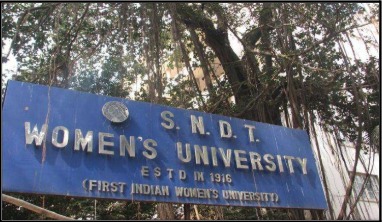
S.N.D.T. Women’s University, India’s first women’s university set up by Dhondo Keshav
Karve’s genius lay not only in founding institutions but in ensuring their sustainability. Beyond SNDT, he created teacher training colleges, girls’ schools, and residential hostels, building a network that provided education, vocational skills, and safe living conditions. His emphasis on volunteer-driven support at Nishkam Karma Math and hands-on fundraising across villages strengthened these institutions’ resilience. Karve’s model demonstrated that social change required systemic thinking, combining education, social service, and public persuasion to create durable reform.
Legacy and Long-Term Impact
The impact of Karve’s work is measurable and inspiring. SNDT Women’s University has grown from a handful of students to a multi-campus institution educating tens of thousands of women. Many alumni have become teachers, administrators, and social reformers, continuing Karve’s multiplier effect by educating the next generation of women. Women like fashion designer Anita Dongre and scientist Dr. Kavita Inamdar reflect how SNDT graduates have contributed to diverse fields, from arts and entrepreneurship to science and leadership.
Karve lived to be 104, using his advanced years to strengthen his institutions, author memoirs, fundraise, and advocate for women’s education nationally and internationally. His efforts were recognized with India’s highest civilian honours, including the Padma Vibhushan in 1955 and the Bharat Ratna in 1958, acknowledging his lifetime of transformative work.
Continuing Relevance Today
Widow rights and women’s education in India have come far, but challenges remain. Social stigma, economic insecurity, and gaps in rural education persist, highlighting the continued relevance of Karve’s approach. Modern initiatives echo his methods: providing residential facilities, vocational training, teacher preparation, and culturally sensitive education. SNDT continues to mark its legacy through campuses, exhibitions, and programs that educate tens of thousands of women, keeping alive Karve’s mission of dignity, opportunity, and empowerment.
Dhondo Keshav Karve’s life is a testament to courage, empathy, and vision. From marrying a widow against societal pressure to building India’s first women’s university, he showed that reform requires personal commitment, practical action, and sustainable institutions. Today, as we mark 9 November, Karve’s legacy lives on in SNDT, in the countless women he empowered, and in the ongoing struggle for gender equality. His life reminds us that social reform is not abstract; it is deeply human, requiring bold action, compassion, and the belief that education can transform society.
.png)