How Suhasini Ganguly Sheltered the Revolutionaries of the Chittagong Armoury Raid from the British
On April 18, 1930, Surya Sen's daring Chittagong Armoury Raid sent shockwaves through the British Empire.

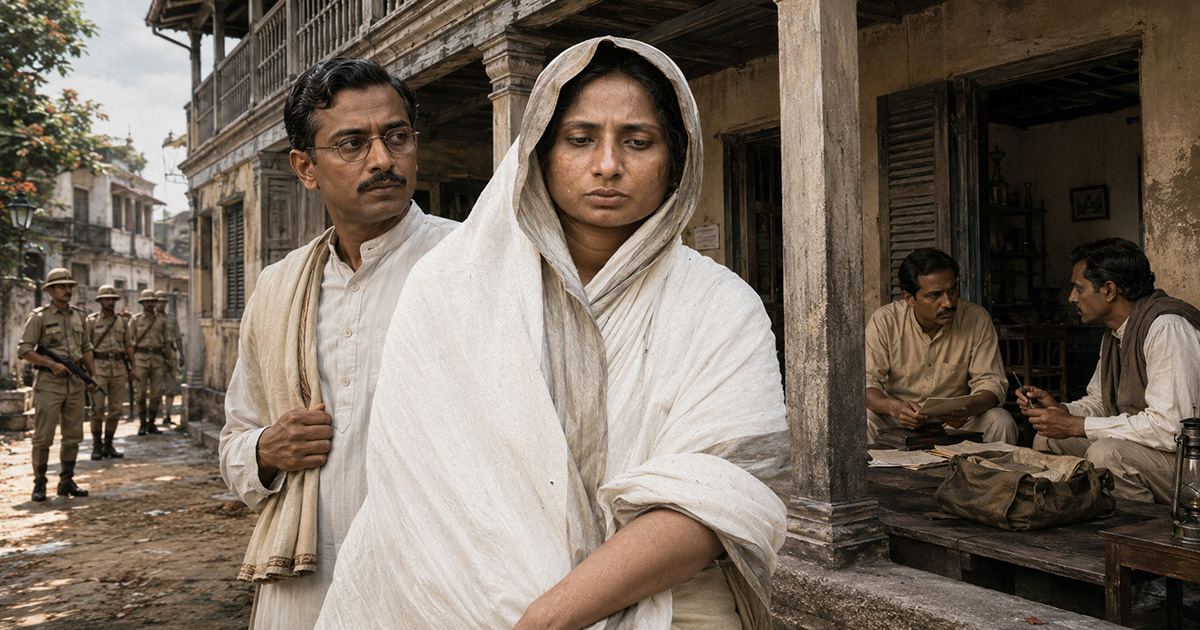
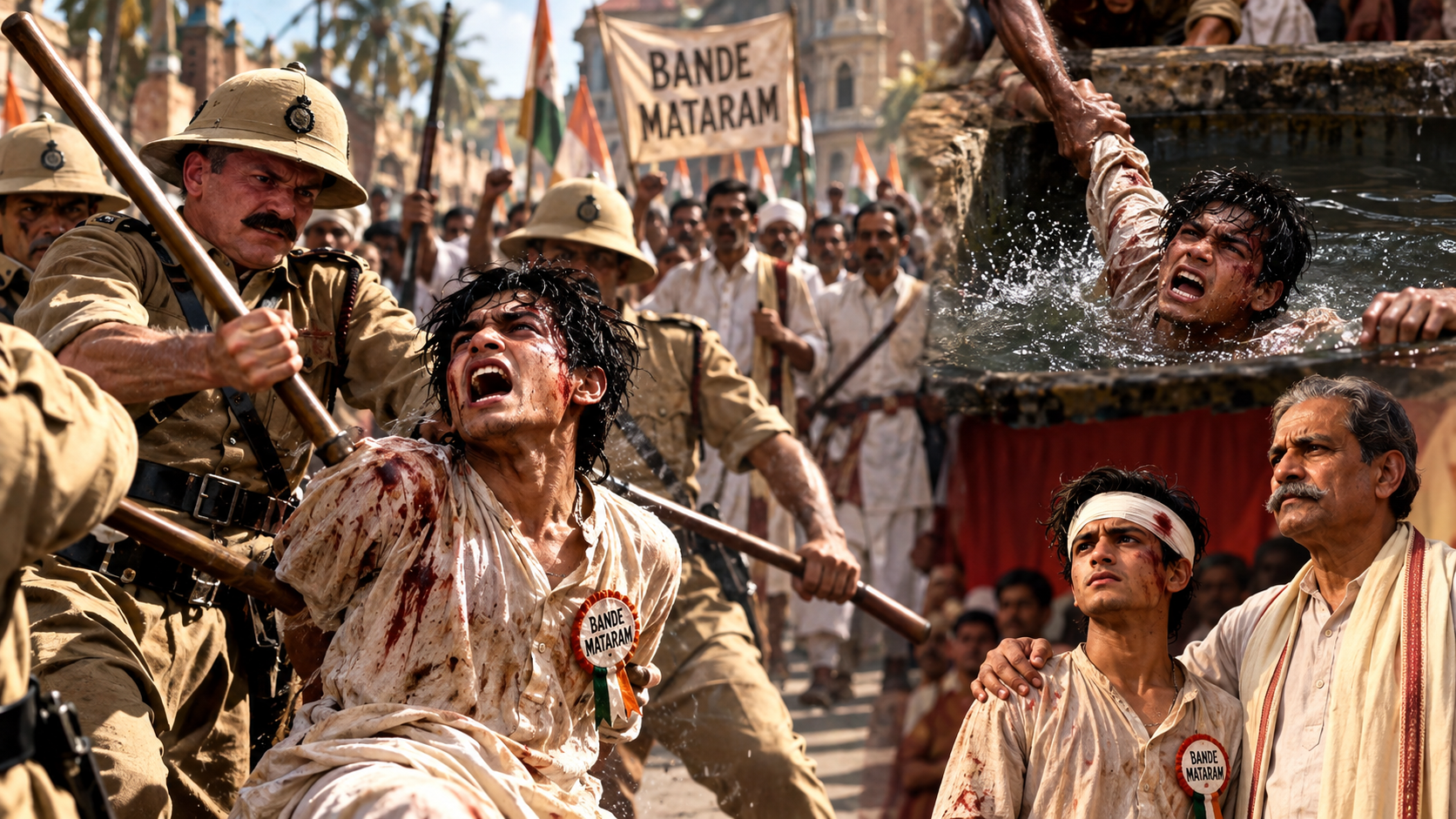
Suhasini Ganguly | This image is AI-generated
In the 1930s, the British were searching every corner of Bengal for the revolutionaries behind the Chittagong Armoury Raid. Rewards were announced, raids intensified, and arrests became routine. Yet the young revolutionaries remained out of reach because they were hiding in a place which anyone could hardly suspect—inside the home of a young schoolteacher named Suhasini Ganguly, who had transformed an ordinary house in Chandernagore into one of the safest hideouts.
Revolutionary Suhasini Ganguly | Image Source: Hindi Vivek
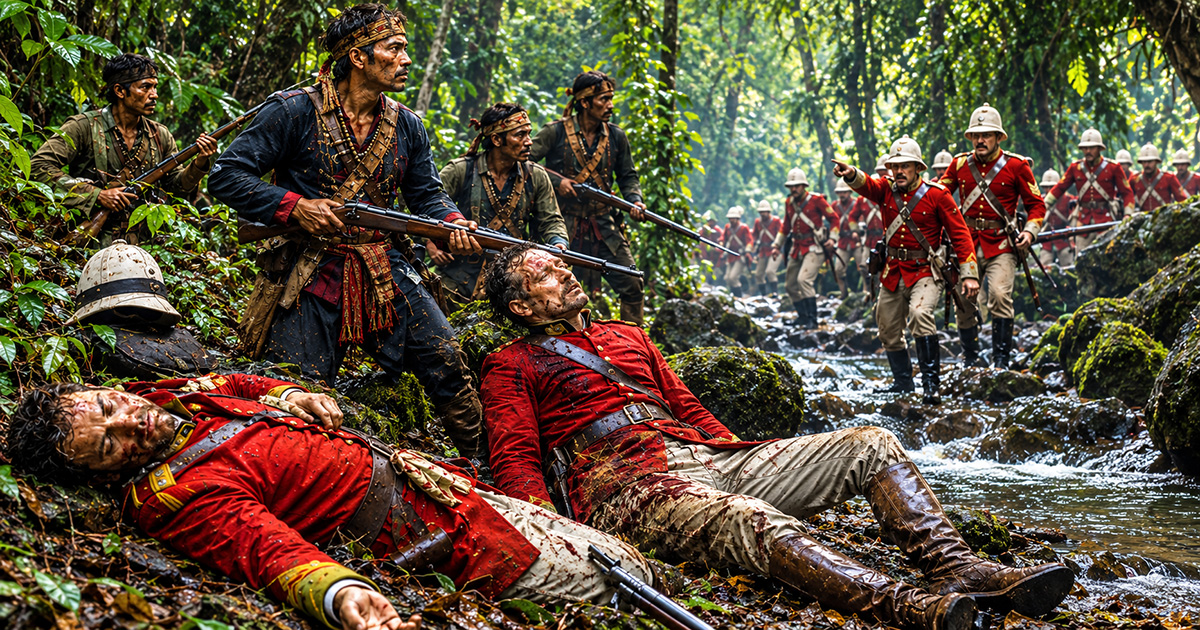
On April 18, 1930, Surya Sen's daring Chittagong Armoury Raid sent shockwaves through the British Empire. During the raid, Surya Sen led a group of young revolutionaries in a carefully planned assault on the British administration in Chittagong. The revolutionaries captured the police and Auxiliary Force armouries, cut telegraph and telephone lines, disrupted railway communication, and briefly isolated the town from the rest of British India. An embarrassed Raj then began a massive manhunt, forcing the revolutionaries to flee across Bengal. Some reached Chandernagore, a French colony beyond the British police's immediate reach. The British East India Company ruled Bengal, but Chandernagore, which was also in Bengal, was established as a French colonial outpost and was thus safe from British scrutiny. But even there, they needed someone willing to risk everything by giving them shelter. That person was Suhasini Ganguly, who was residing in Chandernagore to work on India's freedom struggle away from British surveillance.
To help the revolutionaries, she rented a modest two-storeyed house with fellow revolutionary Shashadhar Acharya. To avoid attracting suspicion, the two posed as husband and wife, because in colonial Bengal, landlords were often reluctant to rent houses to unmarried men, fearing they might be involved in revolutionary activities. A married couple, however, attracted little attention. The house became a sanctuary for some of the British Empire's most wanted revolutionaries. Among them were Ganesh Ghosh, one of the principal organisers of the Chittagong Armoury Raid; Lokenath Bal, who had led the attack on the Auxiliary Force armoury; Ananda Gupta, a close associate of Surya Sen; and Jiban Ghoshal, another committed member of the underground movement. There they found food, rest, and, most importantly, time to regroup.
The men behind Chittagong armoury raid | Image Source: The Better India
Meanwhile, on her part, Suhasini carefully maintained the disguise of a married woman. Every day she wore sindoor and sankha-pola, the traditional conch-shell bangles worn by married Bengali women. She took up a teaching position at Kashishwari Pathshala, maintained communication with neighbours, visited the local market, and carried on with the routines of an ordinary homemaker. Thus, to everyone around her, she was simply a respectable Bengali wife and schoolteacher. Their plan worked wonders, but only until September 1, 1930.
That day, everything changed. Based on intel about the covert operation from a person who betrayed the revolutionaries, British armed police surrounded the house. Realising there was little chance of escape, the revolutionaries decided to resist. A fierce gun battle erupted, shattering the quiet streets of Chandernagore. During the exchange, revolutionary Jiban Ghoshal was killed, while Suhasini Ganguly was arrested along with others.
What followed was brutality. The British repeatedly interrogated Suhasini, demanding to know Surya Sen's whereabouts, the locations of hidden arms, the identities of couriers, and the names of those still operating underground. Despite enduring severe physical abuse in custody, she did not reveal information that could endanger her comrades. The colonial government eventually sent her to the Hijli Detention Camp, near present-day Kharagpur, where many political prisoners considered dangerous to the Raj were held for years under extraordinary detention laws. She spent nearly six years in prison in complete isolation, but her resolve remained unbroken.
Hijli Detention Camp | Image Source: Wikipedia
When history recalls the Chittagong Armoury Raid, it rightly celebrates the young revolutionaries, including a dozen women, who dared to challenge the British Empire with guns in their hands. But behind these revolutions are people like Suhasini Ganguly, who led such operations in disguise. Though her modest house in Chandernagore eventually fell to the British, by then, it had already served its purpose. It had kept alive a revolution the Empire was desperate to extinguish.