Nalanda Mahavihara: How Buddhist Master Rahula Shribhadra Kept India's Greatest University Alive Amid Destruction & Ruins
Around 1235 CE, when Nalanda Mahavihara—once the world's greatest Buddhist university—lay in ruins and ashes, a 90-year-old Buddhist master named Rahula Shribhadra refused to leave.


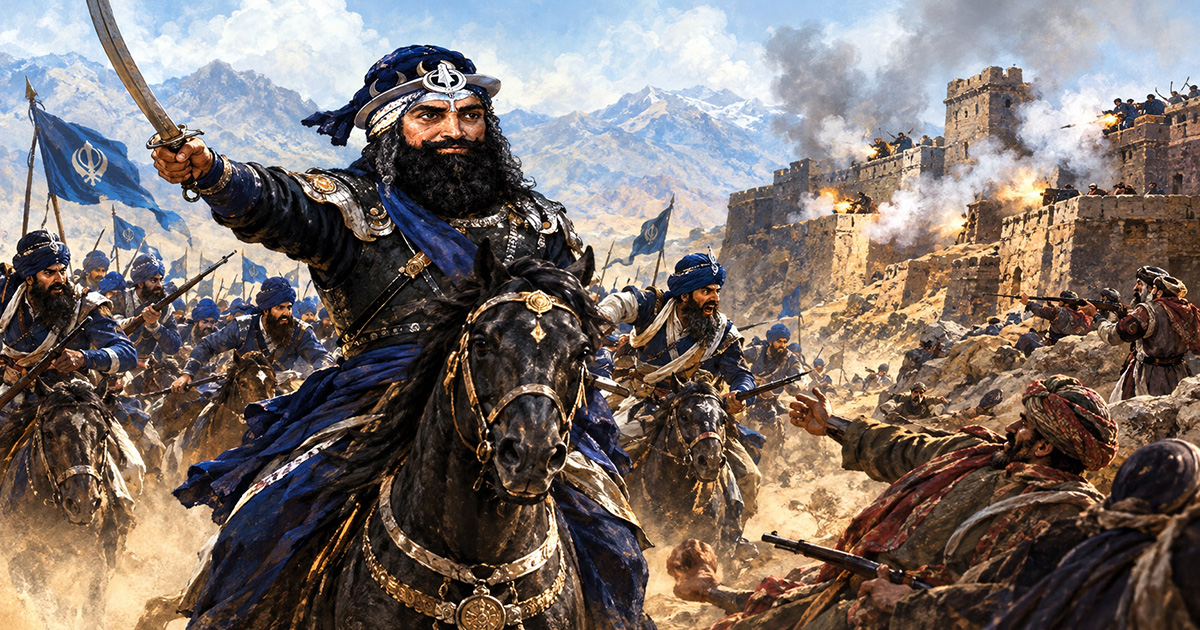
90-year-old Buddhist master named Rahula Shribhadra at Nalanda Mahavira | This image is AI-generated
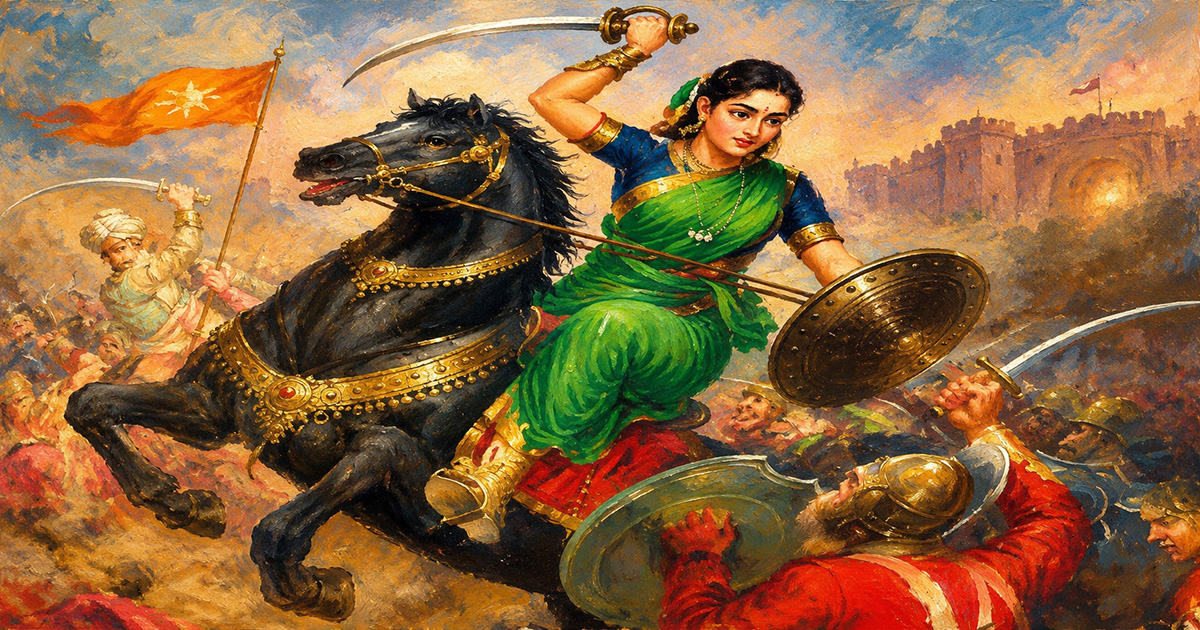
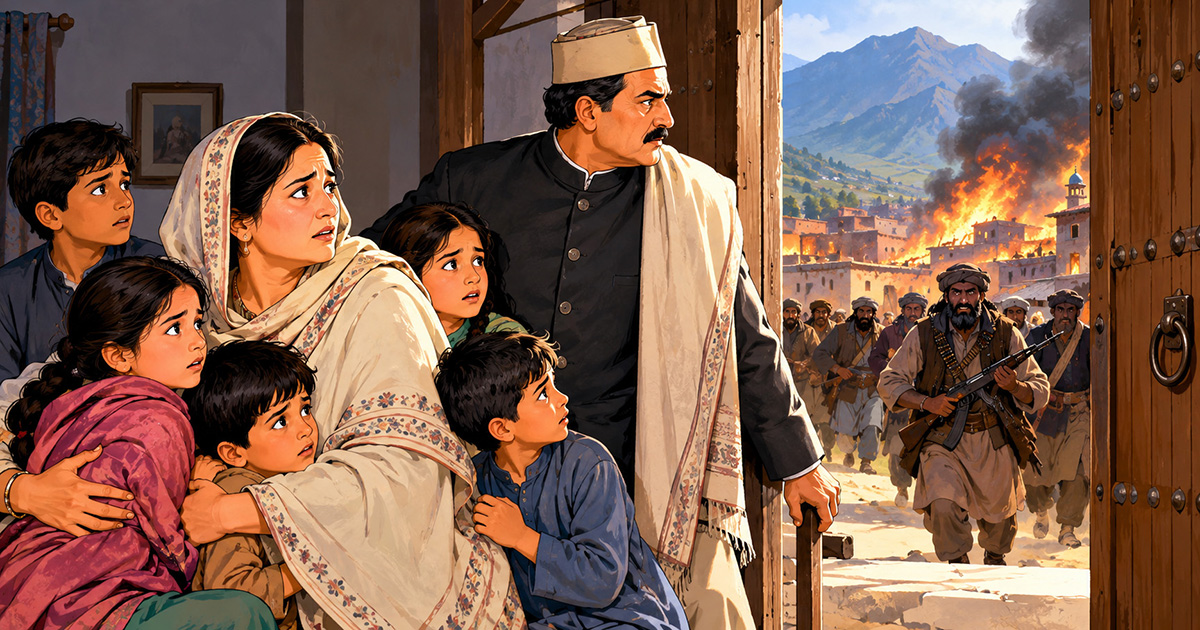
Around 1235 CE, when Nalanda Mahavihara—once the world's greatest Buddhist university—lay in ruins and ashes, a 90-year-old Buddhist master named Rahula Shribhadra refused to leave. Its towering monasteries had been reduced to rubble, the legendary multi-storey library, Dharmaganja, had been consumed by flames, and the bustling courtyards that once echoed with debates had fallen silent following the brutal and devastating invasion by Muhammad Bakhtiyar Khalji. Yet, amid the devastation, Rahula Shribhadra continued teaching a small group of 70 disciples, determined that Nalanda's centuries-old tradition of learning should not perish. The one who witnessed this among the ruins was the renowned Tibetan monk and translator Chag Lotsawa (Dharmasvamin), who had arrived at Nalanda hoping to study at the legendary university. He witnessed Rahula Shribhadra still teaching, still preserving Nalanda's intellectual tradition, nearly three decades after its destruction.

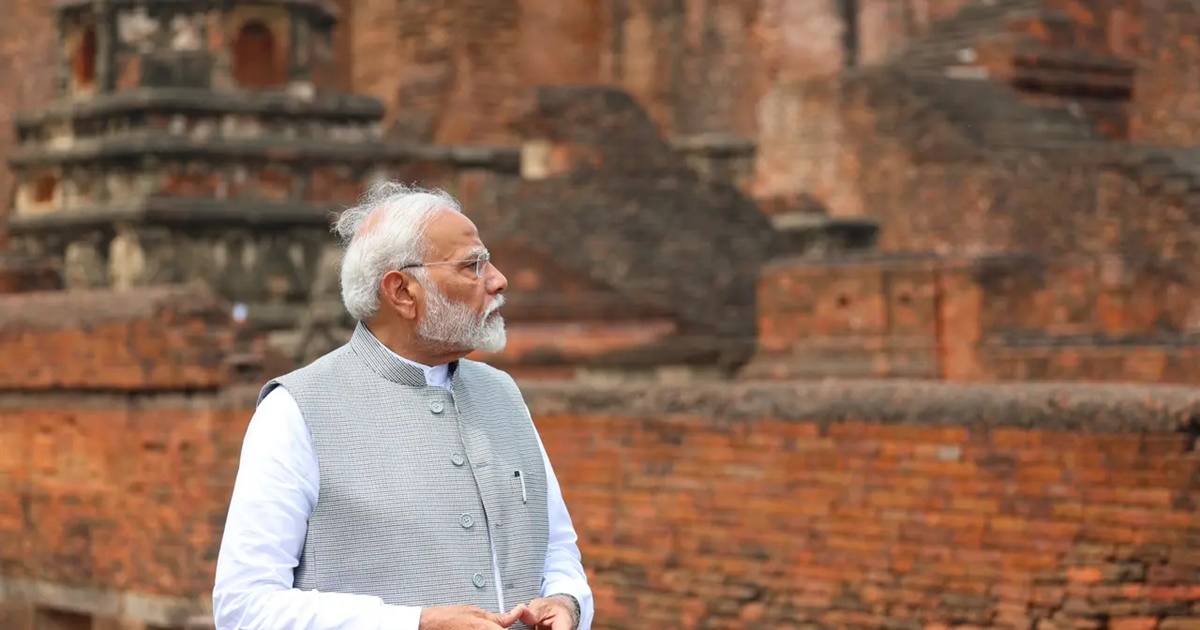
The historical site of Nalanda | Image Source: Times Now
However, the Nalanda that was barely surviving was attacked again. This time, a band of 300 Turkic troops threatened the remaining community. But this time, one of Rahula Shribhadra’s disciples helped him flee Nalanda, carrying him on his shoulders along with a few books, some rice and sugar. With Rahula Shribhadra's departure, the final chapter of one of history's greatest universities—which stood as the intellectual heartbeat of Asia, welcoming scholars from across China, Tibet, Korea, Sri Lanka, Southeast Asia and Central Asia—came to an end. For nearly six centuries thereafter, Nalanda disappeared. The university survived only in historical records, particularly the detailed travel accounts of the Chinese monk Xuanzang, who had studied there during the 7th century.
Yet, fortunately enough, Nalanda's return began in the nineteenth century. The breakthrough came in the 1860s when Sir Alexander Cunningham, founder of the Archaeological Survey of India (ASI), turned to Xuanzang's writings. Comparing the Chinese pilgrim's meticulous descriptions with ruins scattered across Bihar, Cunningham realised that the distances, landmarks and architectural layout matched perfectly. The legendary Nalanda had finally been found. Beginning in 1915, the ASI launched systematic excavations that continued for decades. Archaeologists unearthed brick monasteries, temples, lecture halls, seals, inscriptions, copper plates, coins and terracotta artefacts, gradually revealing the remarkable scale of the ancient campus. The rediscovery transformed Nalanda from a forgotten legend into one of the world's most important archaeological sites.
Fast forward to the present, the Indian Parliament had revived the institution itself through the Nalanda University Act, 2010, leading to the establishment of a modern international university near the ancient ruins. Once again, students from different countries began arriving in Nalanda—not to study in the ancient monasteries, but to continue the spirit of international learning that had defined Nalanda for centuries. The revived Nalanda University is home to approximately 1,038 students, with over 180 international students representing more than 30 countries. Its global significance received formal recognition in July 2016, when the Archaeological Site of Nalanda Mahavihara was inscribed as a UNESCO World Heritage Site.
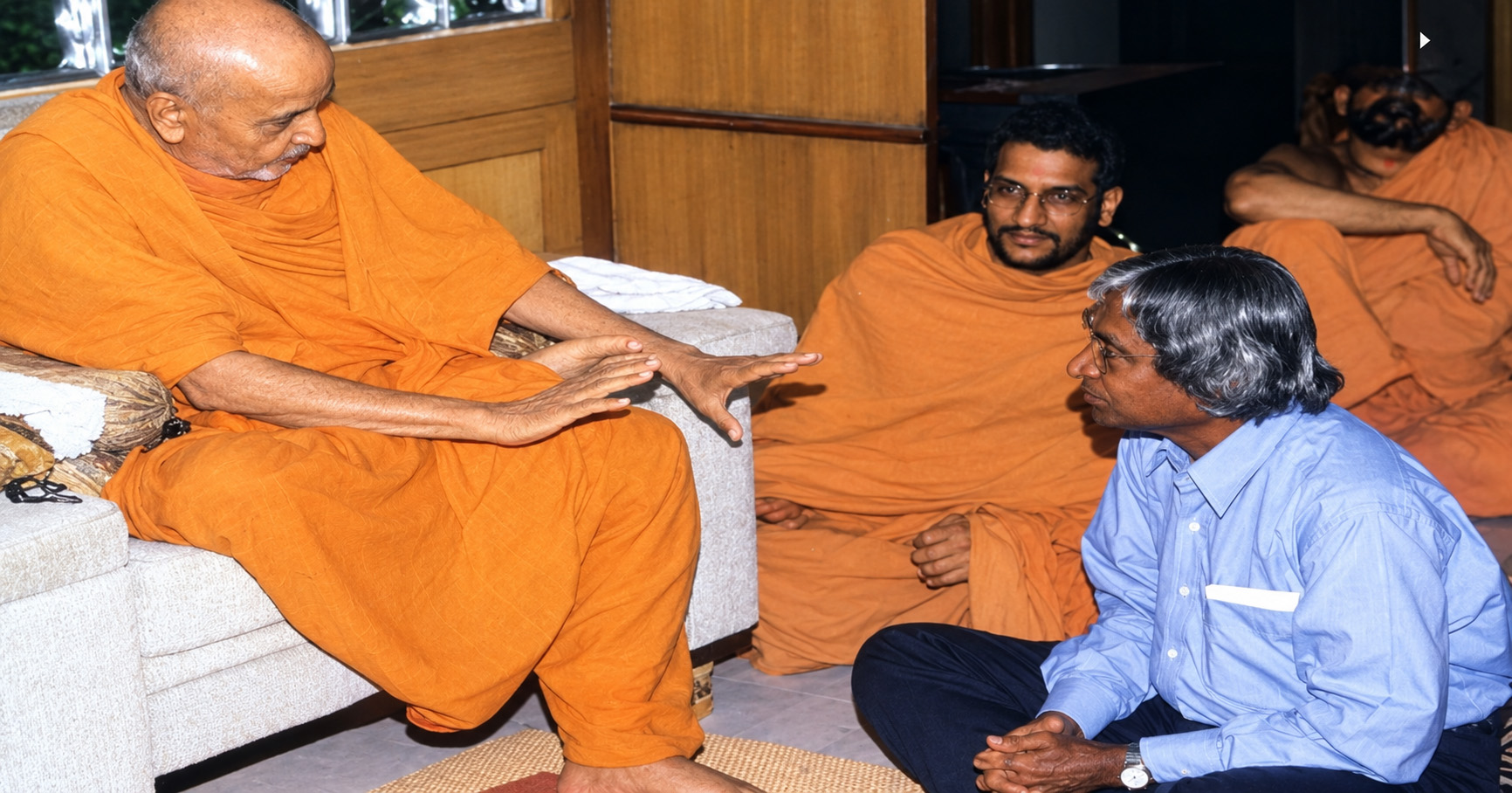
The revival of Nalanda | Image Source: India TV News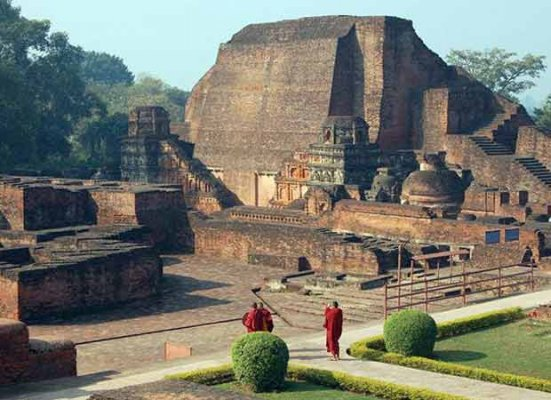
Thus today, Nalanda is far more than an archaeological monument. It is one of India's finest examples of educational tourism—a destination where travellers do not simply admire ancient architecture but engage with one of the greatest intellectual traditions in human history. For while conquerors reduced its buildings to ashes, they could not destroy the idea that made Nalanda truly great—the pursuit of knowledge across borders, cultures, and generations.