The Heraka Queen: How a Young Rani Gaidinlui Safeguarded Naga Heritage Against Christian Missionaries

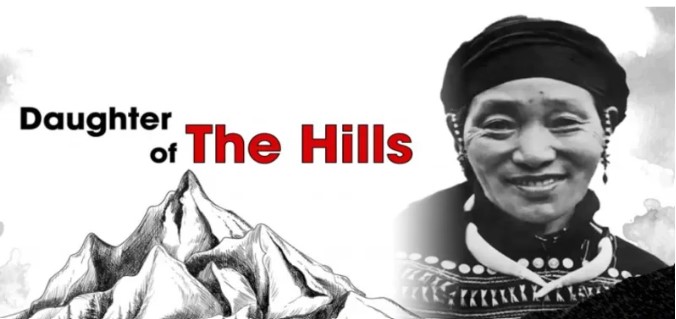
At the tender age of 13, Rani Gaidinliu stepped into a fight not for political power, but for the survival of its people against the Christian missionaries — the Heraka Movement. Born on January 26, 1915, in Manipur’s Longkao village, she witnessed how missionaries began rapidly converting Naga tribes, weakening their ancestral beliefs and tearing communities apart. By the age of 16, she emerged as the unexpected leader of the movement, determined to protect the Heraka faith, the centuries-old spiritual tradition of the Zeliangrong people. But to understand the battle she took upon herself, one must first understand the movement she inherited.
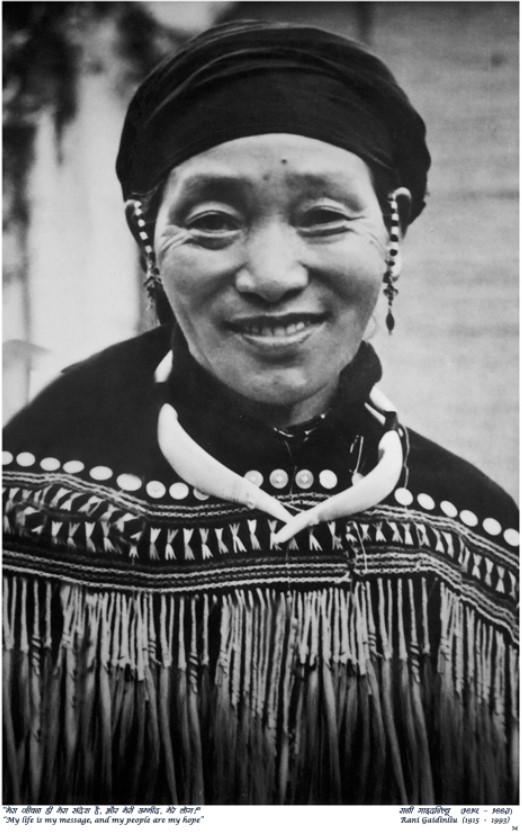
Rani Gaidinliu | Image Source: PIB India
When Heraka Movement Came Under Threat
The Heraka Movement, guided initially by her cousin Haipou Jadonang, sought to preserve indigenous Naga religion and customs at a time when missionaries were reshaping social norms, belief systems, and community life across the hills. Missionary influence grew so strong that many Heraka followers were ridiculed, isolated, or pressured into abandoning their faith. Age-old practices, attire, rituals, and community structures began dissolving.
Following Jadonang’s death on August 29, 1931, the 16-year-old Gaidinliu led the Heraka movement and fought against the Christian missionaries because if the Naga people lost their religion, their culture, identity, and unity would also collapse. She travelled from village to village, urging people to hold on to their ancestral gods, rituals, and traditions; or else conversion would erase the Naga identity. She rejected the idea that Christianity was the path to “civilization,” insisting instead that their indigenous faith was complete and sacred.
How Rani Gaidinliu Worked to Protect the Heraka
As missionary activities increased in the Naga Hills, Rani Gaidinliu formed the Rani Party Zeliangrong on October 8, 1960, a parallel social and administrative system dedicated to the revival of Heraka. It included around 400 armed volunteers and over 1,000 civilian supporters, all committed to strengthening the Heraka faith and resisting pressures to convert.

Rani Gaidinliu with one of the Heraka follower | Image Source: Navbharat Times
Once, when a young man addressed her as “Apui” (mother) after recognizing her traditional attire, she reminded him, “You recognized me because I wore our dress. Without it, how would we know one another?” Thus, she promoted religious reforms, community discipline, and cultural revival, insisting that Heraka men wear bronze earrings and women wear traditional attire and maintain traditional hairstyles to strengthen unity in the face of conversion. Her most famous words capture her vision: “Loss of religion is the loss of culture, and loss of culture is the loss of identity.”
Her movement ensured that Heraka survived the storm of missionary expansion and remained a living spiritual tradition. Today, she is remembered not just as a freedom fighter but as a protector of indigenous faith, a cultural guardian who stood in the face of the Christian missionaries. Her struggle remains one of India’s most powerful stories of resistance — an insistence that a community must never forget who they truly are.