The Mystery Surrounding Bhagat Singh's Body That the British Tried to Hide for Decades
23 March 1931—the moment this date is mentioned, every Indian recalls the sacrifice of Bhagat Singh.

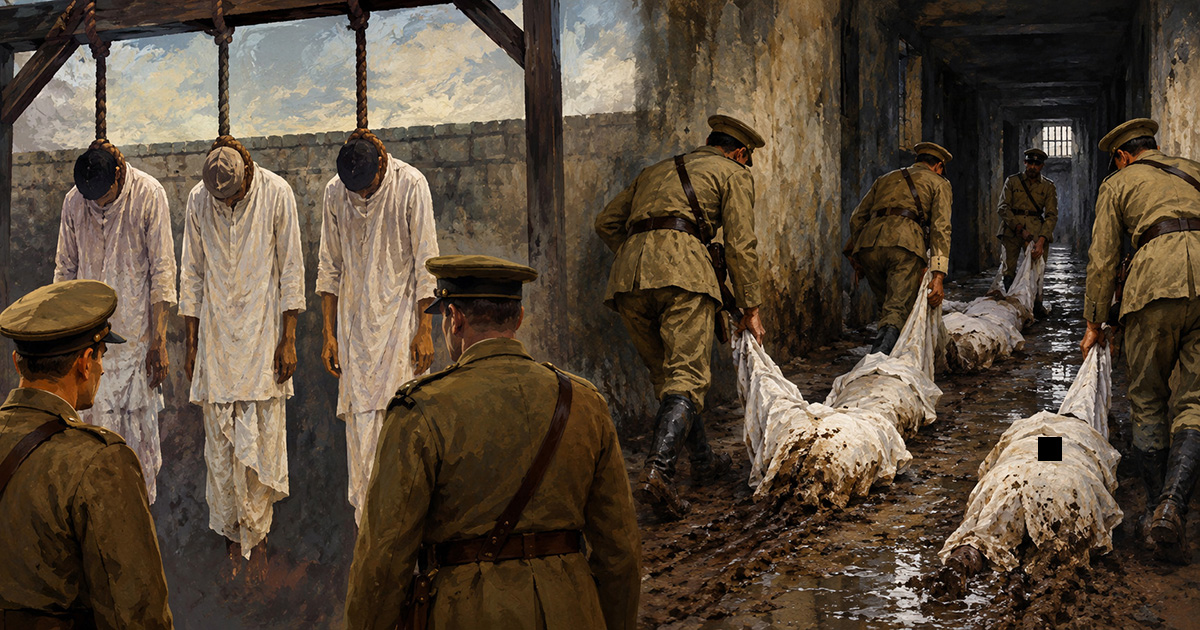
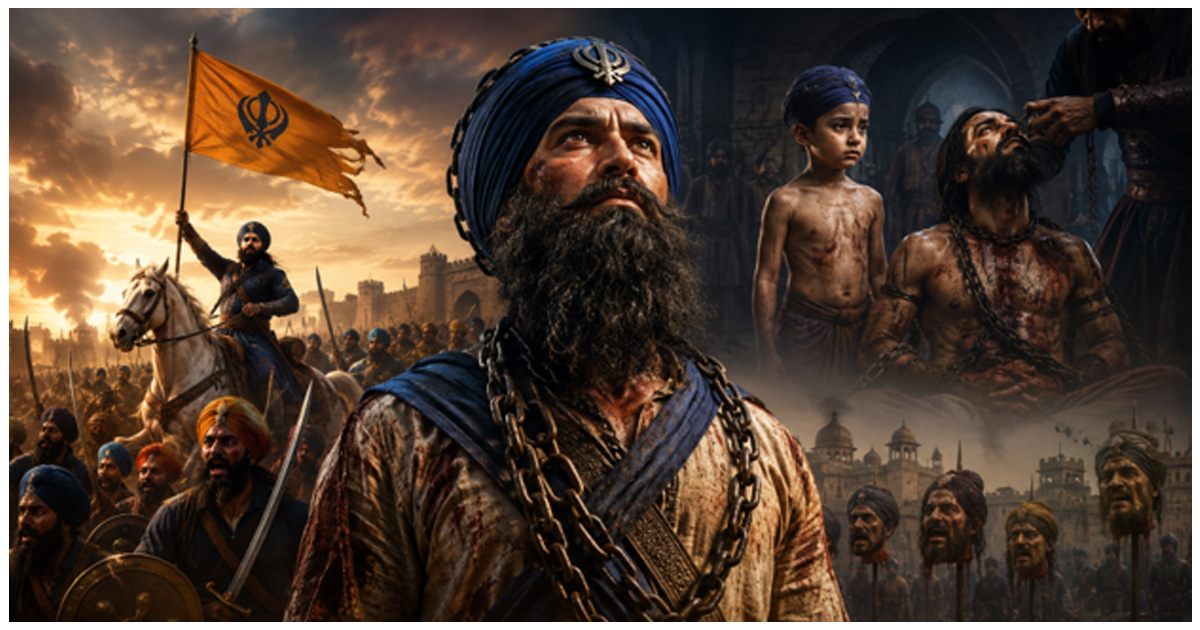
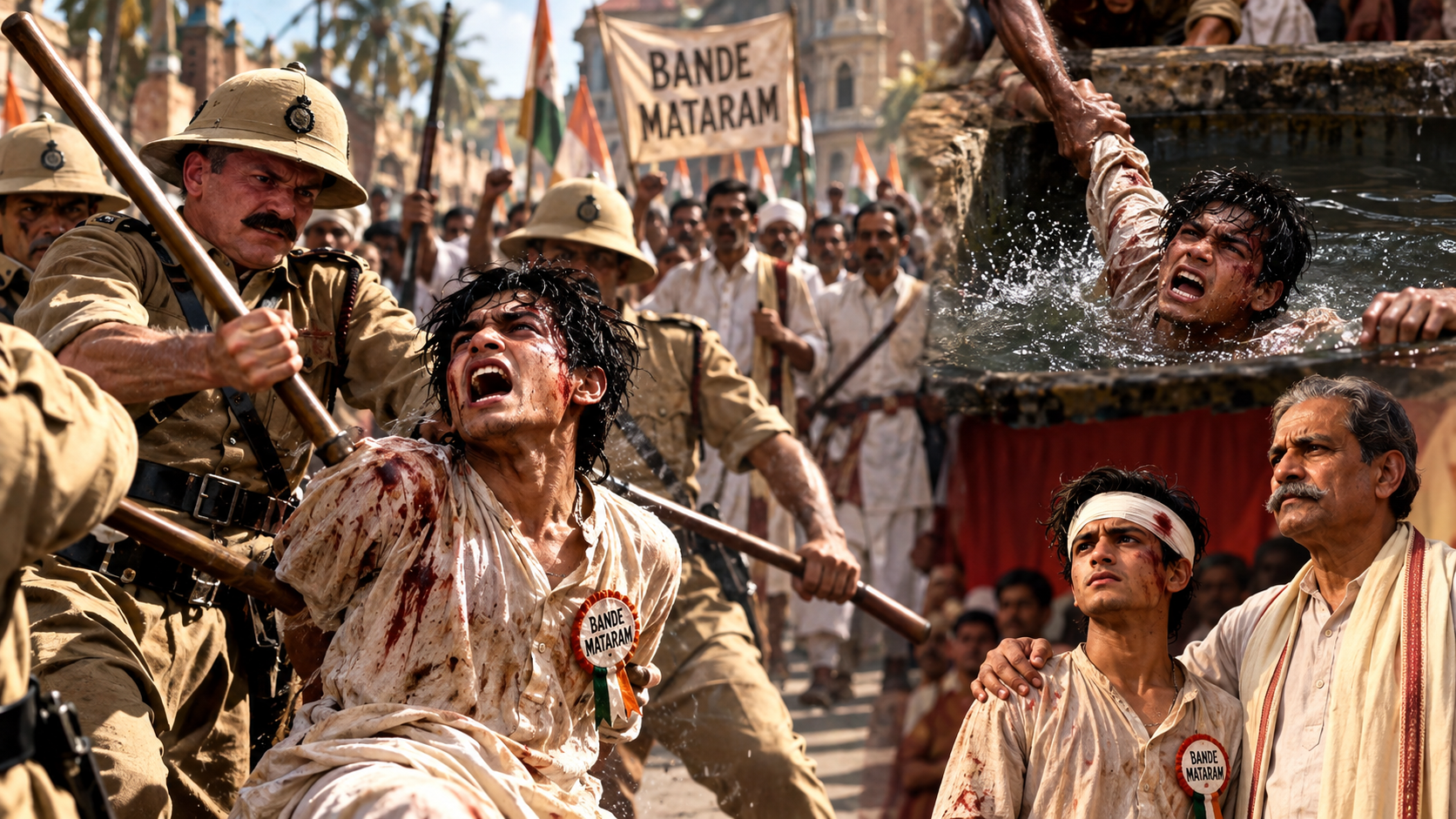
The mystery of Bhagat Singh's death | This image is AI-generated
23 March 1931—the moment this date is mentioned, every Indian recalls the sacrifice of Bhagat Singh. But do you know what the British did on the night this immortal revolutionary smilingly embraced the gallows—something they kept hidden from the public for decades? This is not merely the story of an execution, but of a brutality that brought shame upon humanity itself. The British colonial government not only took Bhagat Singh's life, but also treated his lifeless body in a manner that no one would inflict even upon an animal without thinking a thousand times. What exactly happened inside Lahore Central Jail that night? Why were the British officials in such haste? Why was such cruelty inflicted upon Bhagat Singh's mortal remains?
The answer lies in one of the most painful chapters of India's freedom struggle. Bhagat Singh, Rajguru, and Sukhdev were officially scheduled to be hanged on the morning of 24 March 1931. However, the British government had become terrified of their immense popularity. As a result, nearly 12 hours before the scheduled time, at around 7:30 p.m. on 23 March 1931, the three revolutionaries were secretly executed inside Lahore Central Jail. Present inside the prison were British officials Steed, Barker, Roberts, and Harding. Outside the jail stood Additional District Magistrate Sheikh Abdul Hamid, accompanied by hundreds of armed policemen. The British administration had made elaborate preparations, fearing that the public might storm the prison. Everything that was to happen after the execution had already been carefully planned.
The moment life left the bodies of Bhagat Singh, Rajguru, and Sukhdev, the British officials did not wait even for a single moment. The bodies were taken down from the gallows and dragged through a deserted, mud-filled corridor inside the prison. But even this was nothing compared to the cruelty that was about to follow. British officials Steed, Barker, Roberts, and Harding ordered that the bodies of the three revolutionaries be cut into several pieces. Blood streamed from their lifeless bodies, staining the prison premises red—as if Mother Earth herself wished to absorb every drop of their blood. The British did this to conceal the identities of the bodies and to transport them outside the prison more easily.
The bodies of the men who had laid down their lives for India's freedom were now mercilessly cut into pieces and stuffed into separate sacks. The sacks containing the remains of Bhagat Singh, Rajguru, and Sukhdev were quietly taken out through the rear gate of the prison. Outside, a truck had already been kept ready. Under heavy police protection, the vehicle left Lahore and headed towards Kasur. At a deserted spot on the banks of the Sutlej River, without the presence of their families, the mutilated remains were hurriedly placed on a funeral pyre and set ablaze. The British had only one objective—to ensure that no trace remained that could ignite the anger of millions of Indians the following morning.
They were fully aware of the immense popularity of the three revolutionaries. However, even this British plan did not succeed completely. As dawn approached, the pyre was extinguished even though the remains had not been fully cremated. To eliminate any suspicion, the British threw the half-burnt remains into the Sutlej River. But when villagers saw the partially burnt remains floating in the river the next morning, they recovered them. They then performed the last rites of Bhagat Singh, Rajguru, and Sukhdev with full religious rituals and due honour.
The following day, when news spread across the country that the three revolutionaries had been secretly executed and that their bodies had been cut into pieces, packed into sacks, and taken away, a wave of outrage swept across India. The British government had assumed that if Bhagat Singh's body was destroyed, his influence would also come to an end. But the exact opposite happened. His body may have been cut into pieces, but his ideas could never be divided.
Even today, Bhagat Singh lives in the hearts of millions of Indians with the same reverence and respect. His story proves that while a revolutionary's body may be dismembered, his courage, sacrifice, and ideals can never be broken into pieces. Although many people in the country today may not know about this inhuman treatment of Bhagat Singh's body, this episode remains one of the most painful and brutal chapters in the history of India's freedom struggle.
.jpg)