The Story of Anant Pai: How 'Uncle Pai' Made Millions of Indian Children Fall in Love with Their Heritage
In the 1970s, 1980s, and early 1990s, Anant Pai was the man whose comics introduced them to India's heroes and history.

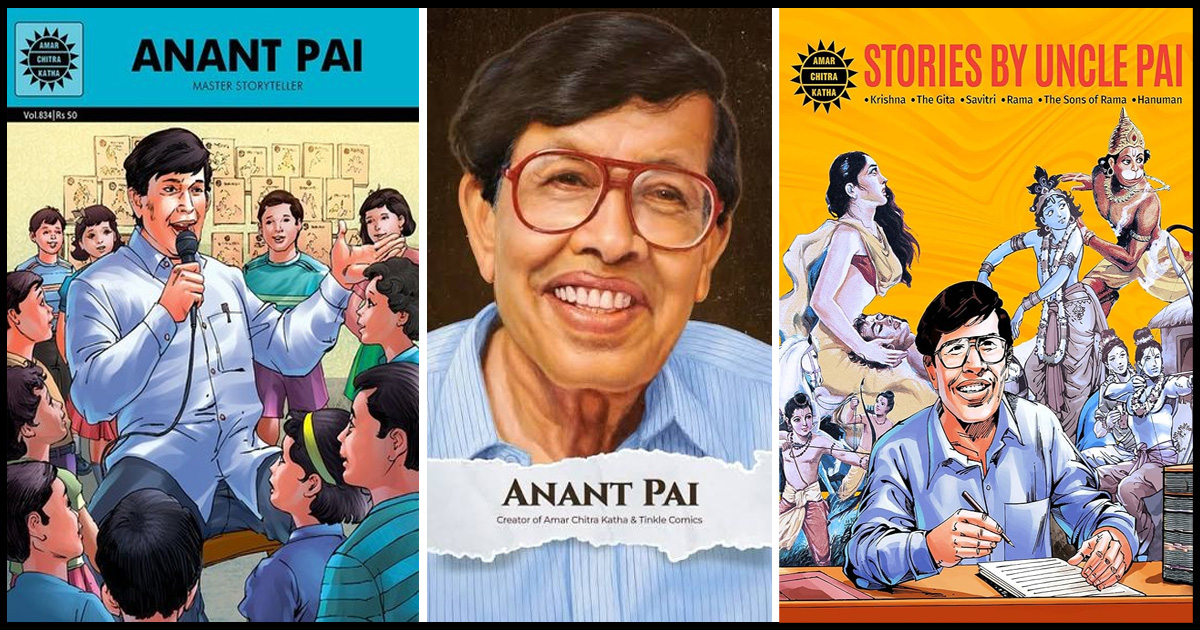
Anant Pai & his comics | This image is AI-generated
Today, many youngsters may not recognize the name Anant Pai. But for those who grew up in the 1970s, 1980s, and early 1990s, he was simply "Uncle Pai," the man whose comics introduced them to India's heroes and history. His journey of writing comics was not out of passion, but one of disappointment. In 1967, he was visiting a bookstore in New Delhi with his wife, where a television quiz caught his attention. He witnessed students from St. Stephen's College confidently answer questions on Greek and Roman mythology with ease, effortlessly naming Zeus, Athena, and the gods of Mount Olympus. However, when the question came, "Who was the mother of Lord Rama?", silence filled the studio. None of the students could answer. The silence in that studio echoed in his mind. He was disappointed. It was a shame that the youth of an entire generation of Indian children was growing up knowing the legends of Western civilizations while remaining strangers to the stories of their own land. Anant Pai | Image Source: Live History India
That night, Anant Pai made a promise to himself: If children would not go to Indian stories, Indian stories would go to the children. He began exploring the idea of using comic books to teach Indian values and themes. With that vision, he approached H.G. Mirchandani, the publishing director of India Book House (IBH). Impressed by the proposal, Mirchandani appointed Pai as the editor of a new comic series, which he named Amar Chitra Katha. His dream was simple: “ Bharat ke bachche agar sapne dekhein to Bharat ke sapne dekhein.”
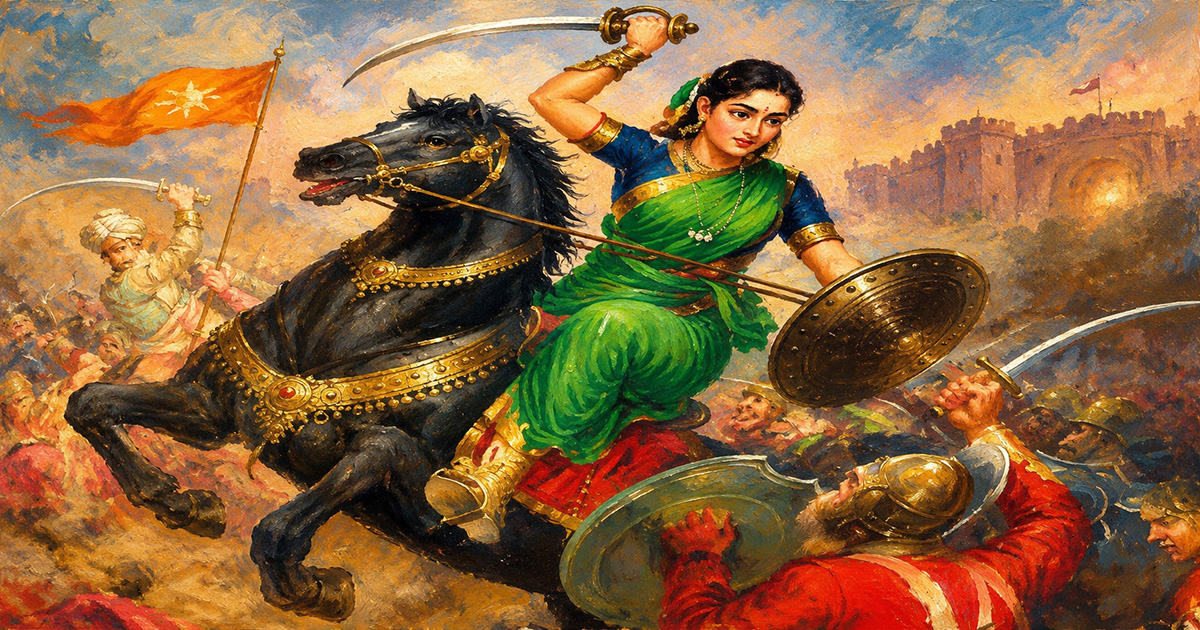
In 1969, the first Amar Chitra Katha comic, Krishna, was published. At a time when children's bookshelves were dominated by Western comic heroes like Tarzan, Superman and The Phantom, it struggled to find space. Most parents dismissed comics as nothing more than entertainment. Refusing to give up, Uncle Pai bypassed conventional bookshops and took the comics directly to schools and railway station bookstalls, where children could easily discover them. Once a few children started reading them, a massive shift occurred. Children went from playing "Tarzan" to "Krishna," which eventually pushed Krishna comics to sell over 15 million copies. It became a doorway. For countless children, it was their very first meeting with Krishna, not through Sanskrit verses or scriptures, but through stories they could understand, remember, and love. Soon, Amar Chitra Katha carried the stories of Rama, Hanuman, Shakuntala, Birbal, Shivaji, Rani Lakshmibai, Chanakya and countless others into homes, classrooms and libraries across India. The journey, however, was not without setbacks. In 1994, a devastating fire destroyed nearly two decades of artwork and archives at the Amar Chitra Katha office. Instead of giving up, Uncle Pai treated the tragedy as a challenge. With determination, he recreated lost work, ensuring that the stories continued to reach future generations. Anant Pai, also called "Uncle Pai" | Image Source: The Verandah Club
He had made Indian children fall in love with their own stories again. Long before the internet, smartphones, and streaming platforms, he ensured that millions of Indian children grew up knowing the heroes of their own civilization. Slowly, Indian legends reclaimed their place in young imaginations. They returned not only to children's bookshelves but also to family conversations, classrooms, and bedtime stories. That is why millions of children in India remembered him, "Uncle Pai." Because in giving India its stories back, he became a part of India's childhood forever.