When Hyderabad's Nizam Knelt Before Marathas 153 Years Before Operation Polo

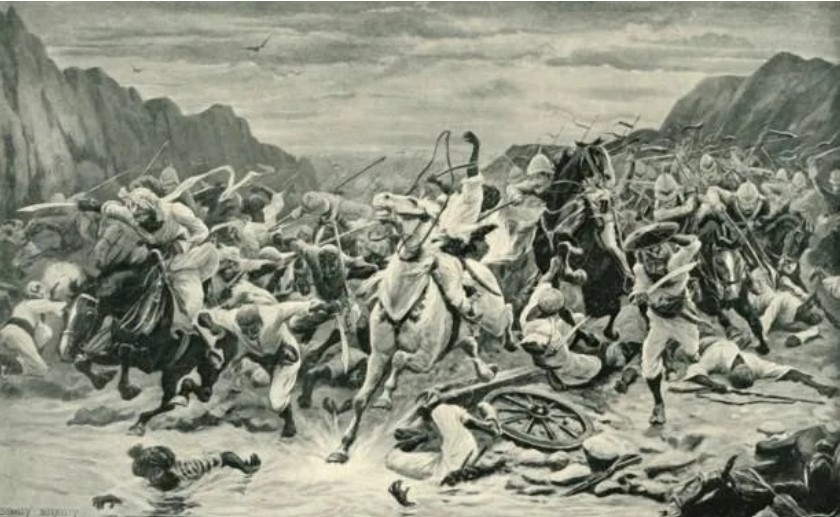
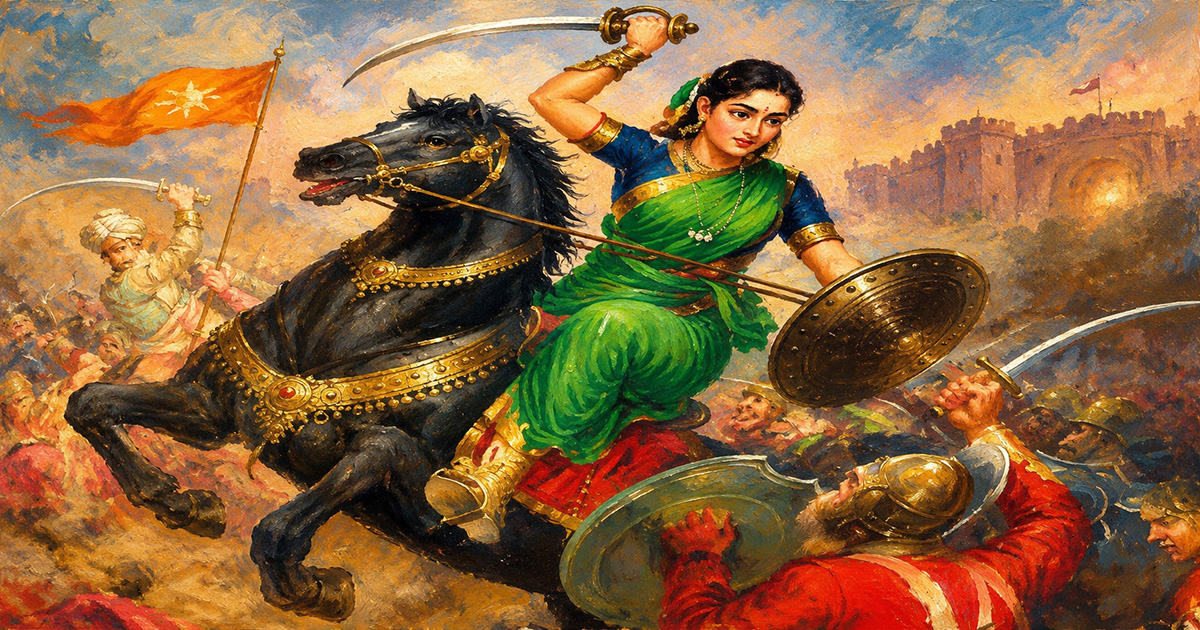
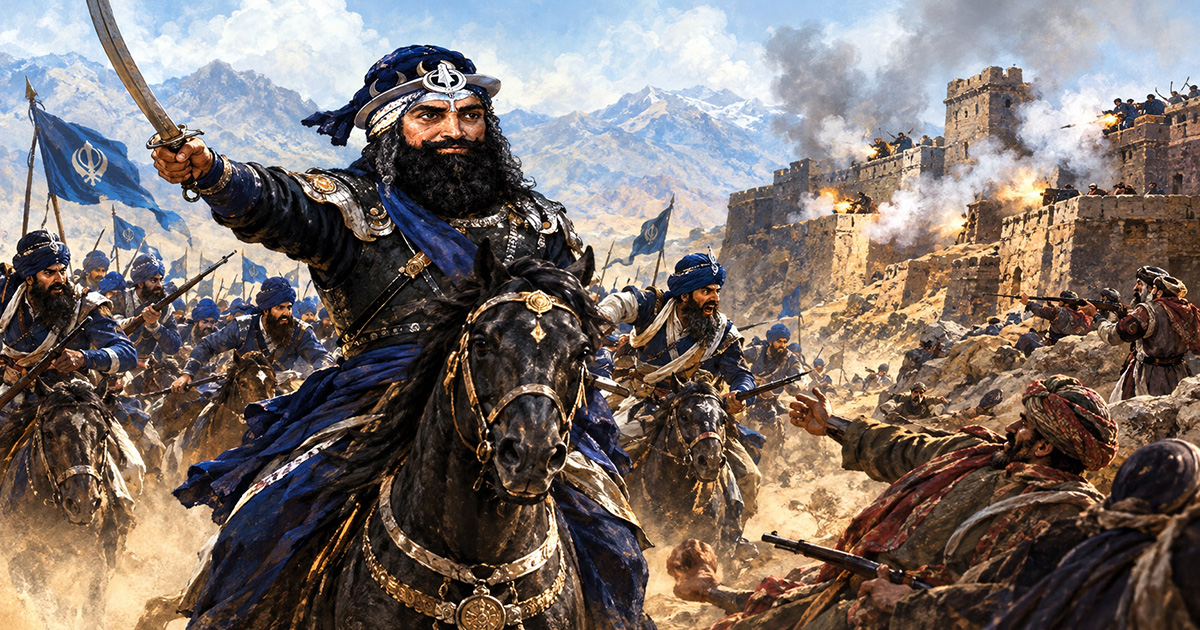
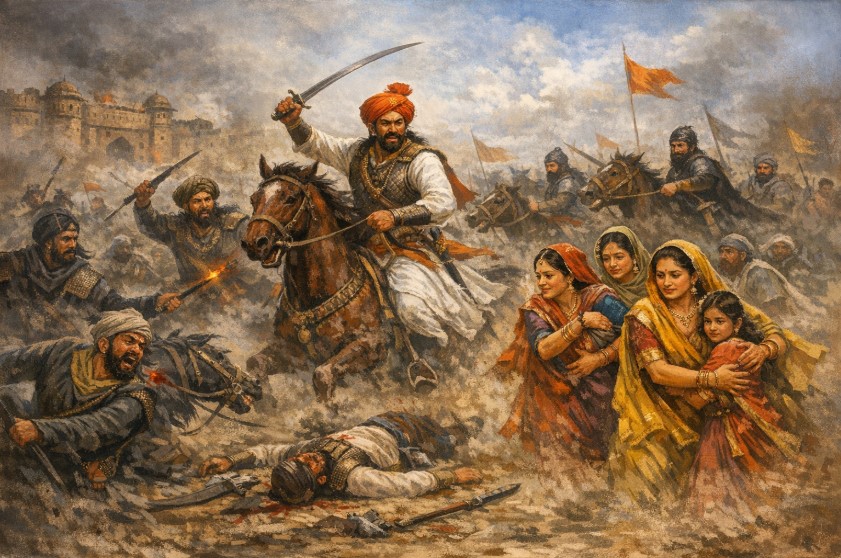
Battle of Kharda | Image Source: Facebook/@ShanknaadRSS
Did you know that nearly 153 years before Operation Polo in 1948, conducted by the Indian Army, the Marathas had already brought the Nizam of Hyderabad to his knees? In the Battle of Kharda in 1795 between the Marathas and the Nizam's army, the Nizam suffered a humiliating defeat. The Battle of Kharda is an event often overshadowed by grander conflicts, yet its outcome was decisive and far-reaching for India. This wasn't just a clash of swords and cannons; it was a battle against the Nizam's arrogance, after which even the British felt the weight of Maratha power. Why did the Nizam risk confronting the Marathas?
Roots of the Conflict
The seeds of the Battle of Kharda trace back to when Maratha and Hyderabad Nizam forces fought together against Tipu Sultan of Mysore, after which the Nizam promised chauth and sardeshmukhi taxes to the Marathas. But this treaty proved short-lived. Mir Nizam Ali Khan (Asaf Jah II) stopped paying the taxes. In 1791, the Maratha Empire, under Nana Phadnavis's leadership, sent two envoys—Govindrao Pingale and Govindrao Kale—to the Nizam's court to resolve the tax dispute through talks. Yet, as negotiations began, the Nizam countered by claiming the Marathas owed him 2.5 lakh rupees and sought mediation from British East India Company officials.
Talks dragged on for two years over the tax issue. Meanwhile, the Nizam expanded his army from 2 battalions to 23. This alarmed the Marathas. Negotiations continued until 1794, but by then, Marathas realized war was inevitable. Strategically, the Nizam had bided his time to build strength: 45,000 infantry and as many cavalry trained by French officers, backed by around 100 cannons. He even had support from the British East India Company. Buoyed by this might, the arrogant Nizam challenged the Marathas to war.
Maratha Unity and Pursuit
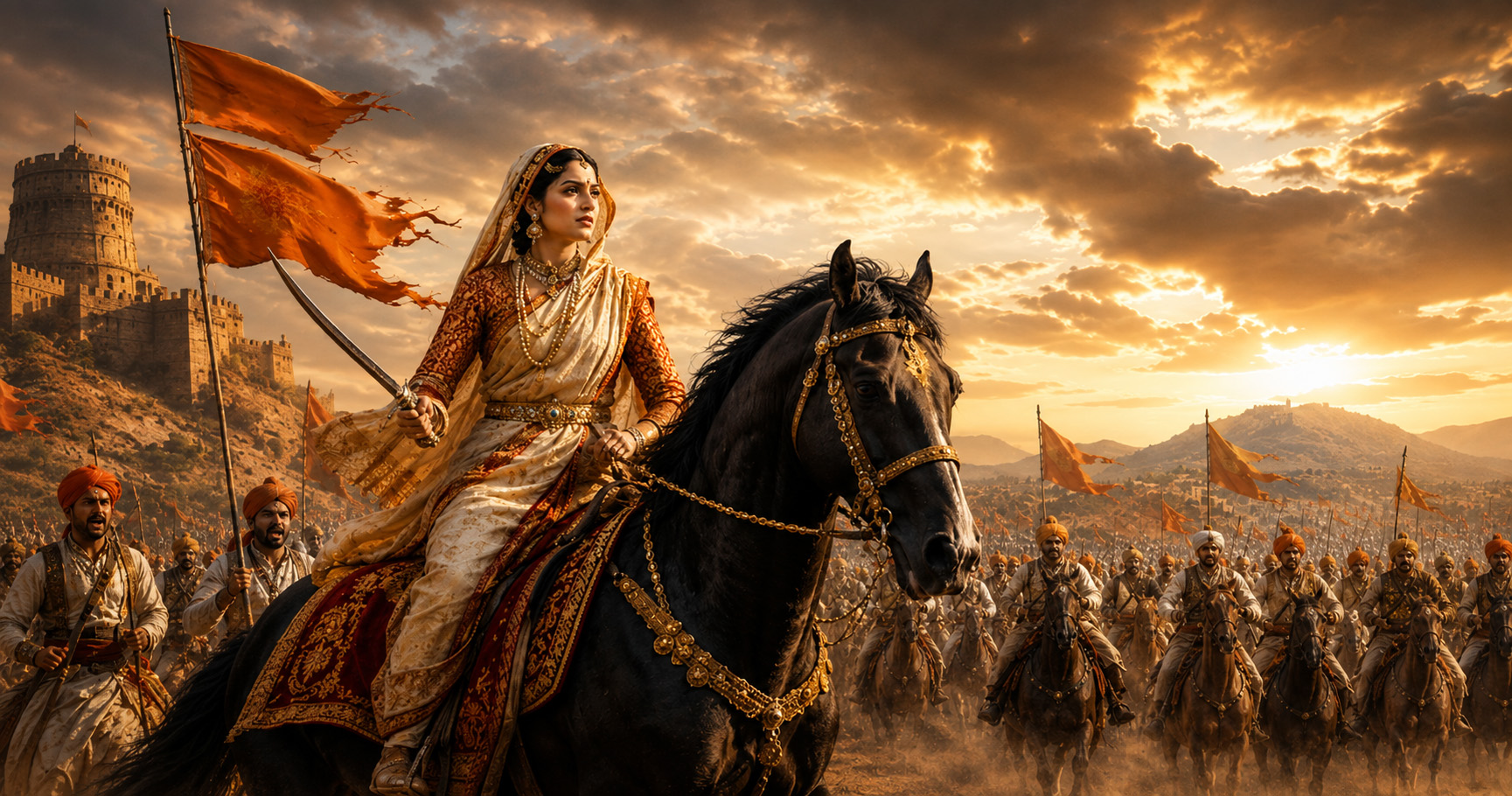
The Marathas knew the Nizam was merely playacting negotiations with war as his true aim. Thus, under Peshwa Sawai Madhavrao and Nana Phadnavis, the entire Maratha confederacy united. Shinde, Holkar, Gaikwad, and Bhonsle sardars rallied under the saffron banner. When the Nizam's army marched from Bidar in Deccan in January 1795, the Marathas pursued and began encircling them at Kharda's plains. Finally, on March 11, 1795, a fierce battle erupted between the two armies. Intense fighting raged all day, with Marathas holding the upper hand, but both sides withdrew at night.byjus+2
Nighttime Guerrilla Strike
Marathas had a different plan. After daytime clashes, as night fell and the Nizam's army grew complacent, Marathas launched a sudden guerrilla assault. Thousands of Nizam's soldiers were slain; survivors fled. Despite superior numbers and heavy artillery, the Nizam's forces crumbled before the Marathas. The Nizam, with remnants, hid in Kharda Fort. He sought aid from British Governor-General Sir John Shore, who had earlier assured support but now refused, awed by Maratha might. Without British help, the Nizam cowered in the fort for 17 days as Marathas besieged it. He realized surrender was his only option.leverageedu+2
Humiliating Surrender
Ultimately, Nizam Mir Nizam Ali Khan's arrogance was shattered. He sent a dagger and seal to the Marathas signaling a treaty. The Treaty of Kharda proved deeply humiliating: he paid 3 crore rupees in indemnity and ceded Daulatabad, Aurangabad, and Solapur regions. This victory expanded saffron dominance in the Deccan. The Battle of Kharda endures in history as an immortal saga of Maratha courage, unity, and strategic brilliance.
.jpg)