Battle of Sirhind: When Afghans Abducted Women and Pilgrims, How Did the Marathas Respond?

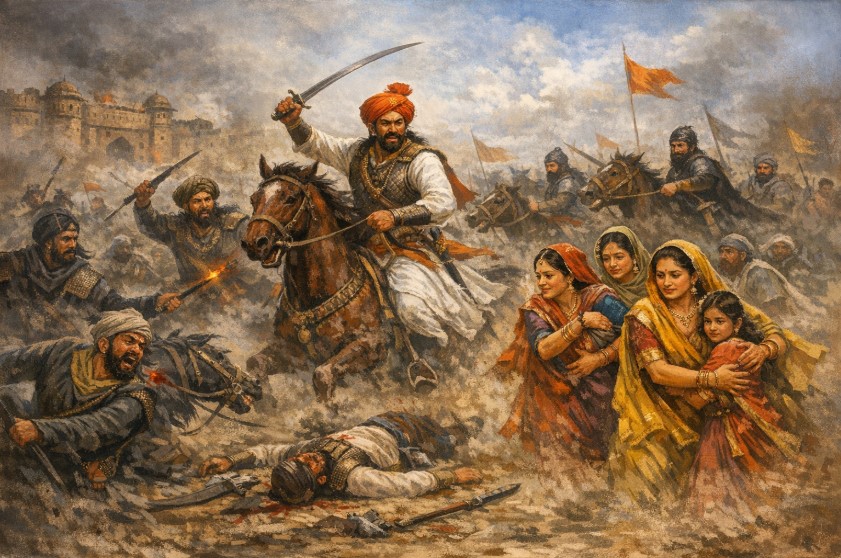
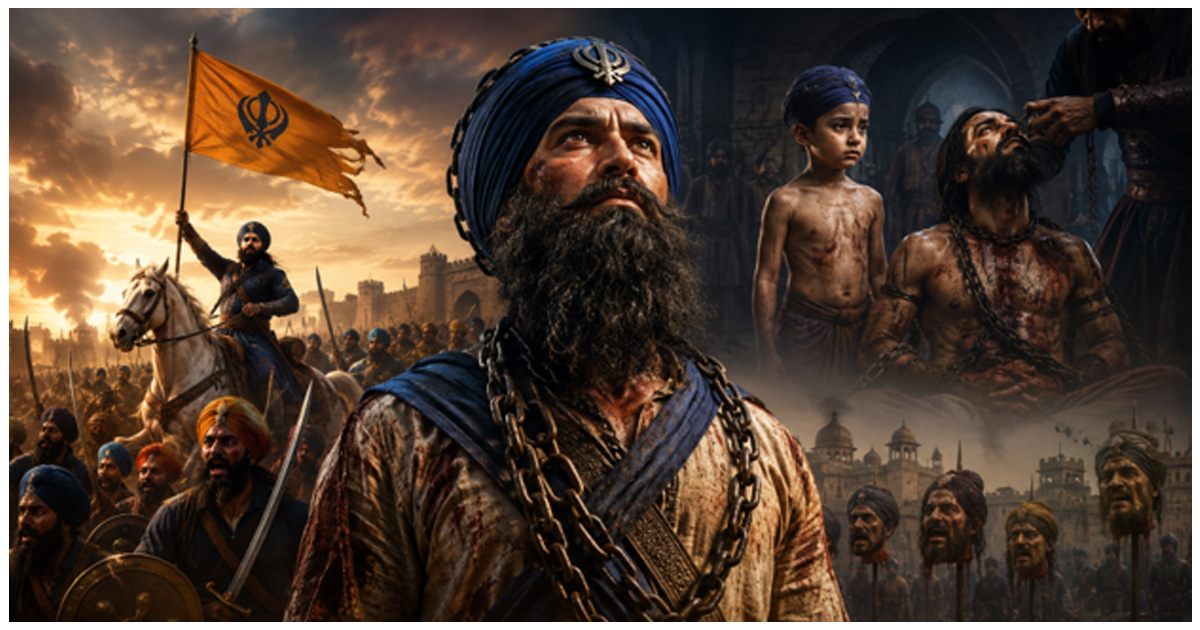
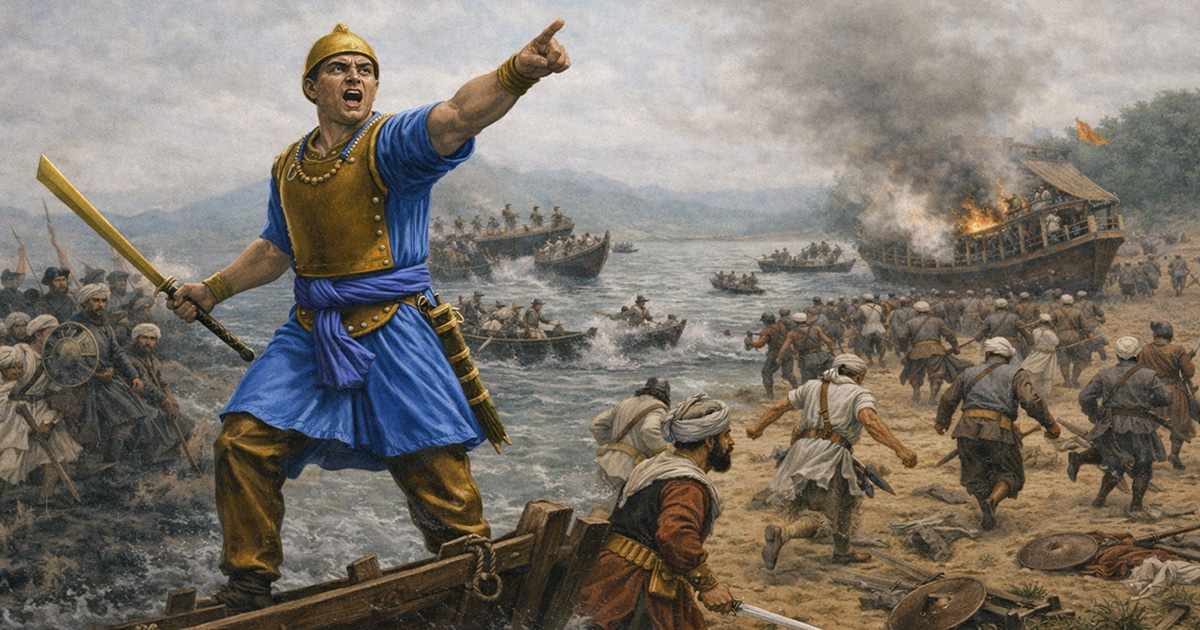
This image is AI-generated
In 1758, as the Maratha army marched toward Punjab for the battle of Sirhind, Afghan commander Abdus Samad Khan had the women of Malharrao Holkar's family and pilgrims taken captive, but Maratha guards heroically rescued them. This tale of valor occurred just before the Siege of Sirhind, a lesser-known story in Maratha history. Let's explore how it all unfolded and how Maratha soldiers delivered a thunderous response.
The Incident Unfolds
Everything began in the cold month of January 1758. North India was gripped by a power vacuum due to the weakening Mughal Empire, with Ahmad Shah Abdali's Afghan invasions destabilizing Punjab. The Maratha Empire was at its peak, and under the leadership of Raghunathrao and Malharrao Holkar, their army had conquered Delhi and was now advancing into Punjab. Holkar's forces included family members, women, and pilgrims. On January 9, the sacred day of Somvati Amavasya, a fair was held at Kurukshetra, where these pilgrims had come to bathe. Among the women were daughters-in-law and daughters of the Holkar family, engaged in religious rituals.
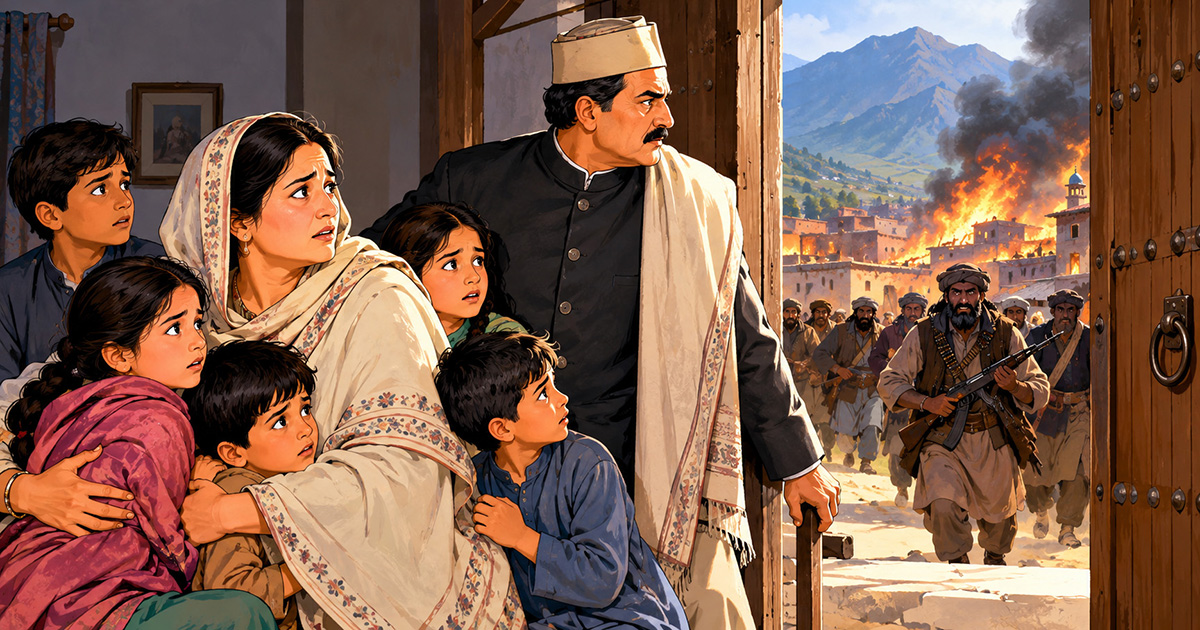
Meanwhile, Sirhind's Afghan governor, Abdus Samad Khan, was fully alert. Knowing the Marathas' arrival posed a threat, he fortified Sirhind's defenses and devised a daring plan. A detachment of his soldiers launched a sudden raid on Holkar's convoy near Shahabad. They encircled the group of women and pilgrims separated from the main army. Afghan horsemen captured several women and took them to Shahabad. This attack was not just military but a direct assault on the women's honor, considered reprehensible even by 18th-century rules of warfare.
Maratha Swift Response
News reached Malharrao Holkar, spreading stunned silence through the army. Holkar was a disciplined commander, but this was a personal affront—his family women were in Afghan clutches. Yet, Maratha readiness shone through. Holkar's armed guards, stationed to protect the convoy, sprang into action. These were elite warriors from the Maratha cavalry—swift, skilled, and utterly loyal. Despite being cut off from the main force, they didn't falter and prepared a counterstrike.
The Daring Rescue
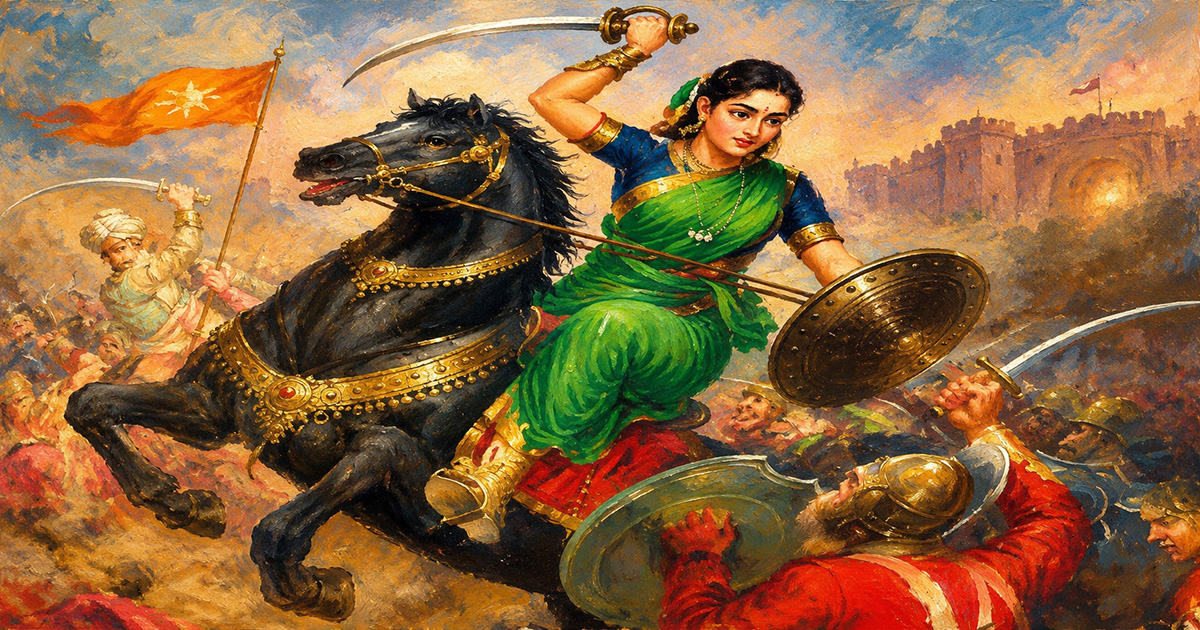
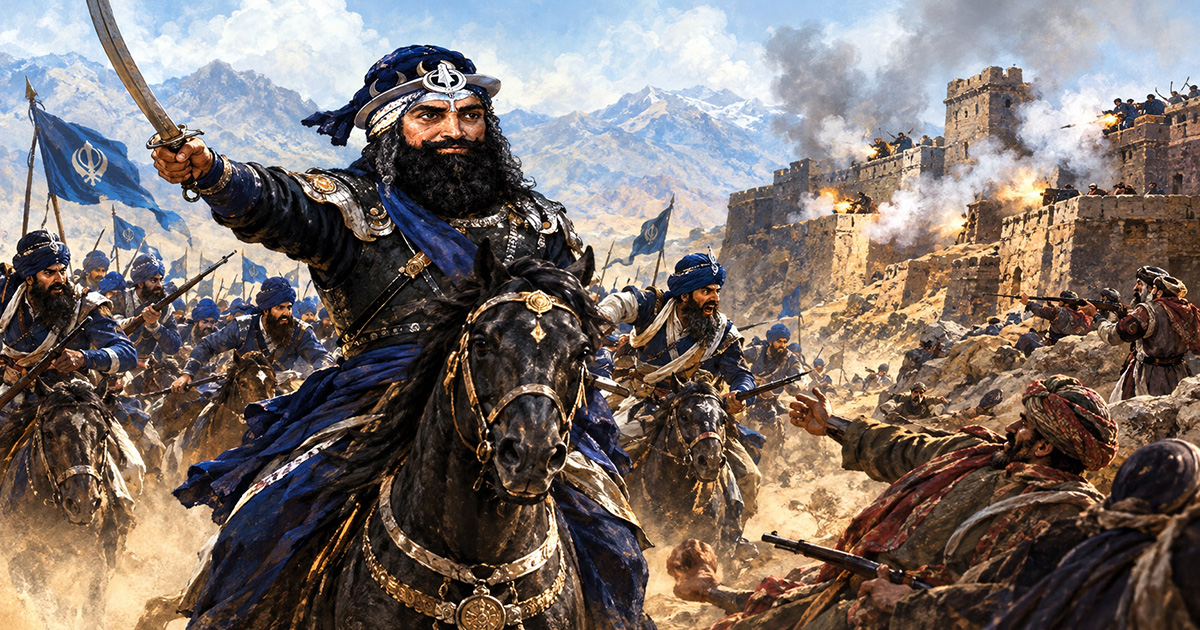
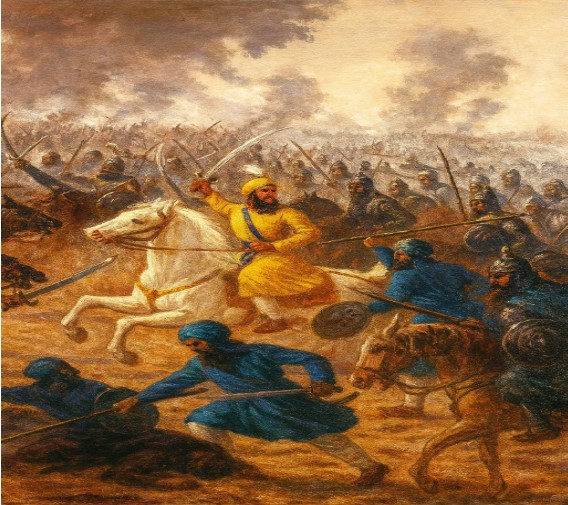
Leveraging the cover of night, Maratha guards surrounded the Afghan detachment from all sides. Their famed light cavalry's speed and cunning came into full play. They first unleashed a volley of arrows from afar, startling the Afghan horses and scattering their ranks. Then, employing their signature guerrilla tactics, Maratha warriors charged: advancing swiftly for close combat, striking with swords, then retreating to strike again. The Afghans, reliant on heavy armor and long swords, were helpless against this rapid, ever-shifting strategy. Marathas targeted the horses' legs, unhorsing riders and finishing them in fierce melee with spears and swords. Dust clouds rose, sword clashes and cries echoed across the field. In moments, the Afghan unit broke and fled.

Battle of Sirhind | This image is AI-generated
Triumphant Outcome
The climax arrived thrillingly: the captive women and pilgrims were safely freed and escorted to Holkar's main camp. The Afghans suffered heavy losses - many killed, horses seized. This lightning-fast rescue turned Abdus Samad Khan's scheme on its head.
Lasting Legacy
Though overshadowed in main battle narratives, this event holds immense significance. It boosted Maratha morale ahead of the Siege of Sirhind and foreshadowed their dominance. This story teaches that behind history's grand battles lie small acts of heroism that exemplify honor, bravery, and humanity. In today's context, it reminds us that challenges—be they battlefields or life's struggles—can be overcome with alertness and unity.
.jpg)