Battle of Chatra 1857: How Jaimangal Pandey Turned Against the British & Fought Them?
For the British, the town was important not simply because of Chatra, but because of its position along the routes linking Chota Nagpur with Bihar and the wider northern Indian theatre of the rebellion.

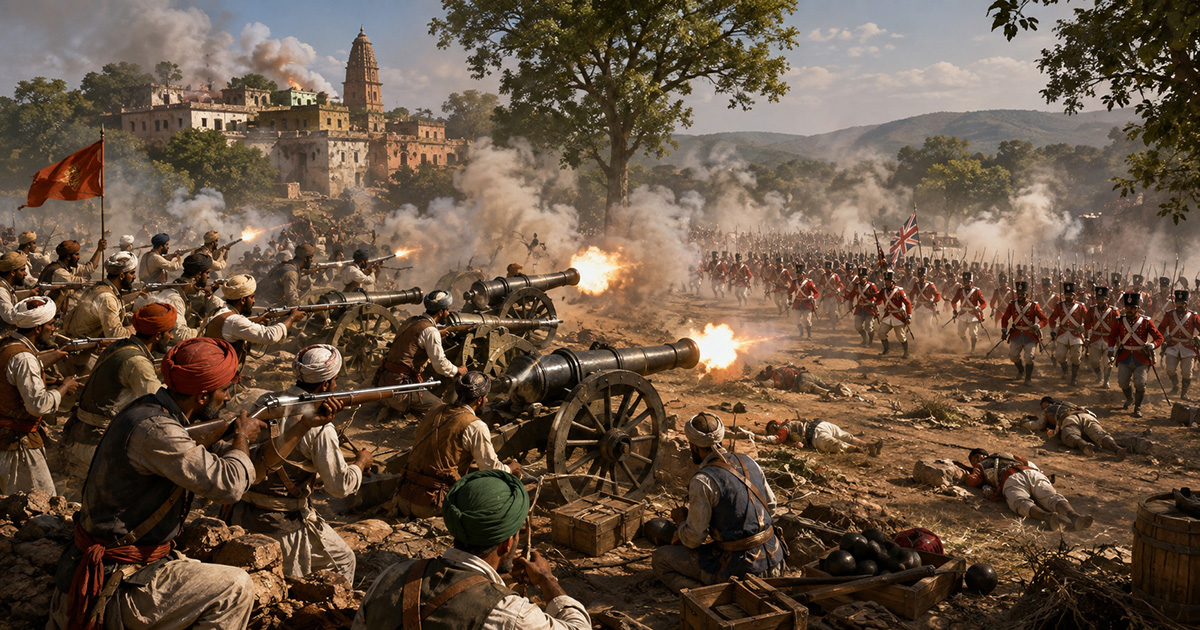
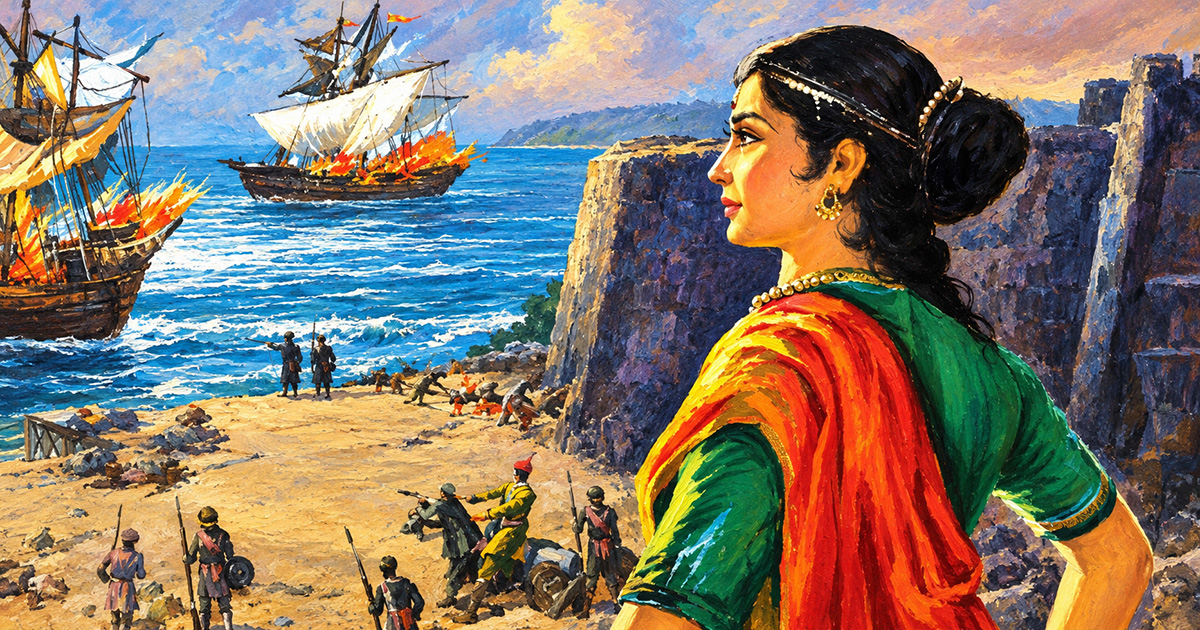
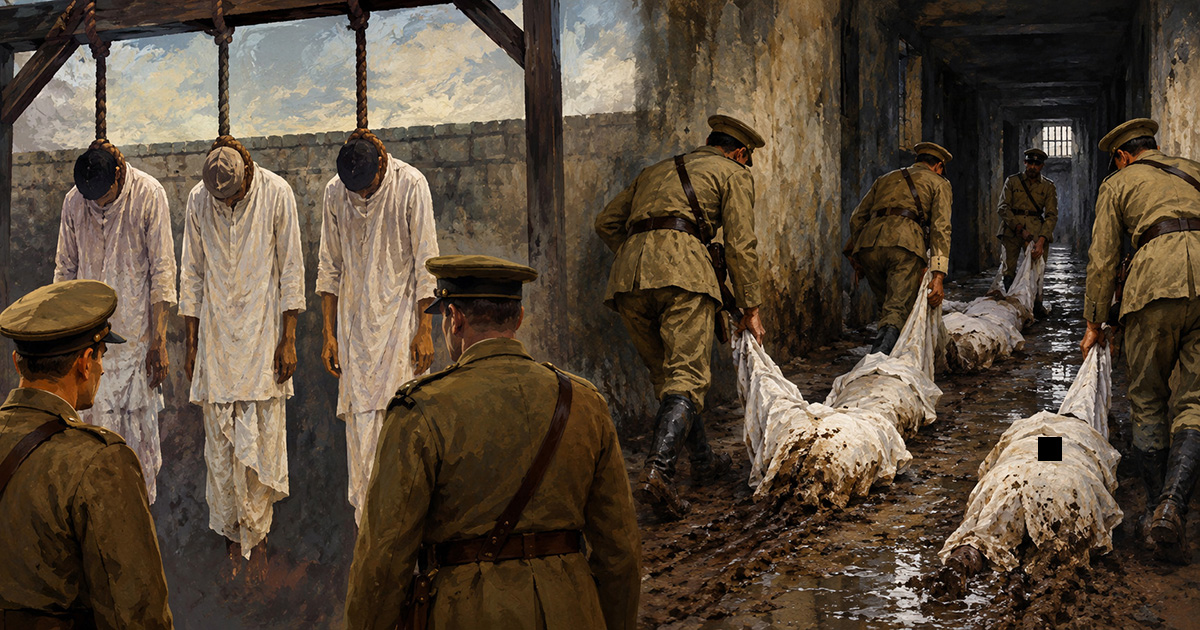
Battle of Chatra | This image is AI-generated
During the year 1857, the great revolt against British rule reached Chota Nagar and turned the region into another front of resistance against the British. The revolt soon reached Chatra, a strategically located town in present-day Jharkhand's Chatra district, in the northern part of the Chota Nagpur Plateau. Its position connected the Chota Nagpur region with the plains of Bihar and the wider areas where the uprising against the East India Company was spreading. As Indian soldiers and local supporters in the region began turning against Company authority, Chatra emerged as an important centre of resistance and would soon become the site of a major confrontation. For the British, the town was important not simply because of Chatra, but because of its position along the routes linking Chota Nagpur with Bihar and the wider northern Indian theatre of the rebellion. Preventing the rebels from consolidating their position there was therefore essential to containing the uprising and stopping the resistance from developing into a broader, coordinated challenge to Company rule.
Jaimangal Pandey | Image Source: Vikaspedia
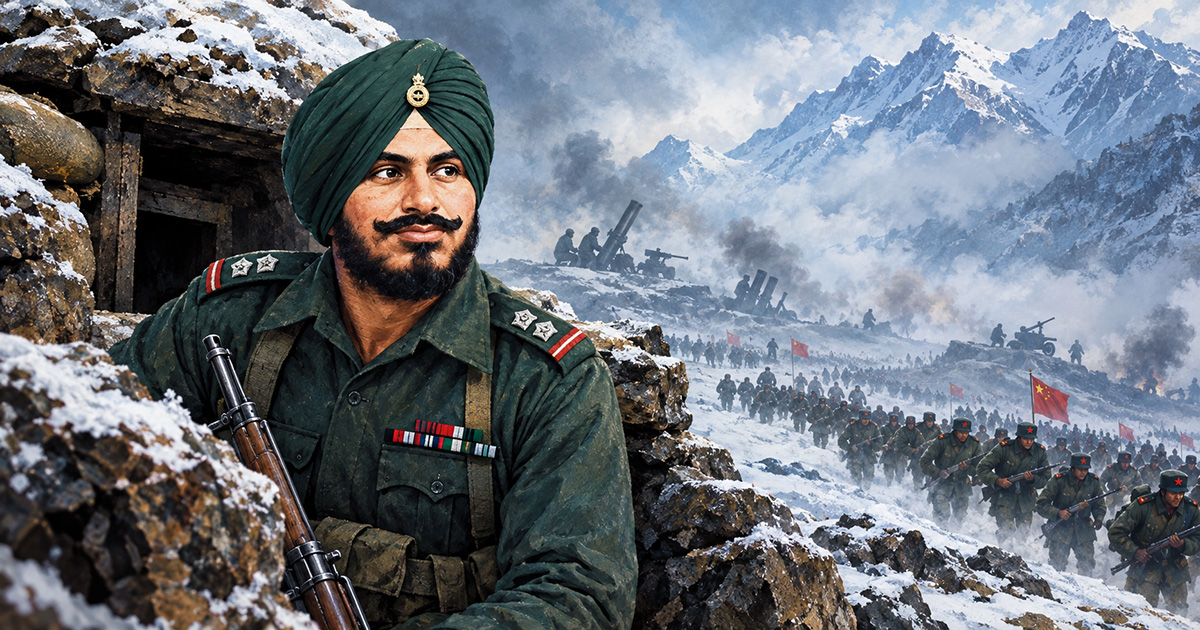
By late September 1857, the sepoy mutineers had already marched from Doranda (in present-day Ranchi, Jharkhand) and fortified themselves in Chatra. They carried muskets, ammunition, and four heavy cannons, ready to defend their new stronghold. On October 2nd, 1857, the British troops finally advanced on Chatra. As the Company's forces closed in, the rebels opened fire. The reverberations of Chatra’s cannon deafened the landscape, and soon enough, musket fire followed. The Battle of Chatra had commenced.
Jaimangal Pandey was not an inexperienced soldier facing the war for the first time. For years, he had served the Company as a soldier, which gave him the knowledge of weapons, discipline, and military command. But this time he turned that experience against the East Indian Company itself. At Chatra, his military knowledge was now being used in the 1857 Indian rebellion. As trained, former regular soldiers of the East India Company, his native infantrymen used conventional military formations rather than pure guerrilla warfare. Pandey occupied the strategic town of Chatra to secure it as a transit hub before moving north to merge with the rest of the forces. He deployed his strong rebel force along the outskirts, leveraging the surrounding rice fields and local structures to set up a defensive perimeter.
The fighting began when British advanced scouts intercepted the rebel main body. Pandey ordered an immediate skirmish response, engaging the British directly in the open rice fields. The rebels utilized disciplined volleys of musketry to inflict early, heavy casualties on the approaching Company vanguard. Meanwhile, the British forces exploited heavy tree cover on the town's outskirts to conceal their movements. They launched a coordinated assault from all flanks, bypassing Pandey's frontal defense lines.
The four cannons were the main weapon of the sepoy mutineers, the firepower of which was used to good effect against the advancing Company troops. In addition to cannon fire, the mutineers also used muskets to combat the Company. The Company soldiers had perceived that the rebels had given “obstinate resistance” and were determined to hold Chatra. Despite the heavy fire, the Company troops managed to advance, overpower the rebels, and capture all four cannons along with their gunpowder and ammunition. Outmaneuvered by the multi-flank assault, the revolutionary lines broke near the Phansi Hari Talab area after an hour of intense, concentrated combat.
According to the official records, around 150 revolutionary soldiers were killed, and 77 were wounded. On the Company’s side, 56 soldiers were killed; the casualties were heavy, considering that the battle had been fought for barely an hour. 
For Jaimangal Pandey, the battle was over, but his struggle continued. He escaped from the battlefield after the mutineers' position was overwhelmed. The company authorities immediately began searching for the leaders of the rebellion. Pandey was one of the men they wanted to capture, who had joined and helped to lead the uprising. On October 3rd, 1857, the day after the battle of Chatra got over, Pandey was arrested and brought before the company authorities.
On October 4th, 1857, Jaimangal Pandey received the death sentence under the Act XVII of 1857. He was taken to Harjivan Talab in Chatra (also known as Phansi Talab), where he and his fellow counterpart Nadir Ali were hanged from a mango tree. The guns of Chatra had fallen silent, and the rebellion had suffered a heavy blow. But Jaimangal Pandey did not return to the Company he had once served. He had turned against British rule, stood with the uprising at Chatra, and accepted the consequences of that choice.