Subedar Joginder Singh: The Param Vir Chakra Hero Who Stood Against 600 Chinese Soldiers
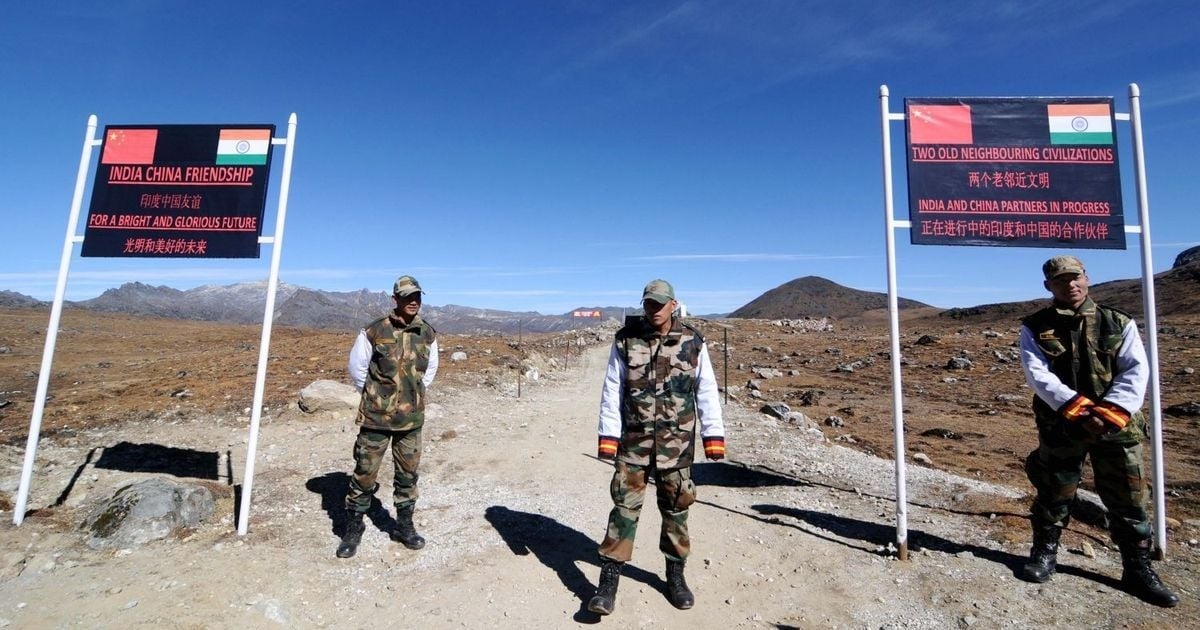
Bum La was no ordinary mountain pass; it was the shield protecting Tawang in Arunachal Pradesh. If it fell, the road to Tawang and further into India's northeast would lie dangerously exposed.

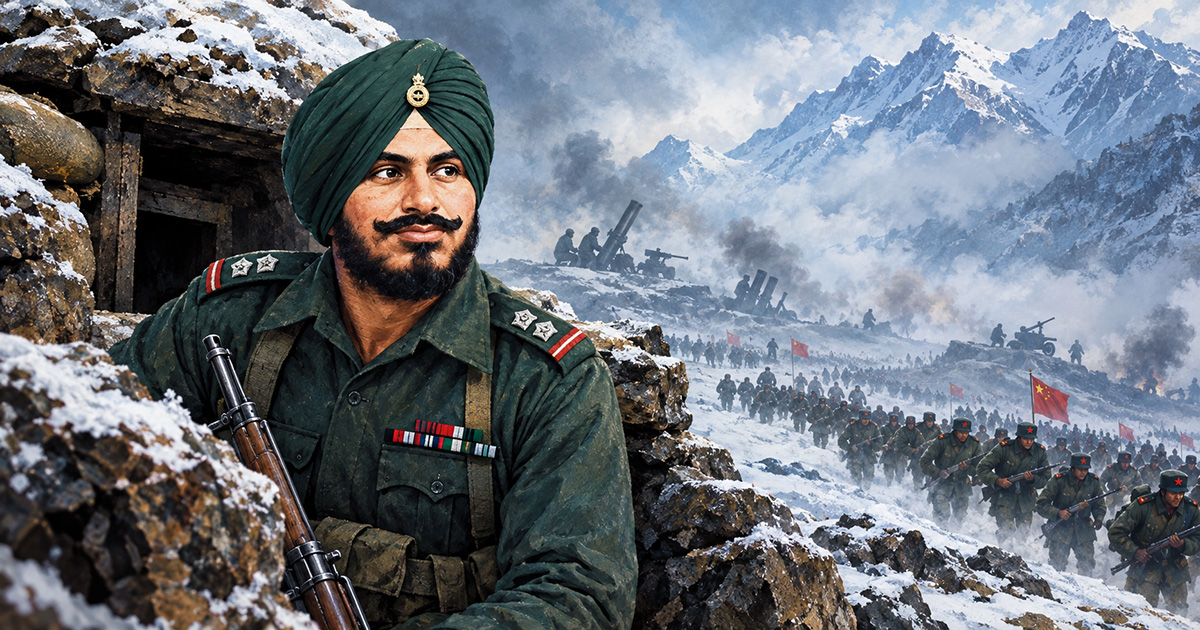
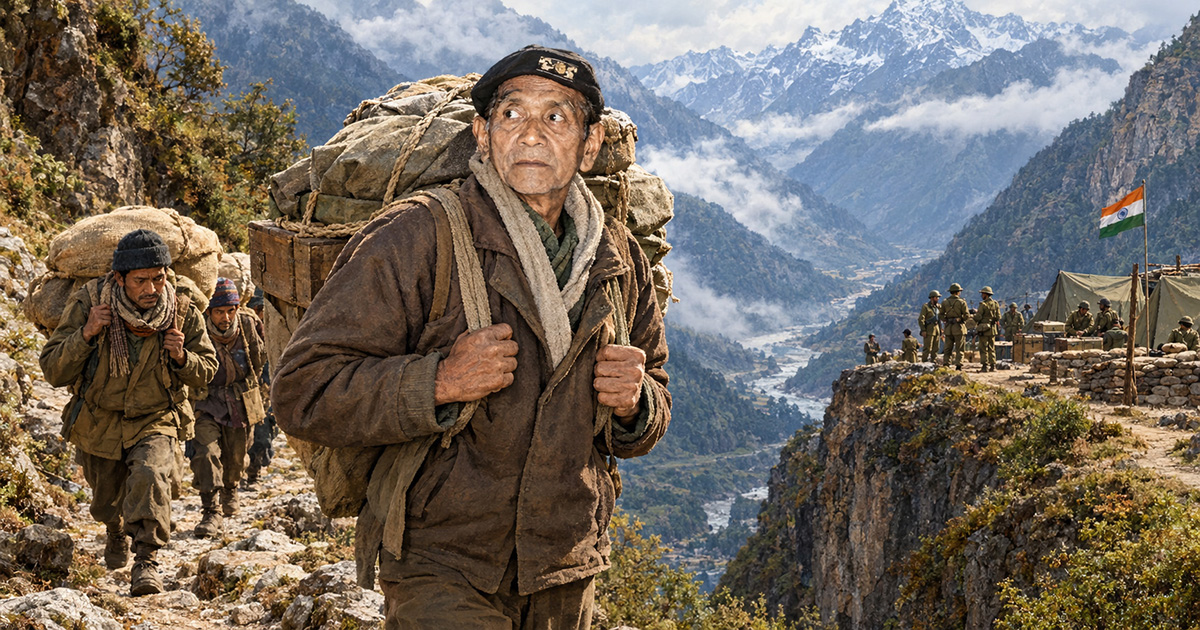
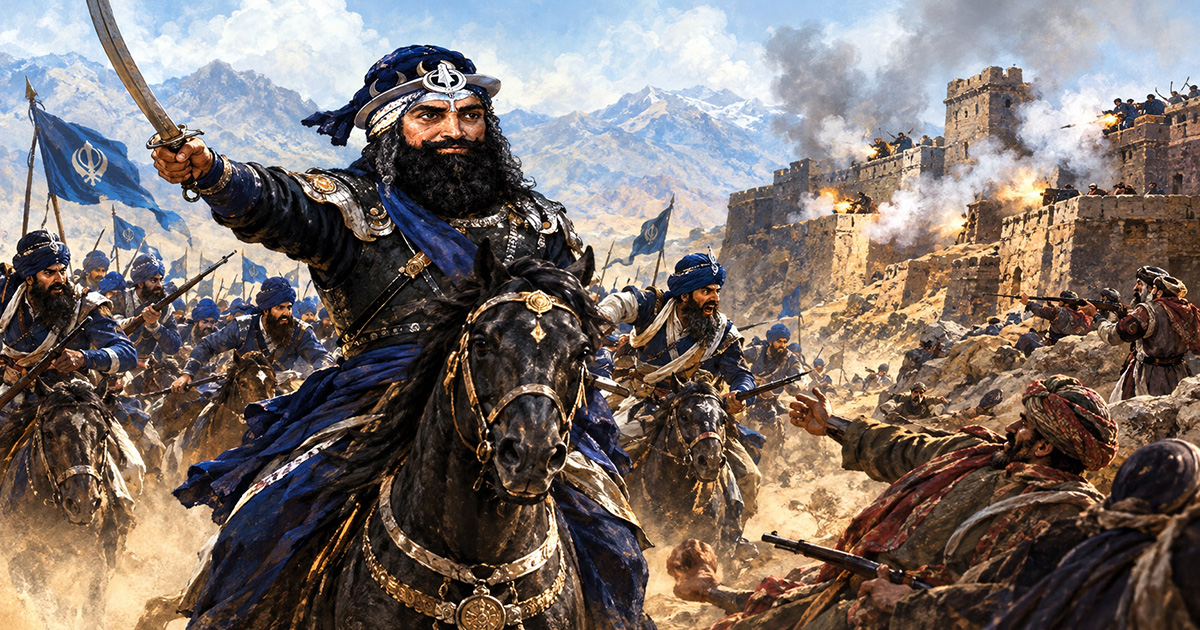
Subedar Joginder Singh | This image is AI-generated
It was 5:30 a.m. on the freezing morning of 23 October 1962. At the Indian post overlooking the Bum La Pass, soldiers of the 1st Battalion, Sikh Regiment huddled around the camp kitchen for a cup of hot tea to fight the biting Himalayan cold. At an altitude of about 15,200 feet, the temperature can plunge to around –10°C, making every breath icy and movement a struggle. Bum La was no ordinary mountain pass; it was the shield protecting Tawang in Arunachal Pradesh. If it fell, the road to Tawang and further into India's northeast would lie dangerously exposed. Suddenly, the silence was broken.
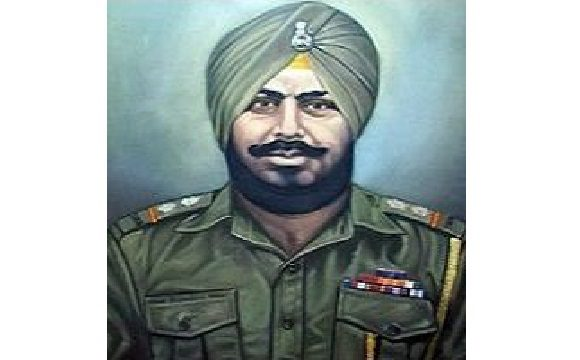
Subedar Joginder Singh | Image Source: Honorpoint
"Subedar Sahib... there are too many of them!" A young Sikh sentry, his voice trembling, pointed across the McMahon Line. Subedar Joginder Singh immediately stepped out of his bunker and looked through the freezing Himalayan mist. What he saw sent a chill through the entire post. Endless rows of Chinese soldiers were emerging from the mountains, backed by heavy artillery, mortars, and machine guns. Moments later, Chinese guns opened fire, shaking the mountains with deafening explosions. As the shelling eased, nearly 200 Chinese soldiers emerged from the smoke and began climbing towards the Indian post. Inside the trenches stood Subedar Joginder Singh and just 20–23 soldiers; he instructed them to hold their fire until the enemy came within effective range.
The Chinese climbed higher, convinced the bombardment had already destroyed the Indian defences. Then Joginder Singh gave the order to fire. The narrow mountain ridge instantly became a deadly killing ground. Chinese soldiers fell one after another, caught completely off guard by the fierce resistance; the attackers suffered heavy casualties and were forced to retreat. But the victory lasted only minutes.
Chinese forces regrouped and launched another wave of nearly 200 soldiers. Shells exploded around the Indian trenches, showering them with rocks and shrapnel. During the bombardment, Subedar Joginder Singh was hit in the thigh. Blood soaked his uniform as his men pleaded with him to withdraw for treatment. He refused, and instead, the wounded Subedar crawled from one trench to another, redistributing ammunition, encouraging exhausted soldiers, and reminding them that the pass behind them had to be held at any cost. The Chinese launched a third assault. Another wave surged uphill under relentless artillery fire. By now, the Indian defenders faced a nightmare; their ammunition was almost exhausted.
Subedar Joginder Singh crawled to the Light Machine Gun and continued firing until the weapon fell silent. Every burst slowed the advancing enemy, buying a few more precious moments for his men. Then the ammunition ran out completely. He fixed a bayonet to his rifle and looked at the handful of soldiers still standing beside him. Shouting their iconic battle cry, "Bole So Nihal, Sat Sri Akal!" With that battle cry echoing across the snow-covered mountains, the remaining Sikhs leapt out of their trenches and charged straight into the advancing Chinese force. Bayonets flashed through the smoke. Rifle butts crashed against helmets. Knives were drawn as the battle descended into brutal hand-to-hand combat. Though hopelessly outnumbered, the Sikh soldiers fought with extraordinary courage, inflicting heavy losses before they were finally overwhelmed. Severely wounded, Subedar Joginder Singh was captured as a prisoner of war in Chinese captivity. His display of ultimate bravery was so profoundly respected that even the Chinese forces returned his ashes with full military honours to his battalion.
For his unparalleled bravery, leadership of the highest order, and supreme sacrifice in the defence of the nation, Subedar Joginder Singh was posthumously awarded the "Param Vir Chakra", India’s highest wartime gallantry award. The Shipping Corporation of India has honoured this great man by naming one of the vessels by the name Subedar Joginder Singh PVC.