“Ye Dil Maange More”- Remembering Captain Vikram Batra, the Lionheart of Kargil

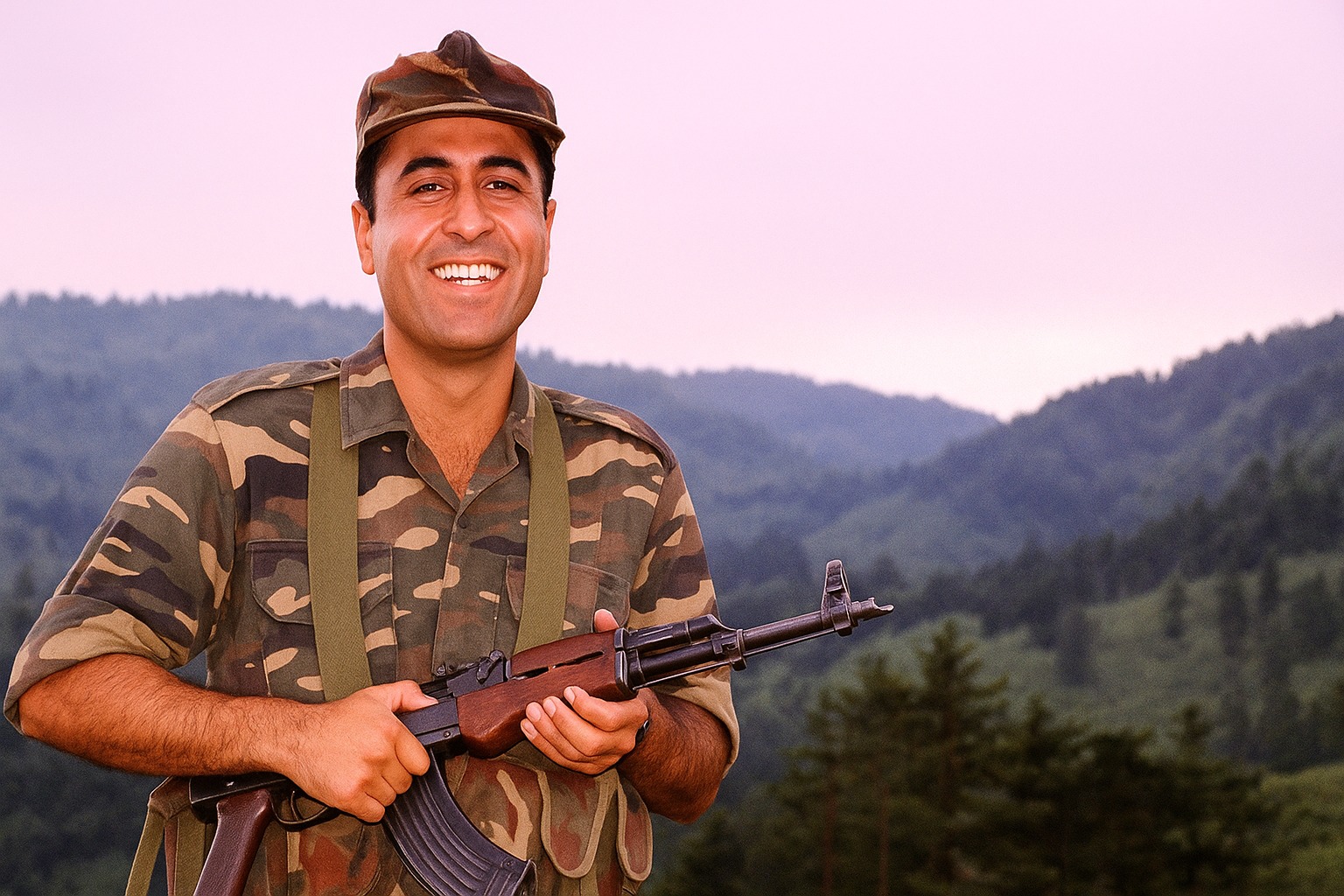
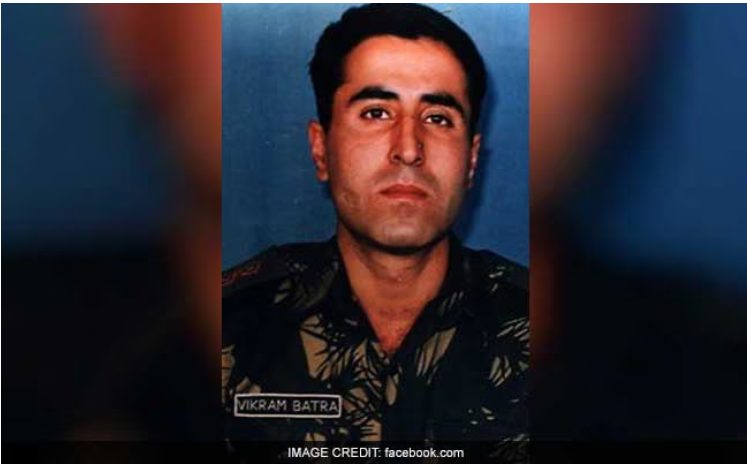
On 7 July 1999, in the midst of the thundering noise of bullets and the treacherous landscape of Dras, Captain Vikram Batra of the 13 Jammu and Kashmir Rifles laid down his life while saving a fallen friend. His last words,”Jai Mata Di” still resonate in the national conscience of a nation that continues to find strength from his undaunted spirit.
Today, as we solemnly honour Captain Batra’s supreme sacrifice—tributes poured in from across the country. Defence Minister Rajnath Singh led the nation in remembrance, writing on his official X account:
Remembering the ultimate sacrifice given by Captain Vikram Batra on his Balidan Diwas. His unparalleled courage and sacrifice in the Kargil War continue to be a shining example of gallantry in the cause of the nation. My tributes to him on his Balidan Diwas.
While paying heartfelt tributes to warhero, the Indian Army, recalled Captain Batra’s heroics during the 1999 Kargil War, where he displayed the “most conspicuous courage and valour” and made the ultimate sacrifice for the nation.
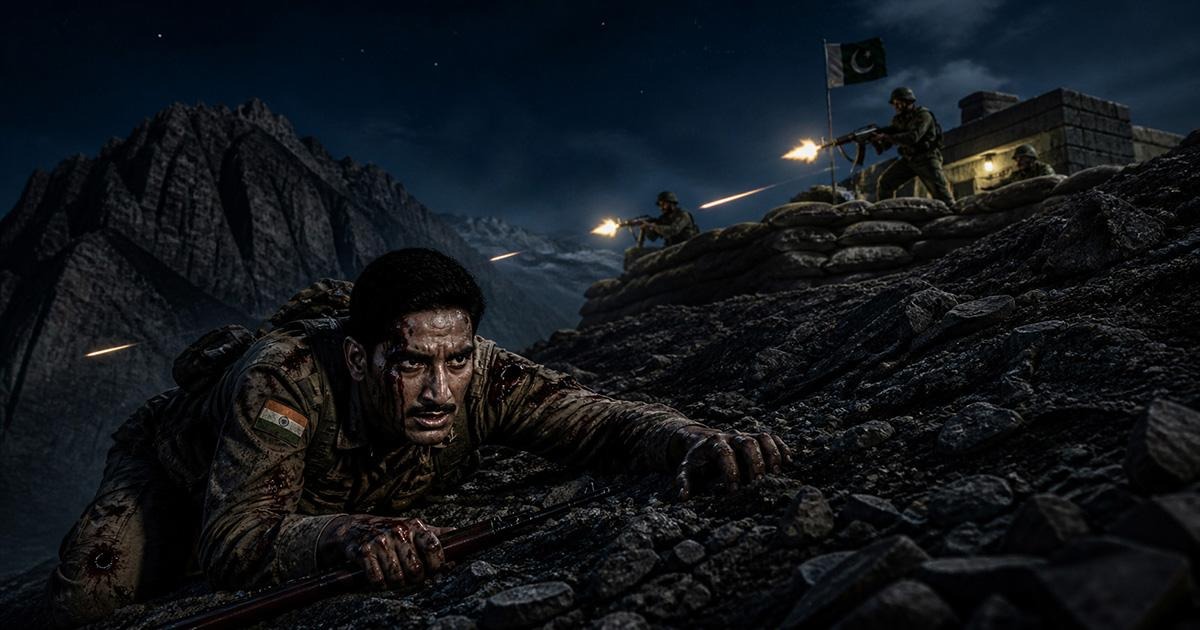
Captain Batra, who was only 24 years old then, was one of the most identifiable faces from the 1999 Kargil War, not only for his bravery, but also for his contagious energy and profound commitment to his troops. He had previously commanded the operation to retake Point 5140, a hostile high-altitude outpost, which was accomplished without any casualties. It was during this attack that he radioed back to base in immortal words: “Yeh Dil Maange More!”—a phrase that would come to represent the eternal spirit of the Indian soldier.
Subsequently, during the operation to recapture Point 4875, Captain Batra again led from the front, fighting enemy fighters with fierce hand-to-hand combat before being killed by enemy fire as he dragged a wounded soldier to safety. For his unmatched courage, he was posthumously given the Param Vir Chakra, India’s highest military award.
But July 7 was not defined by his sacrifice only. 17 Jat Regiment Captain Anuj Nayyar was martyred as well that day in the Pimple II complex near Tiger Hill. Showing equal determination, Nayyar eliminated several enemy bunkers before being killed in action, posthumously receiving the Maha Vir Chakra. In another theatre, Captain Jerry Prem Raj of the 158 Medium Regiment (Artillery) was firing artillery when he was killed by a mortar round.
Even at the time of his death, he kept on organizing artillery operations, for which he was awarded a Vir Chakra.
The Kargil War between May and July 1999 saw one of the most intense battles between Indian forces and Pakistani intruders in warfare in high altitudes. More than 500 Indian soldiers gave their lives fighting the war. But through bloodshed, sacrifice, and sheer willpower, India regained its strategic locations and won the war.
Twenty-five years on, Captain Vikram Batra’s tale is still the standard of unbridled bravery. His name continues to inspire military training exercises, patriotic remembrances, and cultural representations, such as the popular Bollywood movie “Shershaah”. His twin brother, Vishal Batra, still keeps Vikram’s tale alive, making sure that generations to come learn the cost of liberty. As the country lowers its head in memory of this Balidan Diwas, the Ministry of Defence also commences a new chapter in institutional growth. Defence Minister Rajnath Singh inaugurating the Controllers’ Conference 2025 at the Dr SK Kothari Auditorium, DRDO Bhawan, New Delhi—a three-day flagship event organised by the Defence Accounts Department (DAD).
The opening ceremony will be attended by Chief of Defence Staff General Anil Chauhan, the three Service Chiefs, Defence Secretary Rajesh Kumar Singh, Financial Adviser (Defence Services) S G Dastidar, and Controller General of Defence Accounts Mayank Sharma.
The conference of this year, ‘Transforming Financial Advice, Payment, Audit and Accounting through Defence Finance and Economics’, marks a strategic realignment in the DAD—shifting it from being a mere traditional accounts agency to a future-oriented institution. It marks a redrawing of defence financial architecture that is consonant with national security priorities and takes forward the vision enunciated by the Defence Minister on 1 October, 2024.
The fact that military leadership, civil services, academia, and financial experts have convened here in such a large number is a telling reminder: even while India celebrates her martyrs, India proceeds to bolster the infrastructures that nurture and sustain national defence.
Captain Vikram Batra lived a life of gallantry—and today his sacrifice is a source of inspiration not merely for soldiers in uniform, but for institutions responsible for securing India’s sovereignty from all sides. The mountains of Kargil stand testament as India recalls her lionhearted son—not merely in sorrow, but in pride, purpose, and promise.