The Murder of Nikita Tomar: How a Young Student’s Death Exposed India’s Hidden Crisis of Coercive Love and Fait

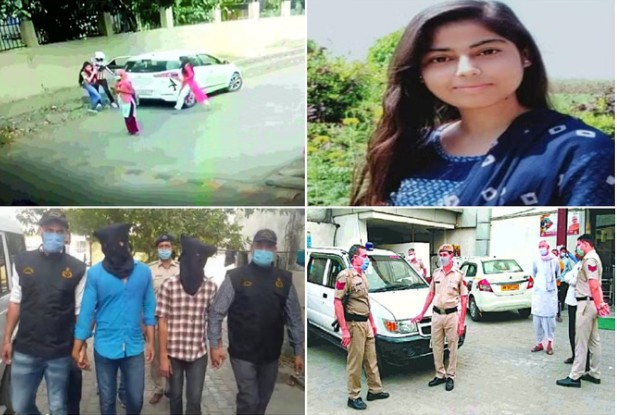
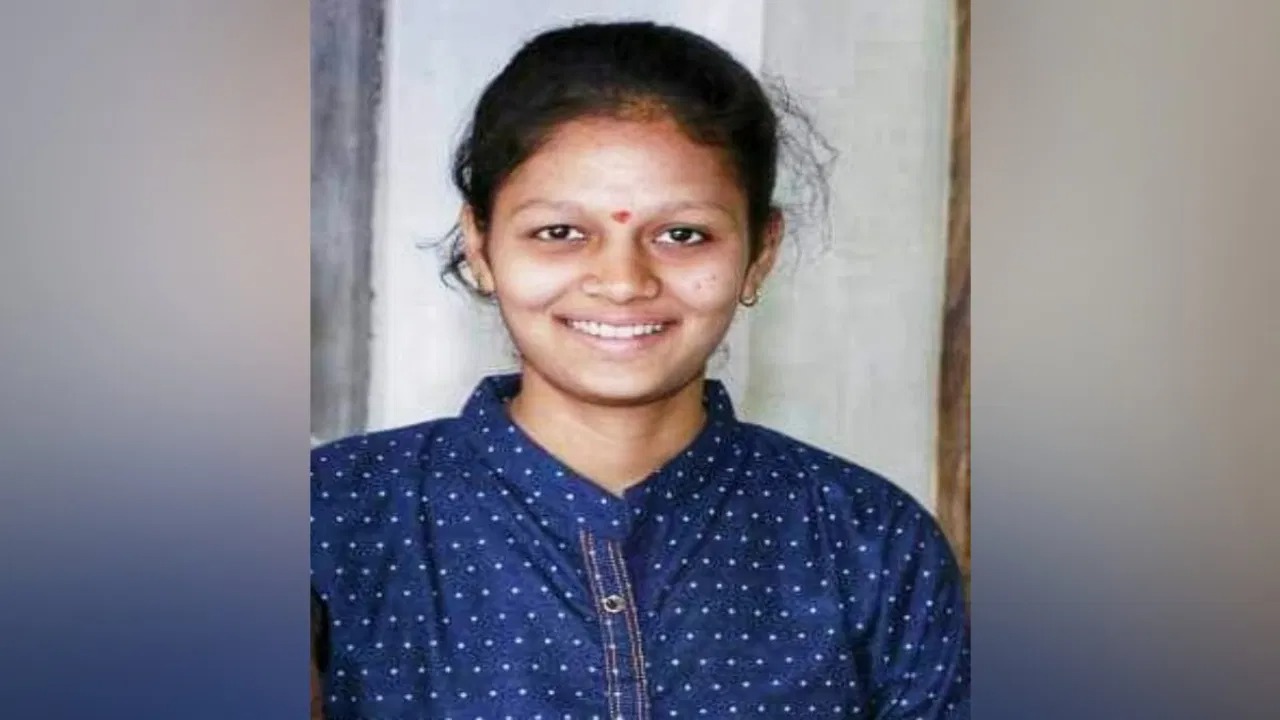
On October 26, 2020, a 21-year-old student, Nikita Tomar, was shot dead in Faridabad, Haryana. The killing, which followed years of harassment by a former classmate, Tausif Ahmed, provoked outrage across India and triggered renewed debate over the controversial idea of “Love Jihad”, the alleged coercive conversion of Hindu women through romantic relationships.
Before her death, India’s so-called secular establishment largely dismissed the concept as an invented communal conspiracy. But Nikita’s murder jolted public opinion and forced the subject into mainstream discourse, from prime time television debates to local community gatherings.
In response, Uttar Pradesh swiftly adopted a law against unlawful religious conversions on November 27, 2020, with Haryana following suit two years later.
A False Identity and a Deadly Obsession
Tausif Ahmed first entered Nikita’s life as ‘Ankit’, a Hindu identity he fabricated to befriend her. Using deception, he tried to win her confidence and draw her into what investigators later described as a planned Love Jihad operation. When Nikita discovered the truth, she severed all contact. That did not stop Tausif. For nearly three years, he pressured her relentlessly to convert to Islam and marry him. His behavior grew increasingly controlling and aggressive, especially in the months before her death.
The two had met in school; he was in grade 12, and she was in 11th grade. Already, by his late teens, his outlook had hardened into religious extremism.
Influence of Popular Culture
During police interrogation, Tausif revealed that the web series, Mirzapur had influenced him. Critics have long argued that Indian entertainment often glorifies violence and, at times, casts Hindu characters in damaging roles.
Tausif revealed that he was particularly inspired by the character of Munna Bhaiyaa, a chauvinist who murders the woman who rejects him. The line between fiction and personal action appears to have blurred in Tausif’s mind.
On October 26, 2020, after finishing her B.Com third-year exam at Agarwal College, Nikita stood outside the campus gate. Moments later, Tausif arrived with an accomplice, Rehan, in a car. When she refused to enter the vehicle, he drew a pistol and shot her in the head at point-blank range.
Her mother, Vijaywati Singh Tomar, and brother Naveen were only 100 meters away. The murder was premeditated. Tausif’s uncle, Islamuddin, had supplied him with the firearm.
The Ahmed family, police records later showed, had a history of criminal activities. In 2016, Islamuddin was convicted of Kidnapping Surendra Phogat, a Hindu police inspector, and sentenced to 10 years in prison.
Also, this was not the first crime committed by Tausif involving Nikita. After she had cut all ties with Tausif after getting to know about his Muslim identity, Tausif had abducted Nikita with the intent of coercing her into conversion. At the time, Nikita had escaped and told her parents how he had kidnapped her to forcefully marry her, and tarnish her reputation.

Nikita Tomar Case, FIR Reports
Her father, Moolchand Tomar, filed a complaint at Ballabgarh Police Station. The case, however, was soon withdrawn—reportedly under political pressure, as Tausif’s family had longstanding links to the Congress Party and the Gandhi family.
Media Spin and Ideological Contortions
After Nikita’s death, left-leaning outlets such as The Quint and Newslaundry conducted “ground reports” that, rather than focusing on the killer or the victim’s family’s quest for justice, framed the incident within a narrative of “Hindu violence.”
When a Muslim youth dies, such media houses are quick to invoke “mob lynching,” painting Hindus as aggressors and Muslims as victims. But in Nikita’s case, these same outlets appeared reluctant to confront the radicalization angle or question the political patronage behind the accused. The result was a deeply asymmetrical moral framing—one that reflected the ideological biases of India’s liberal media ecosystem more than journalistic integrity.
The Ahmed Family’s Political Connections
Tausif Ahmed’s cousin, Aftab Ahmed, is a Congress MLA from Nuh constituency in Haryana and a former minister in the Bhupinder Singh Hooda government.

Aftab Ahmed, Congress MLA and Tausif Ahmed’s cousin with Congress leader Sonia Gandhi | Credit: Chunav Sathi
His father, Chaudhary Kabir Ahmed, twice served as Congress MLA—from Nuh (1975) and Tauru (1982)—while his uncle, Khurshid Ahmed, was regarded as a senior party leader. These connections, critics allege, helped shield the family from legal consequences for years.
A Life of Promise, Cut Short
For her family, Nikita’s death was more than a tragedy—it was the loss of extraordinary potential. She had scored 95% in her intermediate exams in 2018, consistently ranking at the top of her class and earning numerous academic medals and trophies.

The trophies won by Nikita Tomar | Credit: Swarajya Magazine
Nikita dreamed of joining the Indian Armed Forces, following a proud family tradition of military service. Just days before she was killed, she had appeared for the Air Force Common Admission Test (AFCAT).
Her ambitions died at the hands of a fanatic who mistook obsession for faith.
SIT Team Constituted to Investigate Nikita Tomar’s Murder
A Special Investigation Team (SIT) was constituted to investigate the murder of Nikita Tomar, a 20-year-old student shot dead outside her college in Ballabhgarh, Faridabad, on October 26, 2020. The SIT, led by ACP (Crime) Anil Kumar Yadav, filed a 700-page charge sheet in just 11 days, listing 60 witnesses and 25 pieces of evidence, including CCTV footage, forensic samples, and the murder weapon.
The SIT charged Touseef, Rehan, and Azharuddin under IPC Sections 302 (murder), 364 (kidnapping), 366 (abduction for forced marriage), 120B (criminal conspiracy), and provisions of the Arms Act (25(1B)(A), 27(1)). Evidence showed that Touseef attempted to forcibly drag Nikita into a car before fatally shooting her when she resisted. The entire incident was caught on CCTV.
Court Verdict On March 23, 2021, the Faridabad Fast-Track Court convicted Touseef and Rehan, sentencing them to life imprisonment and fines of ₹20,000 each, while Azharuddin was acquitted for lack of direct involvement. Their appeal for reinvestigation was later rejected by the Punjab and Haryana High Court. In July 2022, the Haryana Government appealed to convert their life imprisonment into the death penalty, which the High Court accepted for review.
Aftermath and Legal Reforms The case sparked a major public and political outcry, with many linking it to “Love Jihad” — a term used by Hindu groups alleging coercive religious conversions through romantic relationships. Following public pressure and growing debate on women’s safety, the Haryana government introduced and passed the “Prevention of Unlawful Conversion of Religion Act, 2022”, commonly referred to as the Love Jihad Law, in the state assembly.
Public Reactions The murder led to widespread discussions on social media and statements from public figures:
Former Tripura and Meghalaya Governor Tathagata Roy urged Hindu parents to educate daughters about “Love Jihad” risks.
Lawyer Prashant Umrao highlighted the brutality of the daylight murder on Twitter.
Writer Shefali Vaidya wrote that Nikita desired a normal life, education, and love, but was killed for resisting abduction and conversion.
Columnist Sunanda Vashisht quoted Nikita’s father, who revealed that she was being pressured to convert to Islam and marry Touseef.
Journalist Meenakshi Joshi condemned the killer’s mother’s statement and described it as indicative of societal rot.
A Pattern and a Warning
The murder of Nikita Tomar remains both a symbol of resistance and a cautionary tale. It exposed India’s deep fault lines—where love, faith, politics, and media collide—and reignited debates about the meaning of secularism in a polarized nation.
For some, her story is about the failure of law and political accountability. For others, it is a mirror to how ideological selectivity can distort justice itself.
Either way, Nikita’s name continues to echo beyond Haryana—as a quiet reminder of the cost of ignoring patterns of coercion, and of the need to confront extremism without prejudice or appeasement.
.jpg)