1824 Battle of Kittur: When Rani Chennamma Defeated the British, Killed Their Officer, & Captured Two Hostages

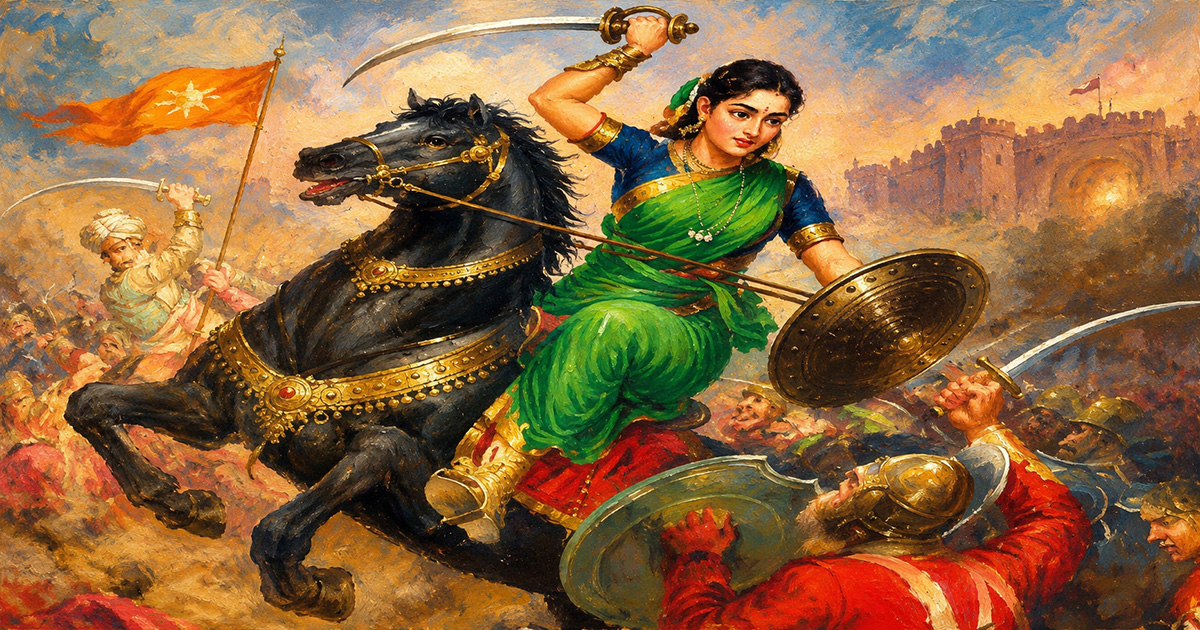
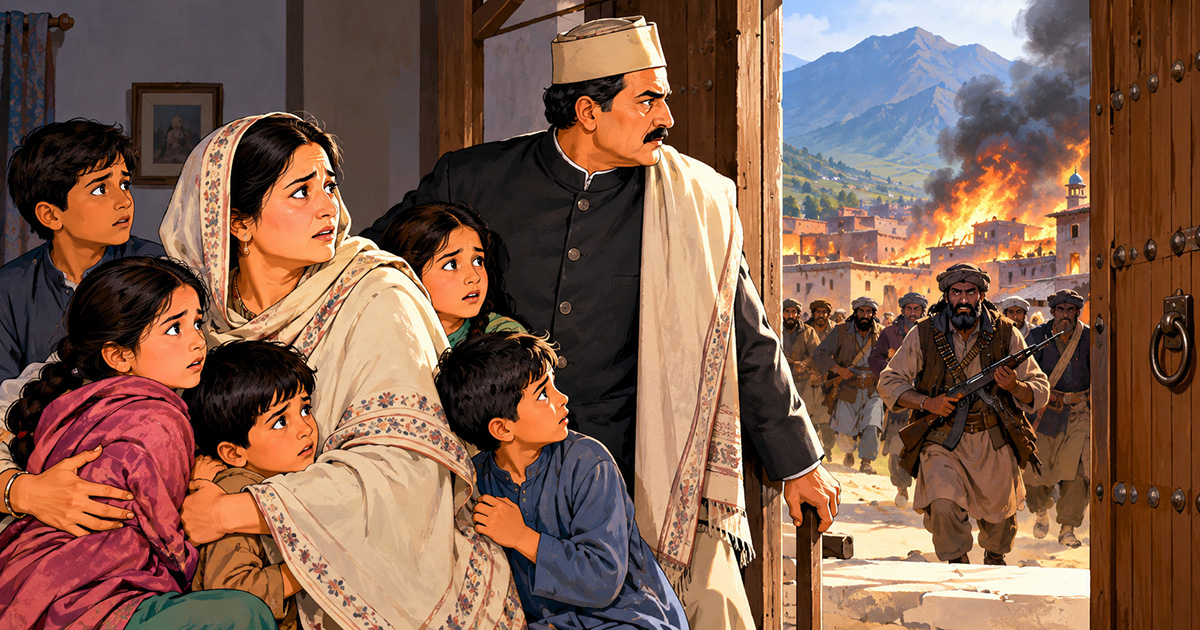
The Battle of Kittur by Rani Chennamma | This image is AI-generated
On October 23rd, 1824, the British troops of the East India Company had marched towards Kittur in Karnataka expecting obedience. Instead, they encountered something they had not anticipated: a fearless queen who refused to surrender her kingdom, soldiers who refused to retreat, and a battlefield that would end with the death of the very officer who led the British troops. This was Kittur Rani Chennamma, who stood against the British forces to safeguard her kingdom.
Kittur was a small princely state in present-day Karnataka. But by 1824, tragedy had struck the royal family first with the death of the Kittur king, Raja Mallasarja, the warrior who himself had fought against Tipu Sultan; and later, the death of their only surviving son, Shivalinga Rudra, in 1816. In 1824, Rani Chennamma then adopted a young boy, Shivalingappa, and declared him the heir of Kittur. Determined to seize the opportunity to tighten their grip over Kittur, the British authorities refused to recognise the adoption, invoking the Doctrine of Lapse. The policy allowed the British to annex princely states when a ruler died without a biological male heir, refusing to recognise an adopted heir in succession. Acting on it, the British demanded that Chennamma surrender control of the state and accept British authority. Her repeated appeals to officials including St. John Thackeray, Commissioner Chaplin and Governor Mountstuart Elphinstone failed.
Thus, in October 1824, the British moved against Kittur under British officer St. John Thackeray, the Collector and British representative, with a force of 20,797 men and 437 artillery pieces, vastly larger than the defenders inside the fort. Thackeray expected Kittur to submit, holding negotiations with the Queen of Kittur. Yet, Rani Chennamma refused to surrender either her authority or the adopted heir.
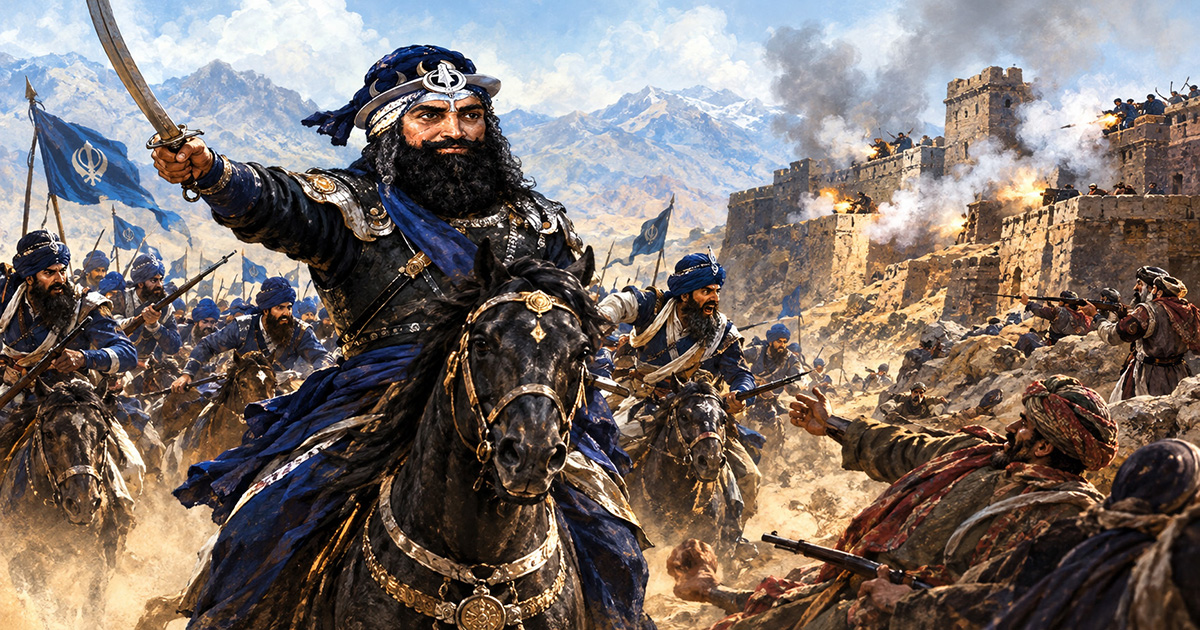
Surprised at outright defiance, the British attempted a two-pronged assault. Captain C. W. Black, British commander of the horse artillery, deployed his units toward the fort's gate while the infantry prepared for assault. On the other hand, Rani Chennamma's forces answered with cannon fire, swivels, and musketry. Kittur's soldiers opened heavy fire from their defensive positions, and the British advance began to falter. This forced British officer Thackeray to move towards the fort. But as he did so, the Kittur defenders fired upon him, assassinating the British leadership on the battlefield. With that, the British attack collapsed.
But that was not all. Rani Chennamma gave them another blow: two British officials, Sir Walter Elliot and John Augustus Stevenson, were captured by Kittur's forces and held as hostages. She agreed to release both Elliot and Stevenson safely on the explicit condition that the Commissioner Chaplain and the East India Company would withdraw their forces and recognize her adopted son as the rightful heir to the throne. While she kept her word and released them unharmed, the British, on the other hand, broke their promise.
Nevertheless, for Kittur, this was an astonishing victory. In Kittur, a queen had refused to accept the Company's demands and had defeated its first military attempt to impose them. Kittur Rani Chennamma's first battle was therefore more than a military encounter. It was a dramatic declaration: the East India Company's authority was not invincible, and Kittur would fight before it surrendered its sovereignty. And on October 23, 1824, that declaration was written not in a treaty—but on the battlefield, with St. John Thackeray's death and a British retreat.