Allahabad’s Informant Who Tipped Off the British About Chandra Shekhar Azad: The Secret Lies Buried in a CID File

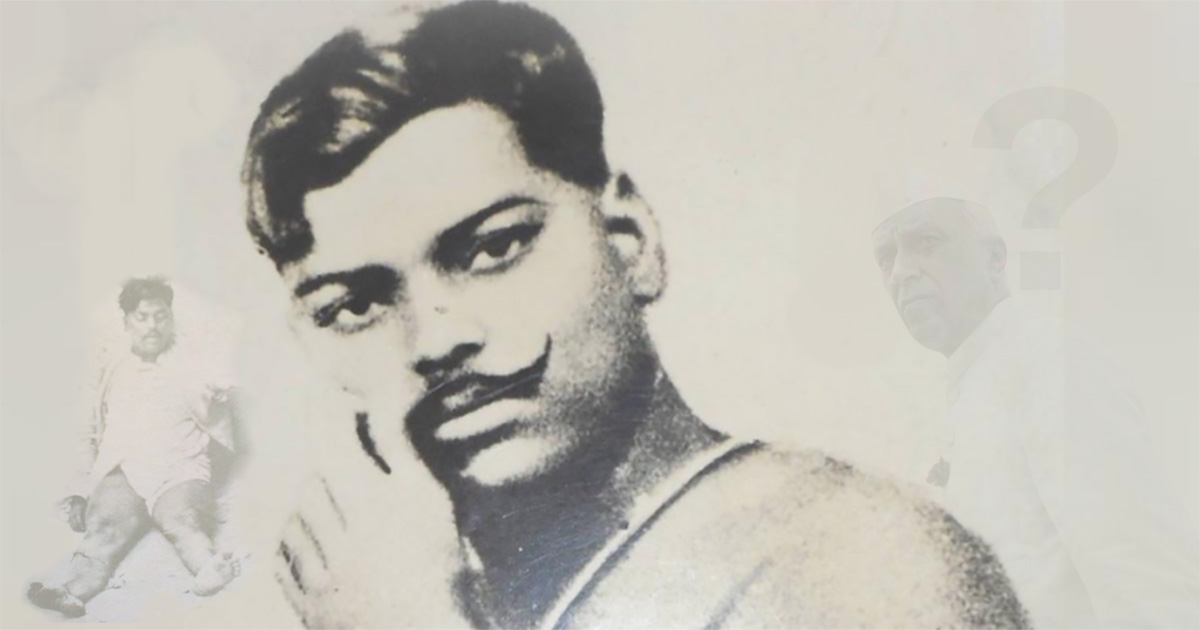
A shining sun of India’s freedom struggle, who remained ‘Azad’ (free) even in subjugated India, but got ensnared in a web of betrayal spun by his own people, from which he couldn’t escape. Alfred Park in Prayagraj still bears witness to this treachery. On February 27, 1931, Chandra Shekhar Azad made his supreme sacrifice in Allahabad (now Prayagraj) at the mere age of 24. This sacrifice was no mere coincidence but an act of betrayal. Clues to it are linked to a secret CID letter, which mentions the name of a specific person from Allahabad – a mystery that remains unsolved to this day. This individual was a British informant, providing information about Chandra Shekhar Azad under pressure from the police administration.

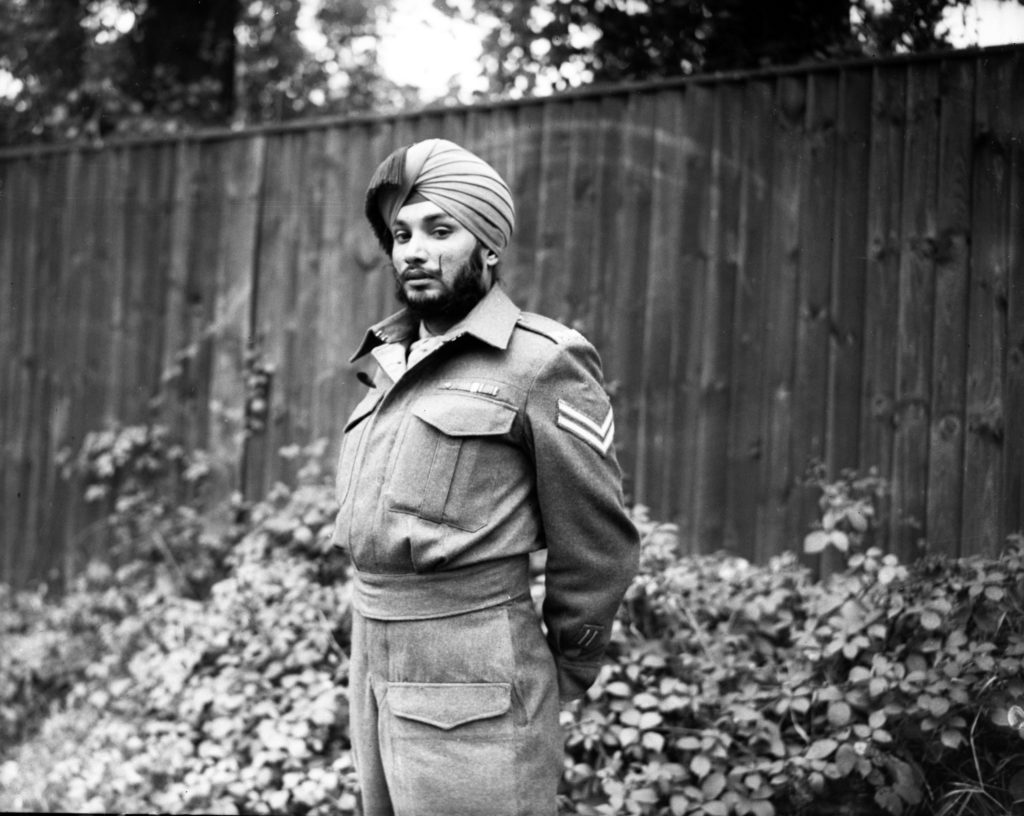
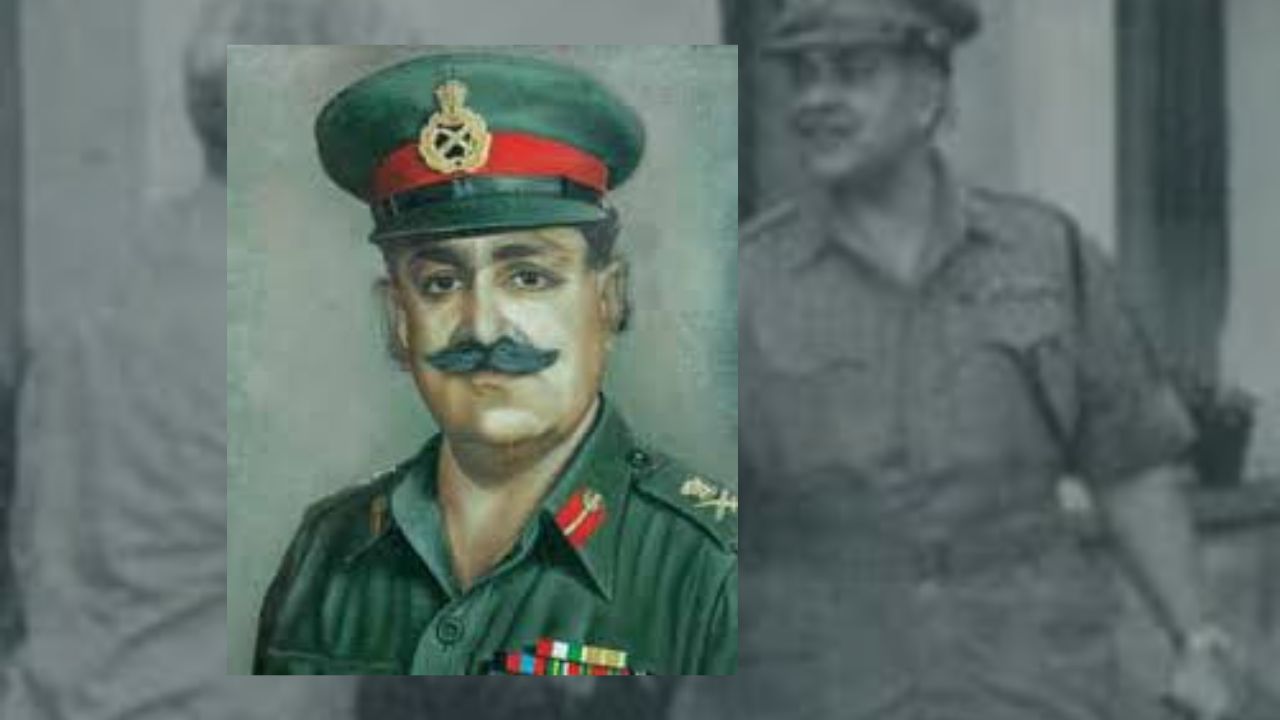
Original photograph of Chandra Shekhar Azad
Exactly 7 days before his sacrifice on February 27, 1931, Chandra Shekhar Azad had arrived at Jawaharlal Nehru’s ancestral home, Anand Bhavan, in Allahabad, to meet him. Nehru mentions this meeting in his autobiography ‘An Autobiography’. From the autobiography’s account, it’s clear that the meeting between the two was not fruitful. While describing this encounter, Nehru links the freedom struggle activities of Azad and his comrades to ‘terrorism’. Indirectly, he equates revolutionaries with terrorists. In his autobiography, while mentioning this meeting, Nehru repeatedly uses the words ‘terrorism’ and ‘terrorist’. Not seeing the purpose of the visit fulfilled, Chandra Shekhar Azad left Anand Bhavan in anger.
Just 7 days after this meeting, Chandra Shekhar Azad was sitting in Alfred Park, Allahabad, with his fellow revolutionary Sukhdev Raj, planning their next moves. This park was right near Nehru’s Anand Bhavan. The two revolutionaries were discussing tasks related to their Hindustan Socialist Republican Association when an informant tipped off British police officer Nott Bower about it. Bower arrived immediately with 40 armed constables and surrounded the park from all sides. On Azad’s instruction, Sukhdev Raj managed to escape. What followed was 40 minutes of intense firing across multiple rounds. With the 6 bullets he had, Azad killed 5 British policemen. But gravely wounded, he used the last bullet on himself, fulfilling his vow to remain free forever.
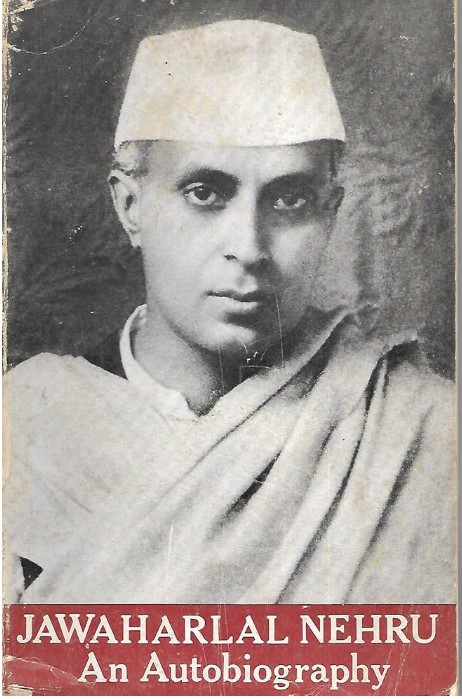
Jawaharlal Nehru’s autobiography, ‘An Autobiography’
After Chandra Shekhar Azad’s martyrdom, British police officer Bower stated in his account that he had shown great bravery. But this bravery became a sacrifice to deception. Who was it that informed the British about Azad’s presence in the park? On March 10, 1947, a secret letter from the Central Investigation Department surfaced, mentioning 3 informants involved in Azad’s betrayal – 2 from Saharanpur and 1 from Allahabad (Prayagraj). Who these three were remains undisclosed even today.
Many secrets of Chandra Shekhar Azad’s death are buried in CID files. This file is still kept in the CID office in Lucknow. According to media reports, it contains several important details and statements related to his death. There have been multiple attempts to bring the truth of this file to light, but the Congress government refused to make it public. Not only that, after independence, the Government of India once ordered the then UP Chief Minister to destroy this file, but he did not do so.
.png)