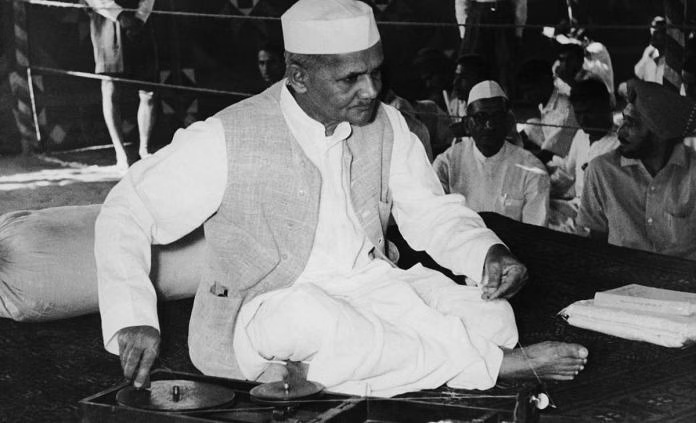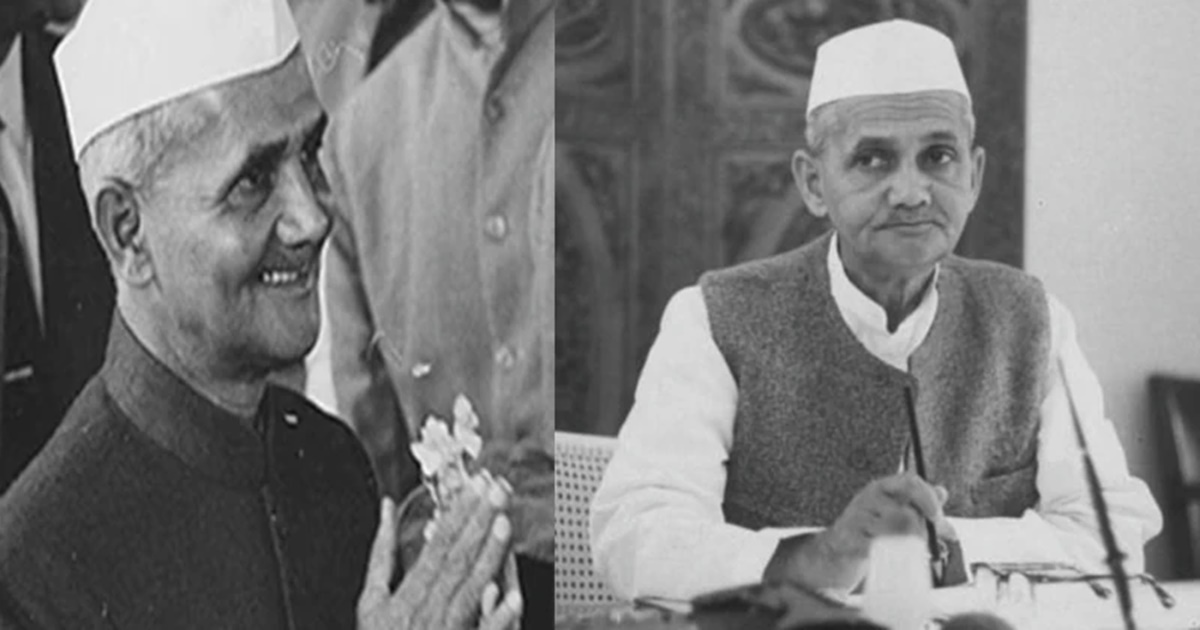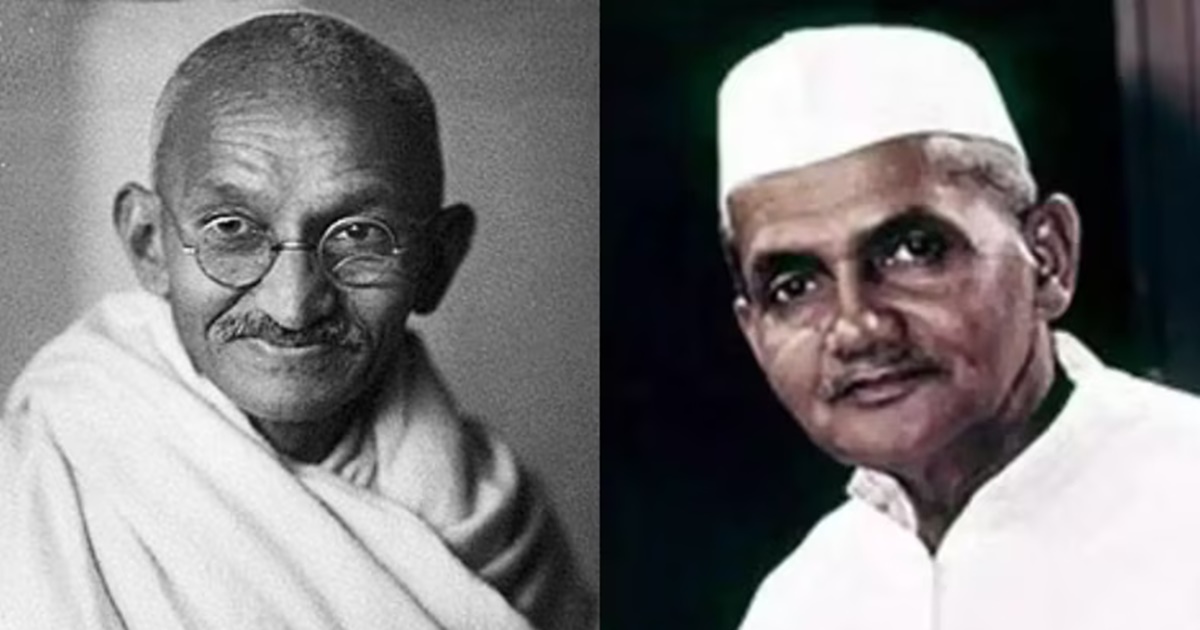
Lalita Shastri Had Openly Challenged Indira Gandhi: An Untold Story Linked to Lal Bahadur Shastri Ji’s Last Rites
After Shastri Ji’s mysterious death during the Tashkent Agreement, his mortal remains reached Palam Airport in Delhi at 9 a.m. on January 11, 1966.

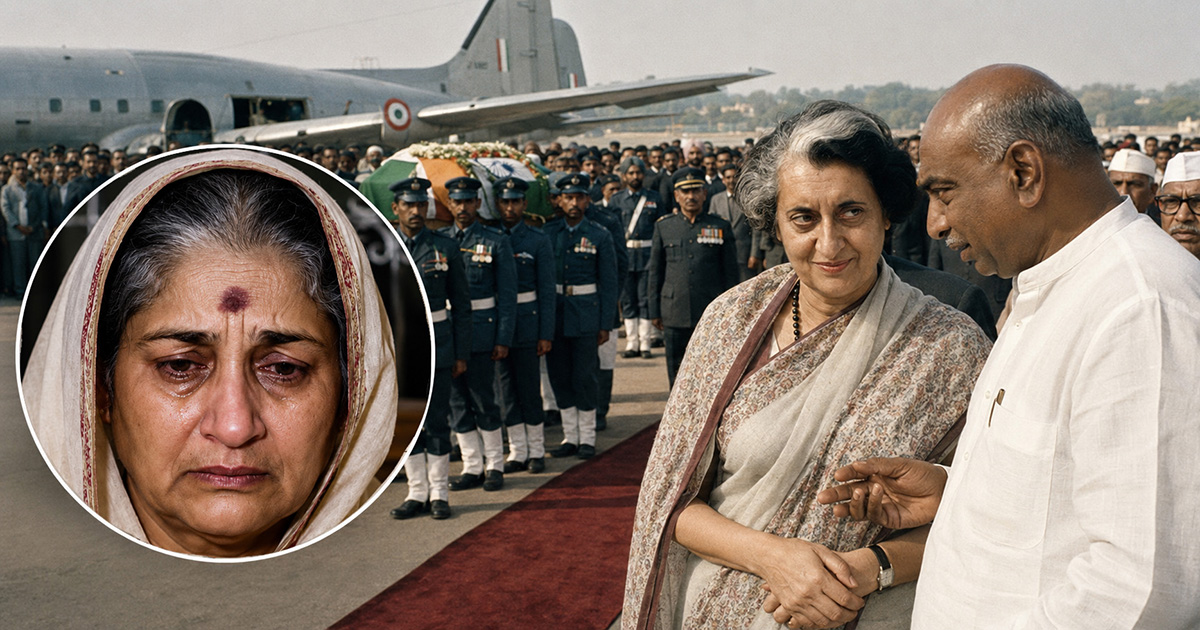
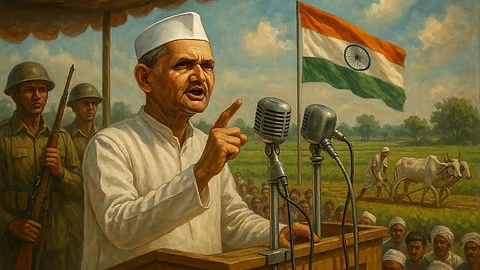
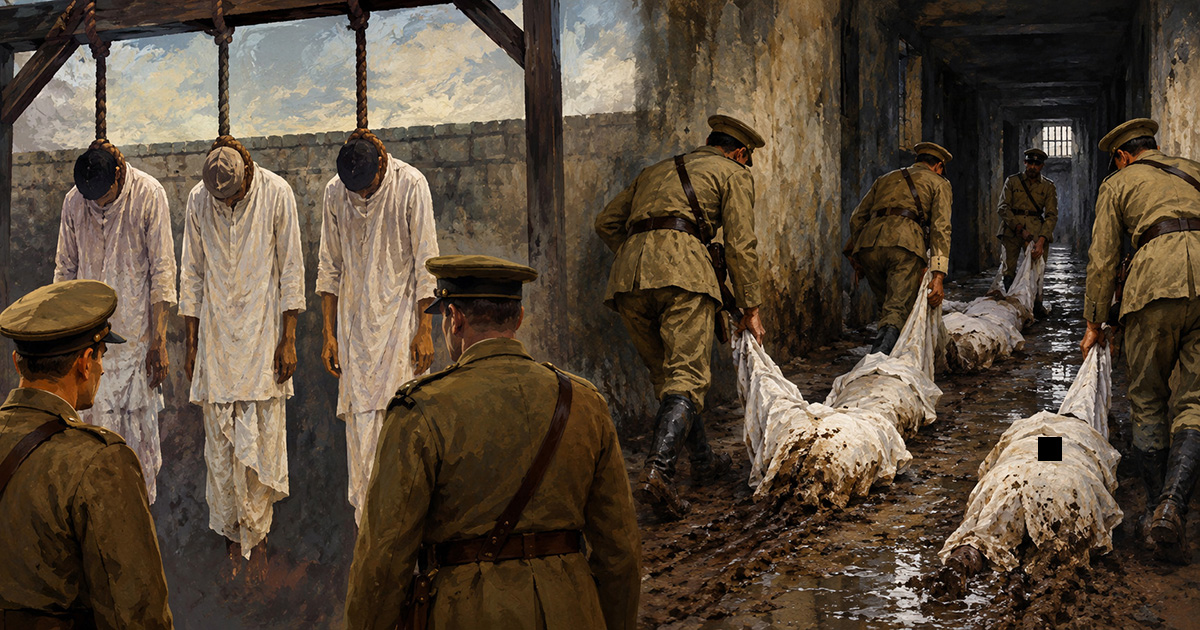
Lal Bahadur Shastri's last rites | This image is AI-generated
The morning of January 11, 1966, in Delhi was different from any other morning. People were restless. At 9 a.m. that morning, the mortal remains of Prime Minister Lal Bahadur Shastri arrived in Delhi from Tashkent. Shastri Ji’s family members, relatives, and lakhs of supporters were present in Delhi. They could not stop their tears. Some stood with folded hands, while others were desperate to have a last glimpse of him. But amid this emotional moment, a decision emerged within the corridors of power that the people of the country had never imagined could be taken regarding such a popular leader. The decision concerned Shastri Ji’s last rites. On one side was Indira Gandhi, and on the other was Shastri Ji’s family. At the centre was one question: would Shastri’s funeral pyre even be allowed to burn in Delhi?
After Shastri Ji’s mysterious death during the Tashkent Agreement, his mortal remains reached Palam Airport in Delhi at 9 a.m. on January 11, 1966. From there, his mortal remains were taken to his official residence. Supporters were arriving in Delhi from across the country. The Army was preparing for the last journey. People were distressed. Senior leaders were discussing the funeral arrangements among themselves. But meanwhile, the name of Allahabad (now Prayagraj) came up in connection with the last rites. Allahabad was Shastri Ji’s home region. The idea was to give the country’s deceased Prime Minister a final farewell in his own city. This had not happened during Nehru’s time. But now, his daughter, Indira Gandhi, was pushing for Shastri Ji’s last rites to be conducted in Allahabad instead of Delhi. The next decision in Delhi was going to be extremely important.
Indira Gandhi became adamant that Shastri’s last rites should be performed in his home district of Allahabad (now Prayagraj). She discussed the matter with Congress president K. Kamaraj and insisted on holding the funeral in Allahabad. But Delhi held a special place in Shastri Ji’s life. It was in this city that he climbed the political ladder. He became the Railway Minister, then the Home Minister, and eventually the Prime Minister of the country. During the 1965 war, when the country was facing difficult circumstances, his voice from this very capital had reached the entire country in the form of the slogan, “Jai Jawan, Jai Kisan.”
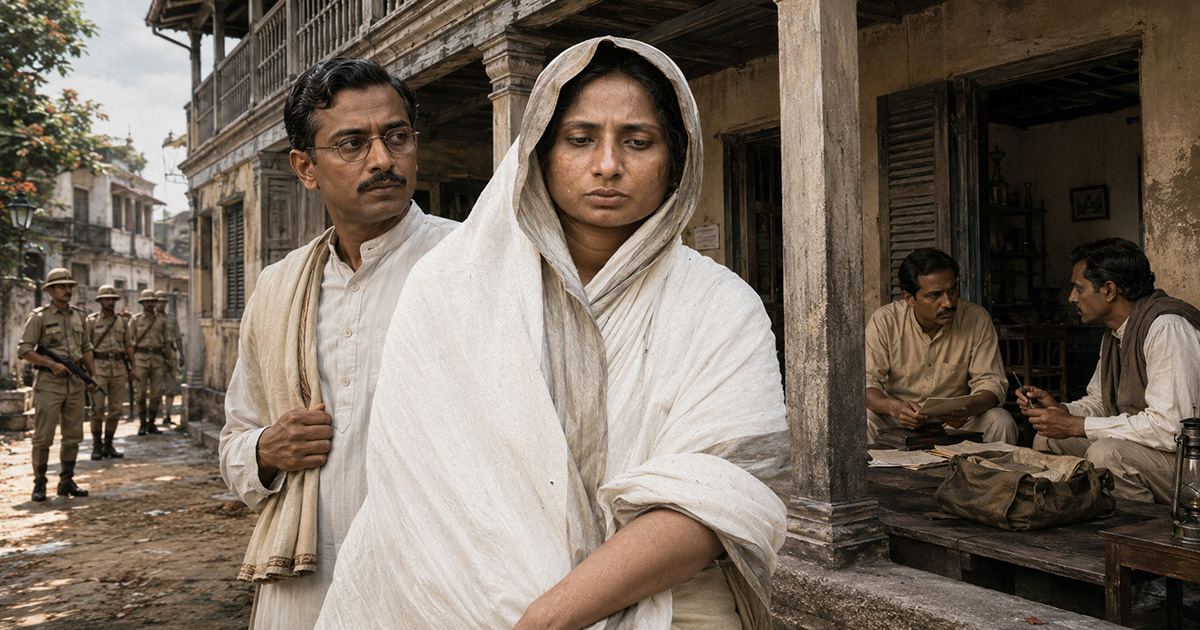
That is why, when the proposal to hold the funeral in Allahabad reached Lal Bahadur Shastri’s wife, Lalita, she rejected it. For her, this was not merely a question of bidding farewell to her husband. It was also about the honour that had been given to Gandhi and Nehru. She understood that Indira Gandhi did not want Shastri Ji to receive the same honour that Nehru had received. She objected to holding the funeral in Allahabad. But given Indira Gandhi’s position against holding the funeral in Delhi, the grieving family was left with no choice. Lalita Shastri was then forced to decide to go on an indefinite hunger strike.
What could be more unfortunate than a Prime Minister’s wife having to go on an indefinite hunger strike simply to ensure that her husband’s last rites were performed in Delhi? What message would this have sent across the country? The then Congress president, K. Kamaraj, understood this and rejected Indira Gandhi’s proposal to hold the funeral in Allahabad. Only after this could preparations begin for Shastri Ji’s funeral in Delhi.
A site near Shanti Van, on the banks of the Yamuna, was prepared for the last rites. Army personnel were deployed there. Sandalwood was gathered. Meanwhile, the crowds on the streets of the capital continued to grow. On January 12, when Shastri’s funeral procession left his official residence, a sea of people followed behind him. People stood with bowed heads on both sides of the route. Some showered flowers, while others folded their hands and bid him farewell. By the time the procession reached the area near Shanti Van, it had become one of Delhi’s largest mourning processions. Nearly 2 million people were walking alongside Shastri Ji’s mortal remains. At 12:32 p.m., Shastri’s elder son, Hari Kishan, lit the funeral pyre. Shastri Ji then merged with the five elements.
Despite Indira Gandhi’s opposition, Shastri Ji’s last rites were ultimately performed in Delhi. But the family was now considering what the identity of his memorial should be. Lalita Shastri wanted the memorial to be identified by his famous slogan, “Jai Jawan, Jai Kisan.” But Indira Gandhi objected to this as well. Once again, Lalita Shastri had to fight for her husband’s honour. She threatened self-immolation, after which Indira Gandhi had to yield, and the words “Jai Jawan, Jai Kisan” were inscribed at Shastri Ji’s memorial as his identifying slogan.
Today, Shastri Ji’s memorial on the banks of the Yamuna in Delhi is known as Vijay Ghat. Every year on October 2, thousands of people from across the country visit Vijay Ghat to pay tribute to Shastri Ji and express their gratitude to him. But even today, it is difficult to recall that cold afternoon in January 1966, when there was an attempt to deny a Prime Minister the honour that was due to someone who had devoted himself day and night to the freedom of the country and, later, to leading the nation through times of crisis.
Note: The information stating that Indira Gandhi proposed holding Shastri Ji’s last rites in Allahabad instead of Delhi, and that Shastri Ji’s wife, Lalita Shastri, said she would undertake an indefinite hunger strike, has been taken from page 218 of senior journalist Kuldeep Nayar’s book Ek Zindagi Kaafi Nahin (Hindi edition).