From the Banks of Ganga to the PM’s Chair: The Journey of Lal Bahadur Shastri

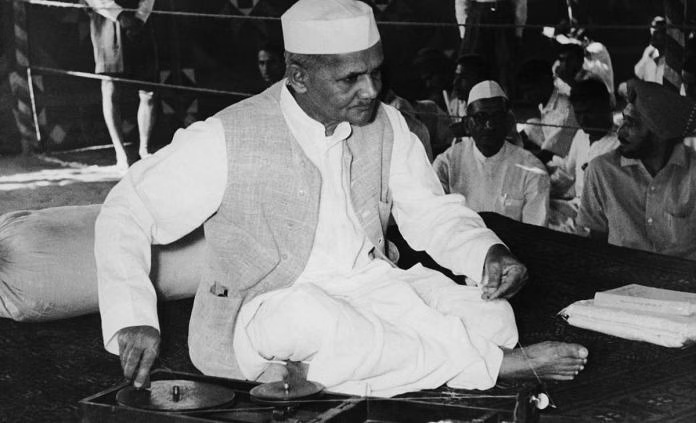
Lal Bahadur Shastri had a special connection with the river Ganga. From swimming across the river to becoming the country’s second Prime Minister, here are interesting facets of his life.
This year marked the 121st birth anniversary of Shastri ji, a true patriot whose dedication lifted him from a humble family to become India’s second Prime Minister. Who would have thought that the boy who swam across the Ganga daily, carrying his school bag on his head, would one day lead the nation? Looking at his life today, it is clear that simplicity, steadfastness, and dedication were his real strengths.
The Boy Who Swam Across Maa Ganga to Reach School
One of the most inspiring stories from Lal Bahadur Shastri’s childhood is about his connection to the Ganga. Born in the Varanasi district, his family faced financial difficulties. His father had passed away when he was young, and their circumstances were very humble.
To attend school, he had to travel several kilometers every day. His route passed through the Ganga river. Though boat transport was sometimes available, they often couldn’t afford the fare. Instead of giving up, Shastri ji chose a unique path: twice daily he swam across the Ganga. Carrying books and copies in a small bag tied on his head, he swam across the river to reach school.
His higher education took place at Kashi Vidyapith in Varanasi, a national-level university. In 1925, he earned a first-class degree in Philosophy and Ethics, after which he was honored with the title “Shastri.”
When Shastri ji took a Bank Loan for a FIAT Car
Shastri ji’s personal life was marked by simplicity and integrity. He married Lalita Devi on 16 May 1928 and was firmly opposed to dowry. Following his father-in-law’s insistence, he accepted only five yards of khadi cloth as a gift.
In 1964, desiring a Fiat car for family use priced at ₹12,000, he had only ₹7,000 in the bank. Even as Prime Minister, he took a loan of ₹5,000 from Punjab National Bank, stating that common citizens should have such facilities too. He never used government resources for personal matters. After his death, his wife Lalita repaid the car loan from the family pension in installments. The cream-colored Fiat car is displayed today at the Shastri Memorial in Delhi.
He had four sons, two daughters, and many grandchildren. Though family-oriented, his entire life was devoted to national service—his youth dedicated to the country, and later life to public duty.
Empowering Women by Appointing Female Conductors
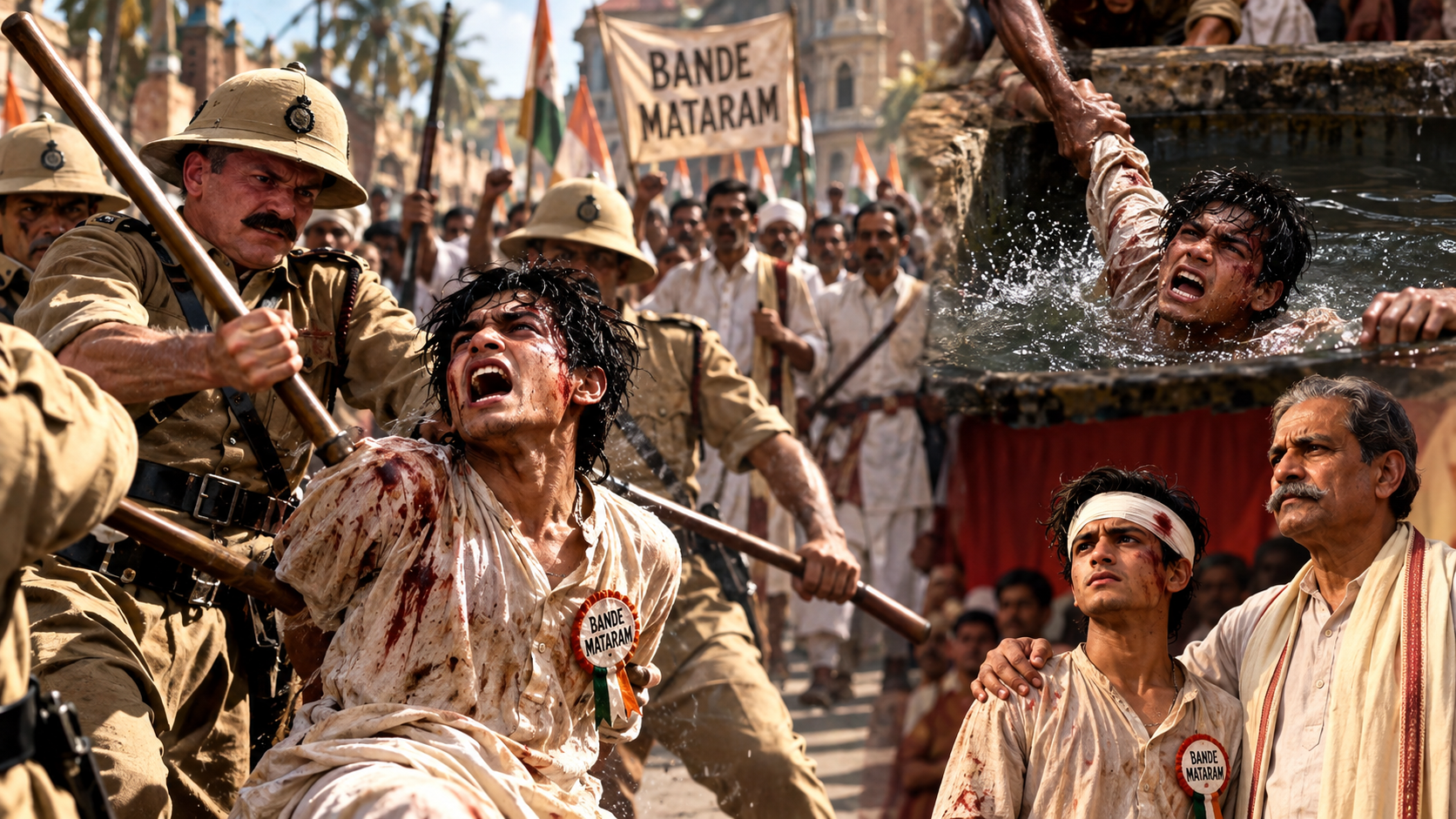
After independence, Shastri ji’s political career began. He served as Parliamentary Secretary in Uttar Pradesh, and later as General Secretary of the Congress Party. As Police and Transport Minister from 1947 to 1951, he replaced baton charges with the use of water cannons the first time to disperse crowds.
During this time, he initiated the appointment of women as conductors in public transport—a pioneering move for women’s empowerment. In 1952, he became Railway and Transport Minister, and after a devastating rail accident in 1956, he took personal responsibility and resigned.
When Pandit Nehru Called Shastri ji “Half Civilized”
In the 1930s, Shastri ji spent two and a half years in jail, gaining firsthand experience of British repression. His attire was simple: home-woven cotton clothes and often a dhoti, which led Pandit Nehru to jokingly call him “आधा सभ्य.”
Shastri ji believed that India’s uniqueness lay in the coexistence of multiple religions—Hindu, Muslim, Christian, Sikh, Parsi—with temples, mosques, gurdwaras, and churches peacefully coexisting. However, he emphasized that religion should not be brought into politics.
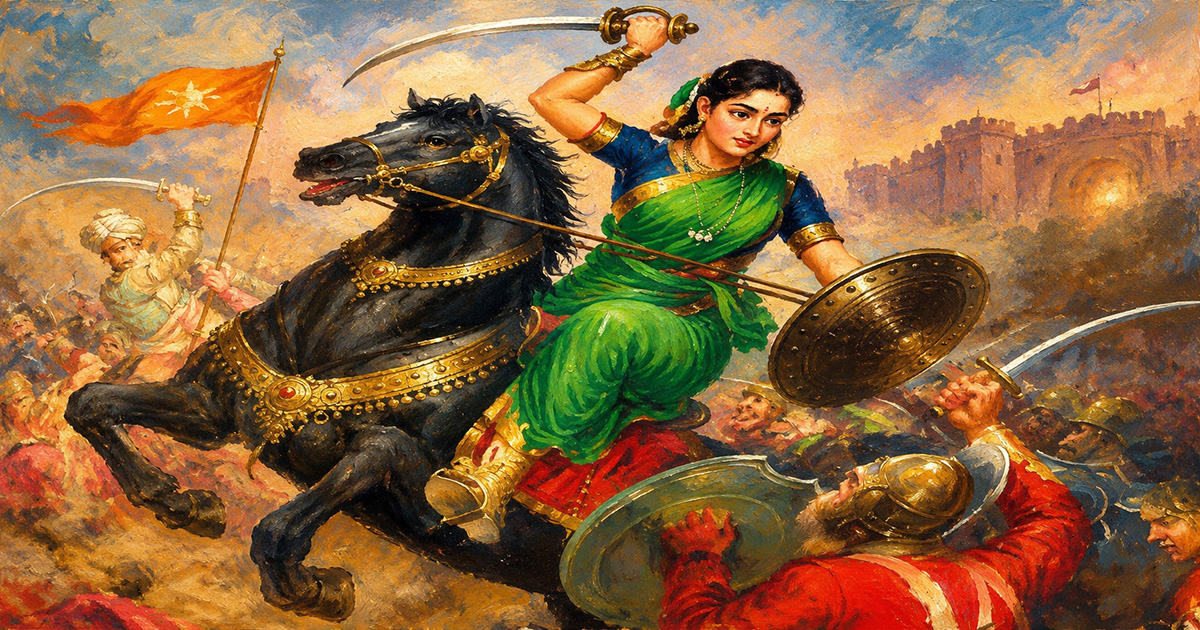
Lal Bahadur Shastri earned the affectionate nickname “Little Sparrow” from Vijaya Lakshmi Pandit, Jawaharlal Nehru’s sister, due to his short stature and agile escapes from British police during the freedom movement. This determined childhood propelled him into the national movement, where he joined Gandhi’s meeting before his 10th board exams and became a Congress volunteer. Even as his height was just 5 feet 2 inches, it helped him dodge colonial police and become a legendary figure among freedom fighters.
Minister Without Portfolio
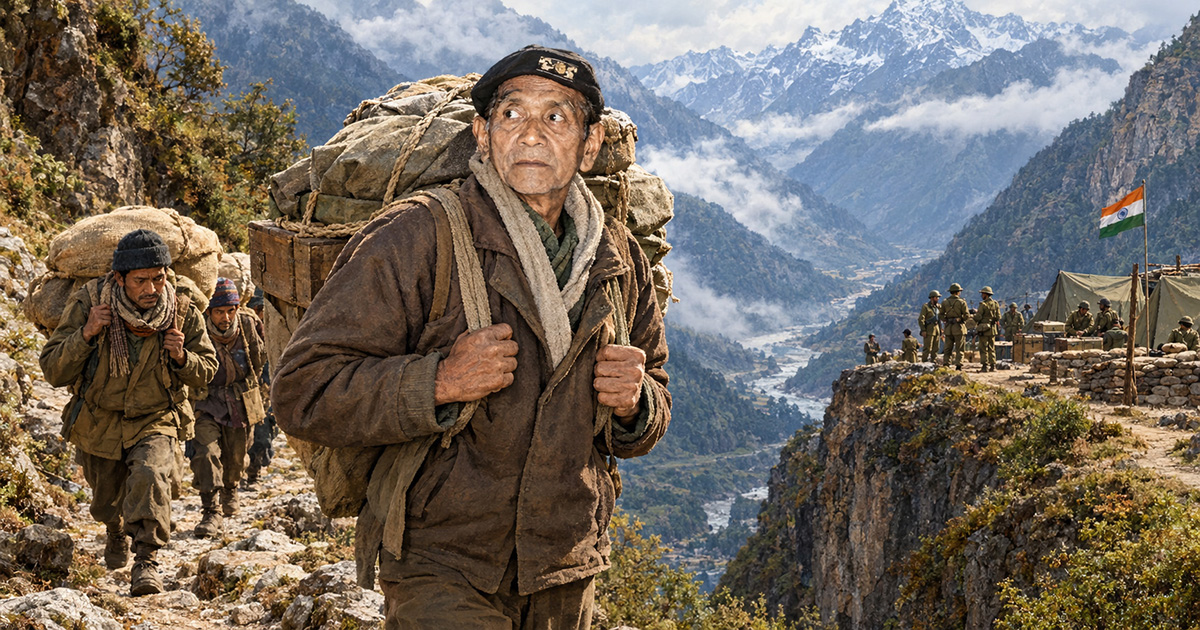
After the death of Govind Ballabh Pant in 1961, Shastri was made Home Minister, earning Nehru’s trust and leading key border negotiations with Nepal to address disputes and counter China’s expanding influence. After resigning from the cabinet in 1962, Shastri occupied the position of “Minister without Portfolio,” equivalent to Deputy Prime Minister, often stating, “I never desired public office, but I am not a recluse either.” He eventually became Prime Minister in 1964.
“Skip One Meal” for India: The Wheat Crisis
During the severe wheat shortage and famine of 1964, Shastri inspired the nation with his slogan “Jai Jawan, Jai Kisan,” and led by example—ploughing fields and forgoing his salary. He urged citizens to observe a fast by skipping one meal a week; in some places, even restaurants would close on that day. Feedback was mixed, but the initiative helped galvanize national unity. The Food Corporation of India (FCI) was founded in 1965 to manage procurement, storage, and distribution of food grains.
Inviting RSS Chief Golwalkar to National Crisis Talks
During the India-Pakistan war in 1965, Shastri united the nation by inviting representatives of all major parties, including RSS Chief M.S. Golwalkar (“Guruji”), to an all-party meeting. This move symbolized his commitment to national unity and transcendence of political divides in times of crisis.
After Tashkent, An Untimely End
Following talks with Pakistan President Ayub Khan, Shastri signed the Tashkent Declaration on 10 January 1966, calling for a ceasefire, restoration of pre-war borders, respect for internal affairs, and reestablishment of diplomatic and economic ties. Shockingly, just one day later, Shastri died of a heart attack in Tashkent while still serving as Prime Minister. The investigation remained secret and became a national mystery; he was posthumously awarded the Bharat Ratna in 1966.
Shastri’s life proves that a man of modest size and means can lead a nation to greatness. On his birth anniversary, his values of simplicity, courage, and selfless service serve as inspiration for a stronger India.
.png)