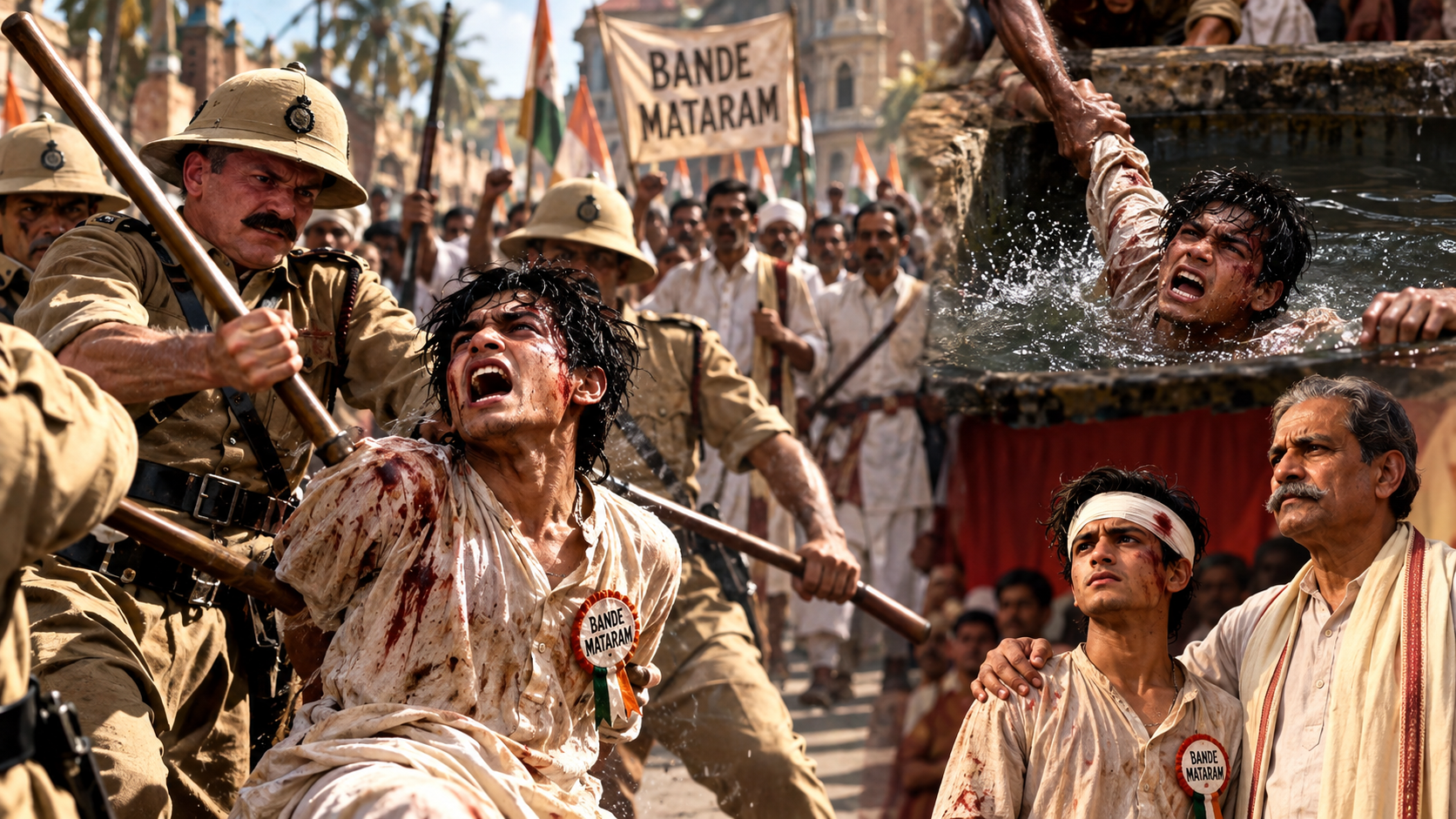
Kakori Train Action: A Century-Old Saga of Bravery, Brotherhood, and Revolutionary Zeal That Shook the British Empire

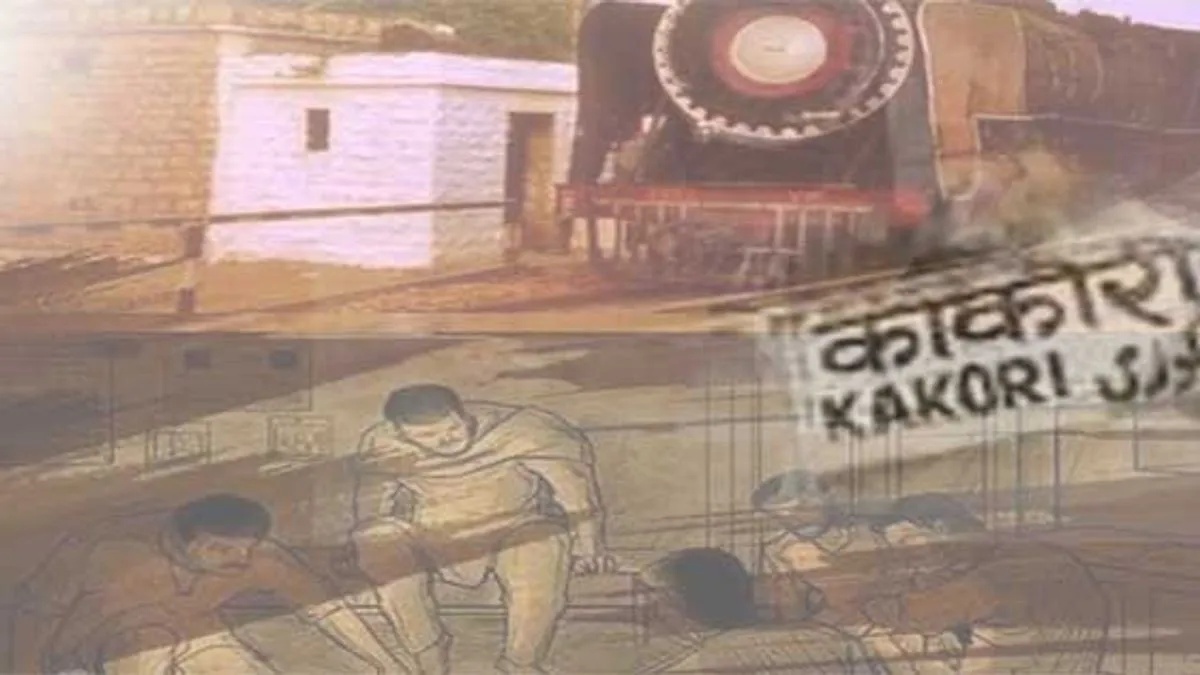
The Kakori Train Action: A Revolutionary Milestone
Date & Location
- Date: August 9, 1925
- Location: Near Kakori railway station, approximately 16–20 km from Lucknow, Uttar Pradesh
- Event: Ten revolutionaries halted the 8 Down Saharanpur-Lucknow passenger train and looted ₹4,679, one anna, and six paisa from the British treasury chest.
1. Key Revolutionaries Involved
- Ram Prasad Bismil: Mastermind behind the operation
- Ashfaqullah Khan: Initially hesitant, later joined the action
- Chandrashekhar Azad: Remained underground; evaded arrest
- Rajendra Nath Lahiri
- Sachindra Nath Bakshi
- Keshab Chakravarty
- Manmath Nath Gupta
- Murari Lal Gupta
- Mukundi Lal
- Banwari Lal
2. Aftermath & Legal Proceedings
- Casualty: A passenger, Ahmad Ali, was accidentally killed during the robbery.
- Arrests: Extensive manhunt led to multiple arrests.
- Trial: Held under Justice Archibald Hamilton at a Special Sessions Court.
- Sentences:
- Death: Ram Prasad Bismil, Ashfaqullah Khan, Rajendra Nath Lahiri, Thakur Roshan Singh
- Life Imprisonment: Several others, some deported to Cellular Jail (Kala Pani)
- Executions:
- Rajendra Nath Lahiri: December 17, 1927, at Gonda Jail
- Ashfaqullah Khan: December 19, 1927, at Faizabad Jail
- Ram Prasad Bismil: December 19, 1927, at Gorakhpur Jail
- Thakur Roshan Singh: December 19, 1927, at Naini (Allahabad) Jail
3. Legal Representation
- Prosecution: Jagat Narain Mulla, a former Congress member who later joined the Liberal Party.
- Defense:
- Govind Ballabh Pant: Later became the first Chief Minister of Uttar Pradesh.
- Chandra Bhanu Gupta: Later served as the third Chief Minister of Uttar Pradesh
4. Cultural Impact
- Slogan: “Sarfaroshi ki tamanna ab hamare dil mein hai” became a rallying cry for freedom fighters.
- Ashfaqullah Khan’s Couplets: Known for his poignant poetry, including lines that critiqued the prosecution during the trial.
- Controversy: In 1973, a couplet by Anand Narain Mulla, son of Jagat Narain Mulla, sparked debates in the Uttar Pradesh Assembly over its perceived disrespect to martyrs.
5. Centenary Celebrations (2025)
- Initiation: Launched by Uttar Pradesh Chief Minister Yogi Adityanath on August 9, 2024.
- Terminology: Referred to as “Kakori Train Action” to emphasize its revolutionary nature.
- Events:
- ‘Kakori Shaurya Gatha Express’: A 12-coach exhibition train showcasing the history of the Kakori incident, traveling across Uttar Pradesh.
- Competitions: Statewide essay writing, painting, and calligraphy contests for students.
- Cultural Programs: Nukkad Nataks (street plays) by Bharatendu Natya Academy.
- Tributes: Honoring families of the martyrs and planting 100 saplings at memorial sites
6. Legacy & Memorials
- Kakori Station: The old railway office has been converted into a museum detailing the incident.
- Shaheed Smarak: A memorial dedicated to the revolutionaries near the station.
- Chandrashekhar Azad Park: Formerly Alfred Park in Allahabad, renamed in honor of Azad, who died there in 1931
The Kakori Train Action stands as a testament to the courage and sacrifice of Indian revolutionaries in the struggle for independence. Its centenary serves not only as a remembrance of the past but also as an inspiration for future generations to value and uphold the hard-earned freedom.
Hindu-Muslim Unity: A Symbol of Secular Nationalism
The collaboration between Pandit Ram Prasad Bismil and Ashfaqullah Khan during the Kakori Train Action exemplified Hindu-Muslim unity, countering the British “divide and rule” strategy. Their partnership became a beacon for communal harmony in India’s freedom struggle.
7. Revival of Revolutionary Narratives Through Dastangoi
The art of Dastangoi (oral storytelling) has been employed to retell the tales of Kakori martyrs, emphasizing themes of love, secularism, and sacrifice. Such performances have been integral in keeping the legacy of these revolutionaries alive in contemporary times.
8. Commemoration of Martyrs
Annual tributes are paid to Kakori martyrs like Ashfaqullah Khan, ensuring their sacrifices are remembered and honored by successive generations.
9. Artistic Representations and Tributes
The legacy of the Kakori martyrs has been immortalized through various art forms. Theatre artists have organized performances and pledged to renovate institutions associated with the revolutionaries, ensuring that their stories continue to inspire future generations.
10. Extensive Arrests Beyond the Core Group While ten revolutionaries directly participated in the Kakori train robbery, the British authorities arrested over 40 individuals from various parts of India between September 1925 and January 1926. This included individuals who were not directly involved in the robbery but were associated with the Hindustan Republican Association (HRA). Notably, Ashfaqullah Khan was arrested on December 7, 1926, and Chandrashekhar Azad remained at large until his death in 1931.
11. Use of German-Made Mauser Pistols The revolutionaries employed German-made Mauser C96 semi-automatic pistols during the robbery. Ashfaqullah Khan handed his Mauser to Manmath Nath Gupta, who, unfamiliar with the weapon, accidentally discharged it, resulting in the death of a passenger named Ahmed Ali.
12. Preservation of Historical Records The National Archives of India houses original documents, cartographic records, newspapers, private papers, contemporary photographs, and proscribed literature related to the Kakori Conspiracy. These materials provide invaluable insights into the event and its significance in India’s freedom struggle.
.png)
.jpg)