Operation Polo- Why the nation cannot make Exceptions; In the past and the present

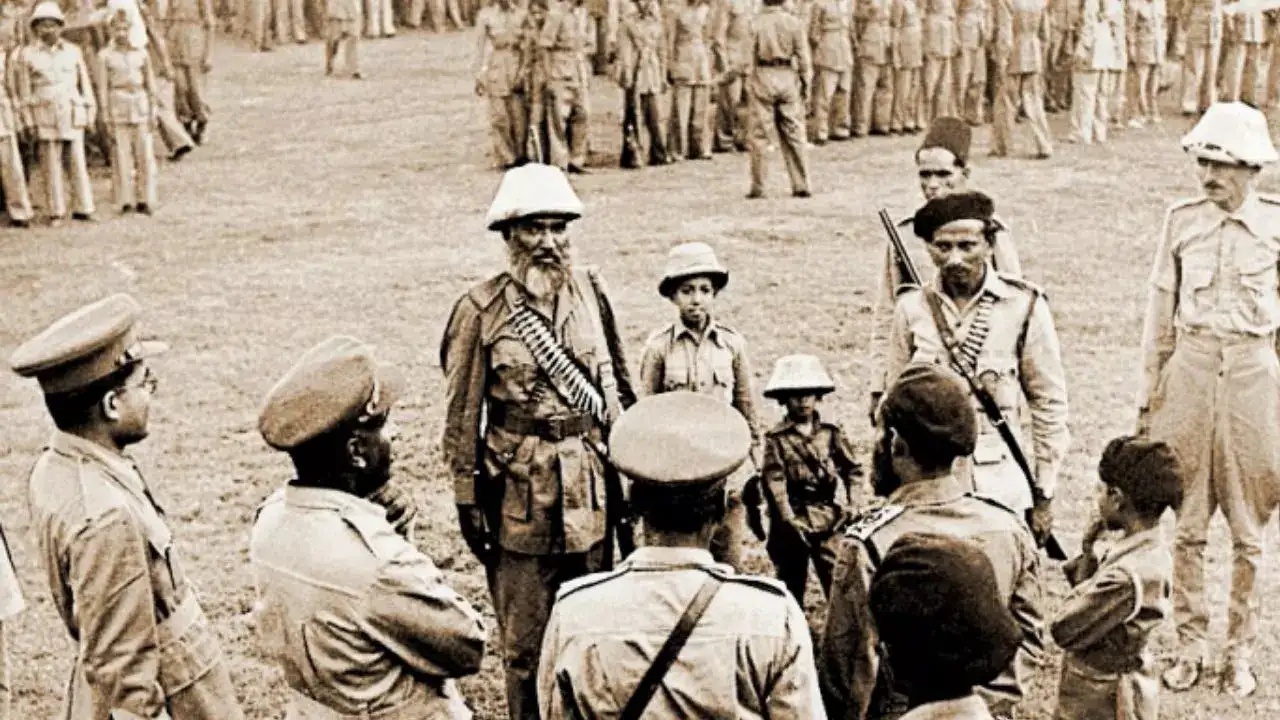
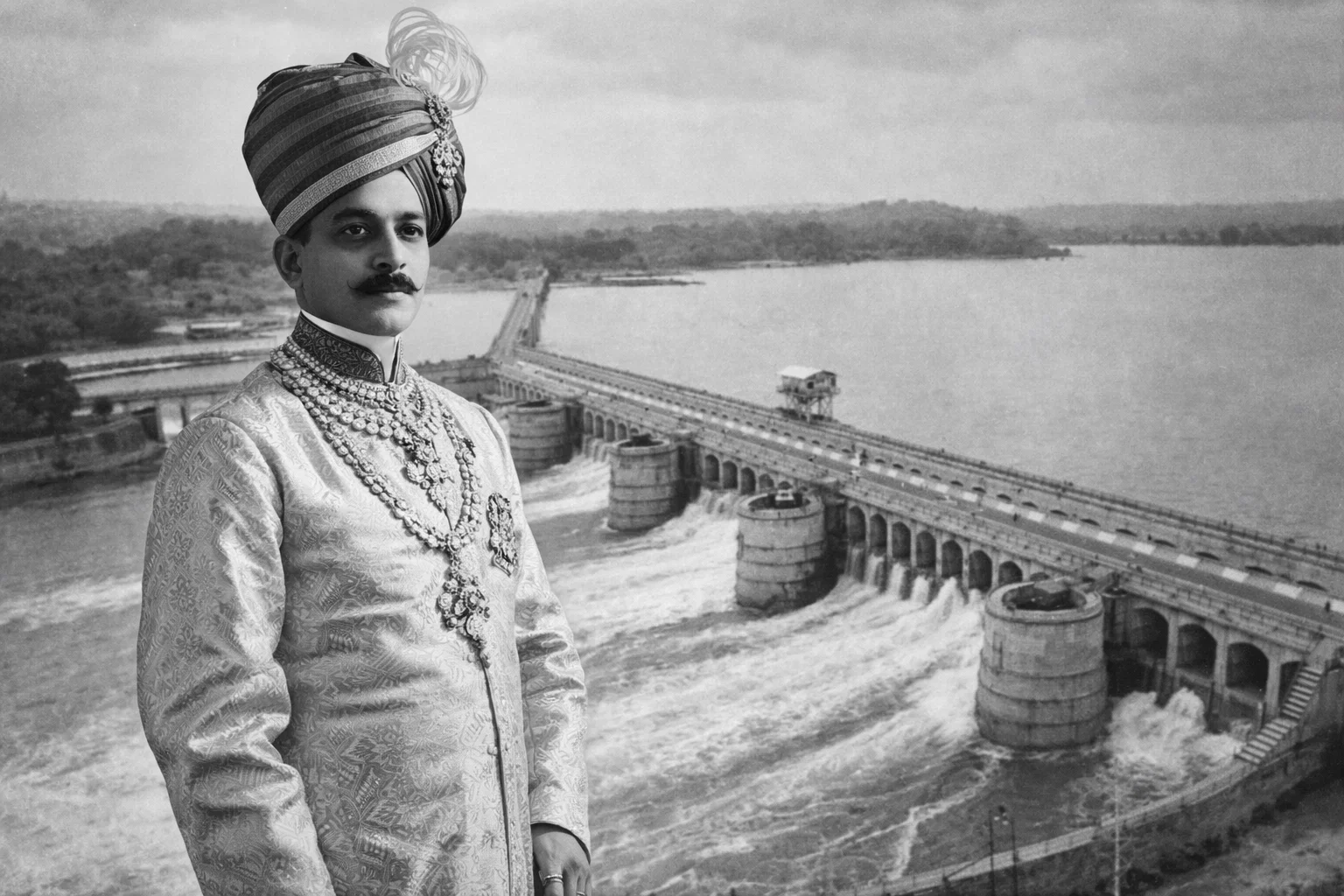
It is a truth, though not universally acknowledged, that many mistakenly believe the acquisition of great wealth and great power to be cumulative. The history of Operation Polo and the subsequent submission of Hyderabad’s Nizam to the government of India is a testament to this fact. For context, the then Nizam of Hyderabad was featured on the cover of TIME Magazine as “richest man on the planet”, back in 1937. But what is the real legacy of this erstwhile Nizam, who forced the Government of India to take the drastic step as big as Operation Polo?
The Nizam presided over 82000 square mile state, with 17 million people of which 85% were Hindus but politically controlled by Muslim elite. The Nizam sought independence aided by the Ittehad -ul-Muslimeen and its self-styled military wing ‘Razakars.’ Led by Qasim Rizmi, the Razakars terrorised villages, enforced loyalty to the Nizam and openly courted Pakistan. Reports of massacres, conversions and intimidation made their way into Delhi.
The government initially pursued a diplomatic approach. One of the largest and the richest princely states of the times, Hyderabad was locked in a to and fro with the Indian government for an entire year, from 1947 to 1948. The fact that it was landlocked in the heart of the country meant that it was a big threat to the national security of the entire nation.
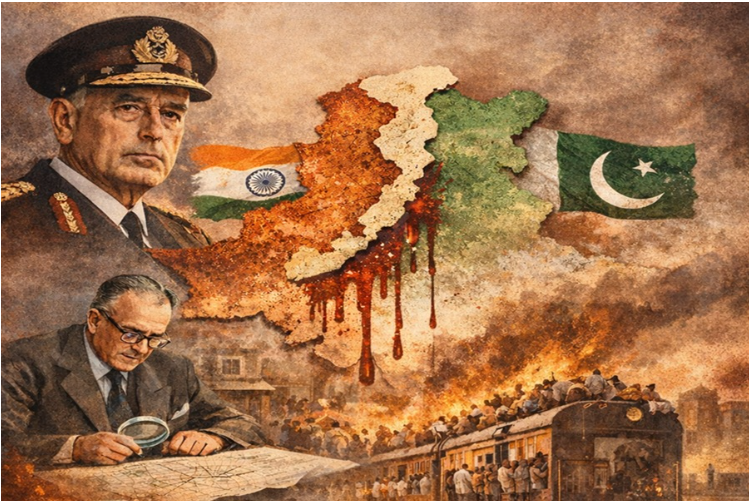
In the book, “The Integration of States”, VP Menon states, “in the early hours of September 13, 1948, Indian forces crossed into Hyderabad.” The Five day action which came in the aftermath was mildly named as ‘police action’- codenamed- Operation Polo- that ended the autocracy of the Nizam and reinstated something which was far more consequential than the former’s pride; a declaration that the nation’s unity was not up for negotiation.
A “Police Action” with urgency of war
The decision was taken on September 9, after months of failed negotiations with the Nizam’s government and escalating violence by the Razakars. Under the command of Major general JN Chaudhari, the Indian military intervention was two pronged: A main column along the Sholapur-Hyderabad road, and a diversionary thrust from Bezwada. Resistance was spirited at first, but soon collapsed. By September 17 the Razakars had surrendered and the following day, Maj Gen Chaudhari entered the city as Military governor.
The speed of the operation was crucial. Had Indian troops waited more, as the Hyderabad high command had assumed, key bridges would have been demolished by Lt TT Moore, an ex-British Army Commando who was employed by the Hyderabad army for arranging demolitions. Instead, in 108 hours, India secured its heartland and avoided a drawn out conflict that could have destabilized the fledgling republic.
Why was Sardar Vallabhai’s role the most crucial in Operation Polo?
Behind the scenes stood Sardar Vallabhai Patel, India’s First Deputy Prime Minister and Minister of States. Patel had little faith in the Nizam’s intentions even under the stand still Agreement of 1947. Sources suggest that he was more concerned about Hyderabad then Jammu Kashmir. To him, Hyderabad represented a dangerous anomaly; the sole authoritarian state in a democratic India, defying accession while fomenting communal strife.
Patel’s stance was clear. Accession was non-negotiable, responsible government was essential, and Hyderabad could not be allowed to remain “an isolated spot which would destroy the very Union we have built up with our blood and toil.” He confronted Hyderabad’s prime Minister, laik Ali, with evidence of Razakar atrocities, rejected repeated breaches of agreement and balanced Mountbatten’s appeals for patience with his own iron clad pragmatism.
After the surrender, Patel showed the statesmanship he has been all the while known for. The Nizam was retained as the constitutional head rather than humiliated, provided he pledged loyalty to the Union. It was a deft mix of firmness and conciliation– the firmness that achieved accession and the tact that stabilised it preventing further conflict.
Why was Operation Polo necessary?
- Law and Order: Razakar militias had unleashed tremendous violence on Hindus and dissenters, creating an atmosphere of fear that undermined civil authority.
- Geo-politics: Hyderabad’s overtures to Pakistan and its international campaign for recognition threatened to turn the Deccan into a foreign enclave inside India.
- Unity and precedent: Allowing Hyderabad to remain aloof would have emboldened other princely states to resist integration, weakening the cohesion of the new Union.
Echoes in the present
Seventy Seven years on, Operation Polo remains more than a footnote. Its lessons resonate today as present day India confronts challenges such as the Sikh extremism and other religious radicalisations. Various entities push for setting examples of peace, in their fragmented ideas. Patel’s clarity is something which we could all learn from. That unity can not be bartered, any ounce of exceptionalism threatens the whole.
The response to such challenges today need not and should not, be military. However, the principle here is– when the Union is tested, its leaders must combine firmness with fairness; and designate that national integrity as non- negotiable.
.png)