August 2, 1858: From British Crown’s Clutches to the Triumph of Indian Independence

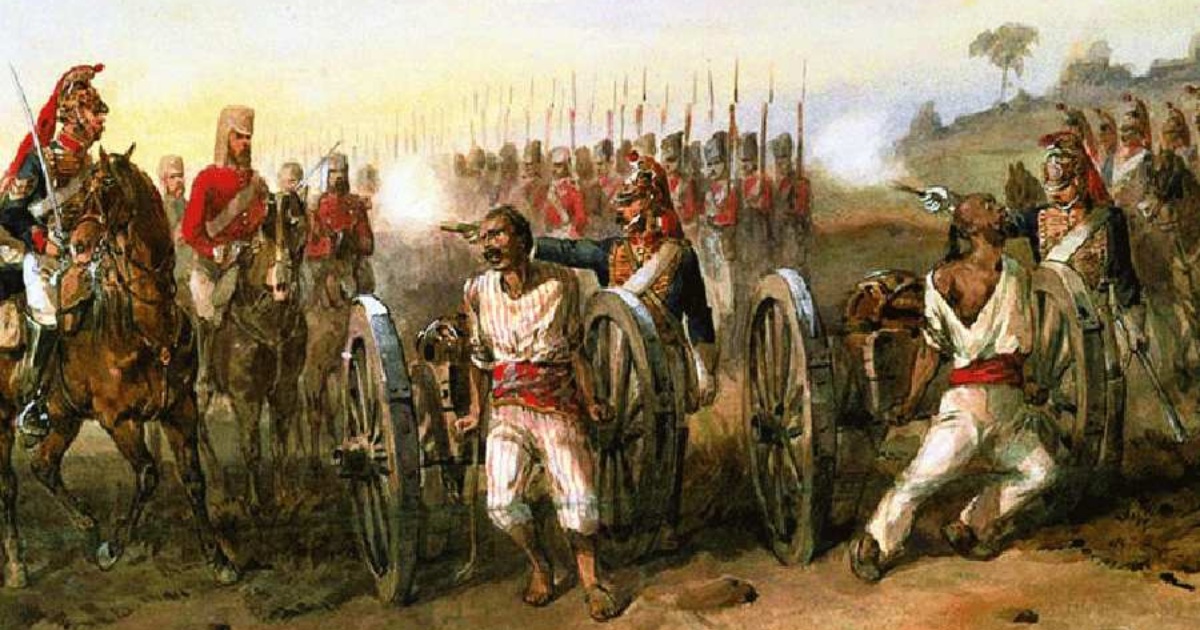
On August 2, 1858, the rule of the East India Company in India formally came to an end, and the country came directly under the control of the British Crown.
The Government of India Act 1858, passed by the British Parliament, transformed India into a formal colony of Britain, marking the official beginning of British colonial rule.
This was a turning point that extinguished the remaining hopes of India’s political independence and strengthened British control for the next 89 years.
Let us reflect today on that period between 1858 and 1947, a time when India was ruthlessly looted, exploited through harsh laws, and yet the flame of freedom continued to burn within the hearts of Indians.
In this article, we will explore the major events during those 89 years that ultimately forced the British to leave India.
Why Did India Come Under Direct British Rule?
In 1857, India witnessed its first major war of independence, known in British history as the Sepoy Mutiny or the Indian Mutiny. This uprising erupted like a volcano of anger against British rule, involving kings and queens, soldiers, peasants, landlords, and common people. Though the East India Company managed to suppress the revolt, its administrative weaknesses and cruelty were exposed. The British realized that India could no longer be governed by a company and must be brought directly under the control of the British government to ensure more organized and stronger rule.
What Changed After Coming Under the British Crown?
On August 2, 1858, the British Parliament passed the Government of India Act, which officially ended the East India Company’s rule and brought India directly under the British Crown.
India was formally declared a British colony. This act introduced major administrative changes:
Queen Victoria became the official sovereign of India and issued a Proclamation in 1858, promising to protect the religion, traditions, and property of the Indian people. This was done to calm down the anger and unrest.
The Governor-General of India was now titled “Viceroy”, acting as the British Monarch’s representative in India. Lord Canning became the first Viceroy.
A new post of Secretary of State for India was created in London to oversee Indian affairs. He was assisted by a council for smooth administration.
All military, land, assets, and administrative powers of the East India Company were transferred to the British Government. Thus, India shifted from being ruled by a trading company to a formal part of the British Empire.
ALSO READ: ‘Non-Cooperation Movement: Journey from the First People’s Revolution to Its Withdrawal”
British Rule: Era of Loot and Exploitation (1858–1947)
From 1858 to 1947, India was more than just a colony—it was a golden goose for British wealth. The land once called the “Golden Bird” was plundered for its gold, silver, diamonds, crops, and other resources.
While Britain prospered with railways, industries, and wealth, Indians were left to suffer hunger and poverty.
The railways built by the British in India were not for public welfare but to transport their goods and troops.
The Zamindari system was strengthened to extract more land revenue from farmers. Trade policies were crafted to destroy Indian handicrafts and cottage industries, flooding the Indian market with British goods.
Famines devastated India:
1876–78
1899–1900
1943 Bengal Famine
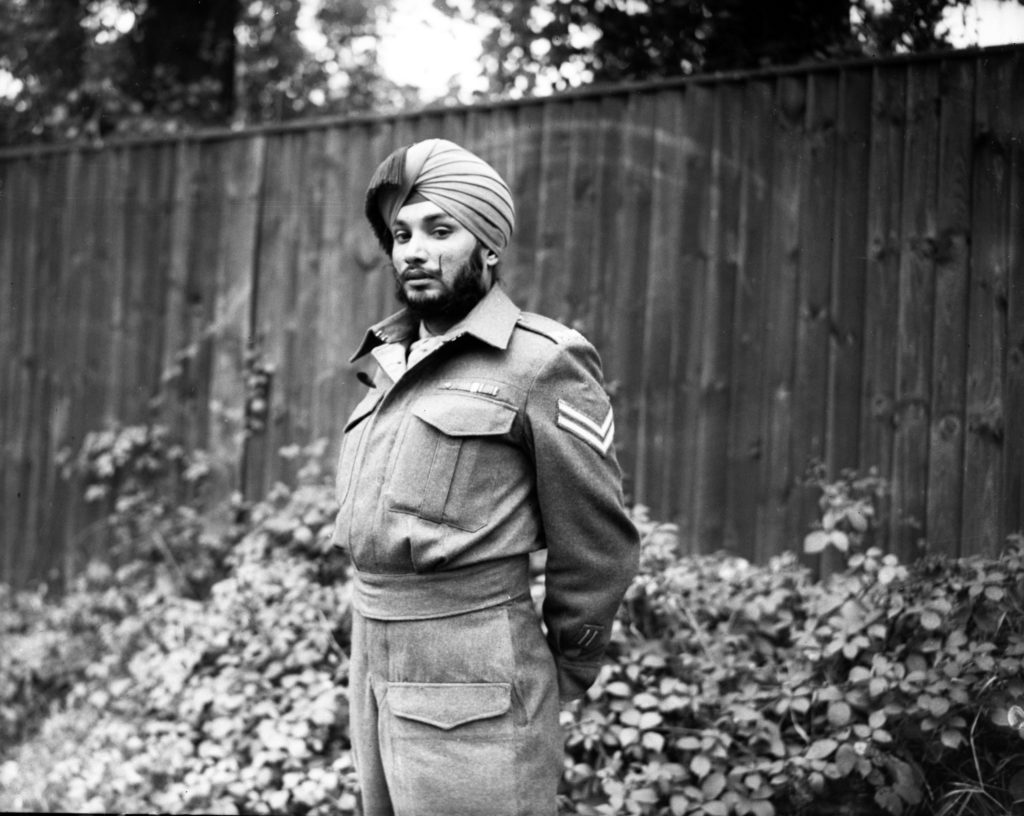
Millions died while being forced to grow cash crops like indigo and opium for British benefit. Indian soldiers were sent to fight in both World Wars, sacrificing their lives, yet their martyrdom remained ignored by the Crown.
The Jallianwala Bagh massacre of 1919 exposed the brutal and inhumane face of British rule.
Key Events That Became the Pillars of India’s Freedom Struggle From 1858 to 1947, this was not merely a timeline—it was 89 years of continuous resistance, fueled by sacrifice and struggle.
1885: Formation of the Indian National Congress On December 28, 1885, the Indian National Congress was formed in Mumbai. Its first President was A.O. Hume, a retired British civil servant. Initially focused on moderate reforms, the Congress eventually evolved into a powerful force demanding Swaraj (self-rule).
1905: Partition of Bengal and the Swadeshi Movement On October 16, 1905, Lord Curzon partitioned Bengal under the pretext of administrative reasons. In reality, the aim was to divide Hindus and Muslims and strengthen the British policy of “Divide and Rule”.
This move sparked widespread protests across India and led to the Swadeshi Movement, where Indians boycotted foreign goods and promoted indigenous products. Foreign clothes were burnt, and rallies were held nationwide. It marked the beginning of economic nationalism and sowed the seeds for mass movements.
1919: Jallianwala Bagh Massacre On April 13, 1919, during the Baisakhi festival, thousands gathered peacefully in Jallianwala Bagh, Amritsar, to protest the Rowlatt Act and arrest of leaders. General Reginald Dyer, without warning, ordered troops to fire on the unarmed crowd.
Official British count: 379 killed, 1200 injured
Indian sources: Over 1000 dead, 2000+ injured
Many jumped into a well to escape bullets and died. The incident shocked the nation and ignited intense hatred and anger against British rule.
1920: Non-Cooperation Movement On August 1, 1920, Mahatma Gandhi launched the Non-Cooperation Movement in response to British injustice, including the Jallianwala massacre. Indians were urged to boycott British institutions, titles, schools, and goods. Gandhi emphasized a non-violent, truth-based approach to weaken British foundations and instill self-respect and unity among Indians.
1930: Civil Disobedience Movement & Dandi March In 1930, Gandhi led the Civil Disobedience Movement, beginning with the iconic Dandi March on March 12.
Gandhi and 78 followers walked 240 miles (390 km) in 24 days to the coastal village of Dandi, Gujarat.
On April 6, 1930, Gandhi broke the British Salt Law by making salt from seawater.
This act triggered mass civil disobedience:
Boycotts of foreign goods
Refusal to pay taxes
Massive participation by women, students, farmers, and workers
The British responded with repression. Over 90,000 people, including Gandhi, were arrested. Yet the movement gave a new momentum to the freedom struggle and empowered the common man with self-belief and political awareness.
1942: Quit India Movement On August 8, 1942, Gandhi gave the historic call for “Quit India” from Gowalia Tank Maidan, Mumbai, declaring: “Do or Die”. This came during World War II, when British strength was weakening. Top leaders like Gandhi, Nehru, Patel were jailed immediately, but the movement spread like wildfire.
Railway tracks were uprooted
Telephone wires cut
Police stations attacked
Parallel governments were formed in places like Ballia (U.P.), Satara (Maharashtra), and Tamluk (Bengal)
British repression was brutal:
60,000+ people arrested
10,000+ killed
The Quit India Movement turned into the final battle cry for freedom, uniting the entire nation against British rule.
A Legacy of Pain and Pride
The period from 1858 to 1947 was a time of plunder, cultural assault, and soul-crushing oppression for India. Yet it was also the era when India discovered its strength, reconnected with its roots, and understood the value of freedom.
When the British Crown formally exited India on August 15, 1947, it wasn’t just a political change.
It was the culmination of 89 years of relentless suffering, determination, and unbreakable courage.
It was the echo of a billion voices that said—India shall be free.
.png)