Kargil Vijay Diwas: A Salute to the Bravehearts and Their Victory

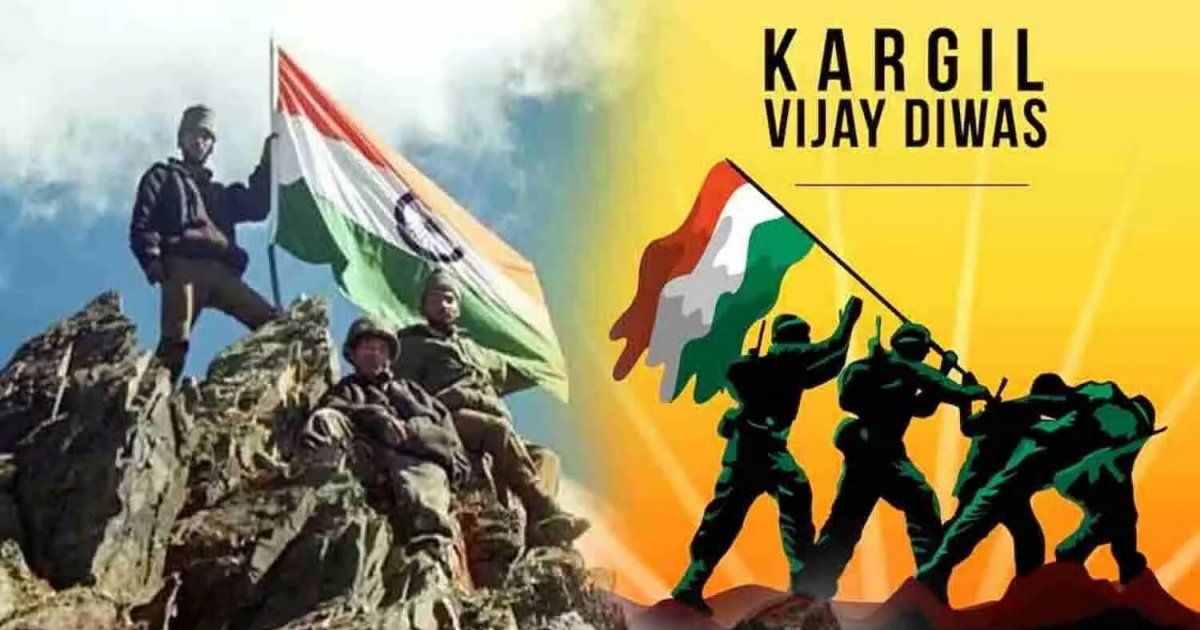
Every year on July 26, India commemorates Kargil Vijay Diwas, a day of great pride and memories. It honours the 1999 Kargil War victory of the Indian military over Pakistani intruders. On this day, Indian soldiers who defended their country’s sovereignty in one of the most difficult high-altitude battlegrounds in contemporary military history are honoured for their valour, perseverance, and ultimate sacrifice.
Understanding the Historical Roots of the Kargil War
The 1999 Kargil War stemmed directly from Pakistani terrorists and soldiers strategically infiltrating Indian territory in the Kargil region of Jammu and Kashmir over the Line of Control (LoC). These intruders, posing as Kashmiri insurgents, gained a considerable tactical advantage by taking control of important mountain tops and ridgelines. In addition to disrupting Indian supply lines to Siachen and cutting off India’s logistical link between Kashmir and Ladakh, Pakistan’s military leadership sought to internationalise the Kashmir issue by pressuring India to engage in talks. The vulnerability of peace efforts was made clear by this betrayal of confidence, particularly in light of the Lahore Declaration that had been signed only months previously.
Decades of unresolved animosity between India and Pakistan since British India was divided in 1947, leaving Kashmir as a disputed territory. Although there were still ongoing claims from both sides, the LoC became the de facto border after the first Indo-Pakistani War in 1947–1948 and the subsequent wars in 1965 and 1971. The strategic importance of high-altitude warfare was further demonstrated during the Siachen battle in the 1980s. Tensions increased during the 1990s as a result of Pakistan’s continued backing of terrorism and separatist activities in Jammu and Kashmir.
By taking advantage of India’s undefended winter-vacated stations, the Kargil infiltration was a bold attempt to change the status quo. After the infiltrators were found, India began a resolute military assault known as “Operation Vijay” to drive them out. Under international scrutiny, the conflict revealed Pakistan’s deception and upheld India’s territorial integrity. It changed South Asia’s military policy and diplomatic stance, marking a watershed in Indo-Pak relations.
Operation Vijay and India’s Kargil Counterattack
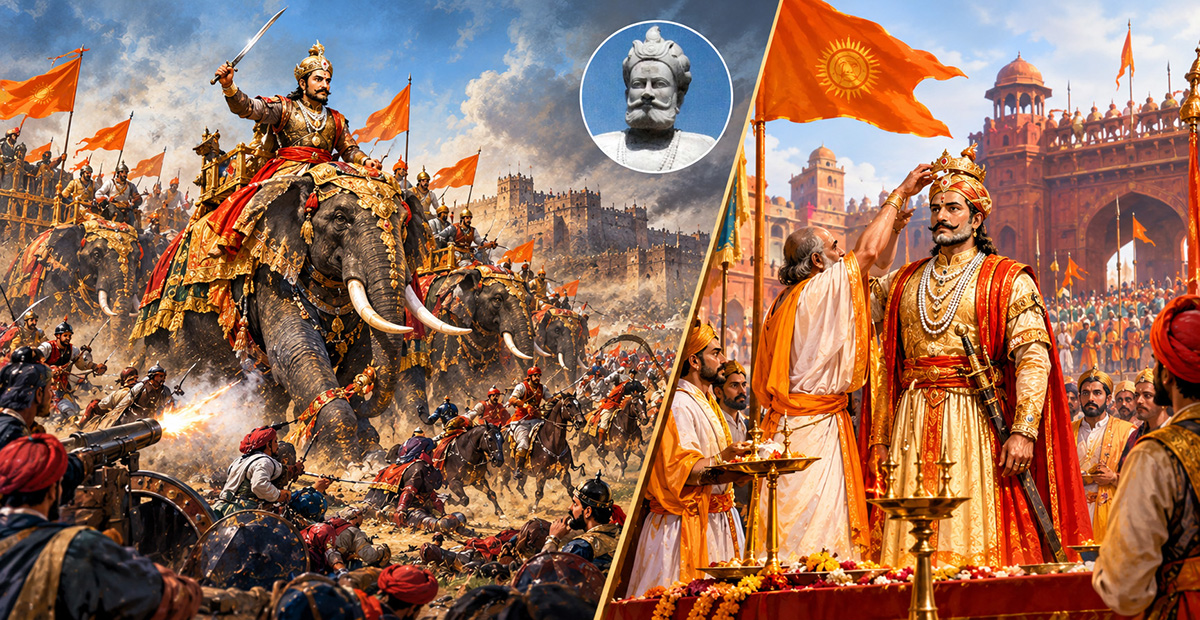
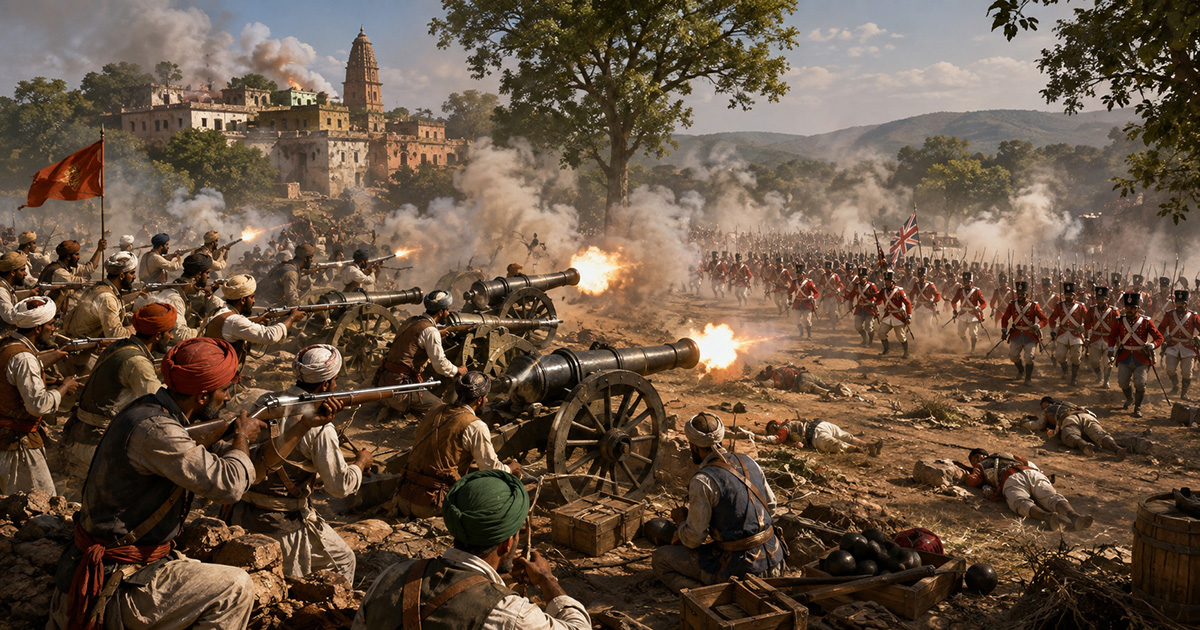
In response to Pakistan’s high-altitude intrusion in Kargil, India launched Operation Vijay in May 1999, a massive and coordinated military offensive involving the Indian Army, Indian Air Force (under Operation Safed Sagar), and paramilitary forces. The mission’s goal was clear: evict the intruders, reclaim occupied peaks, and restore the sanctity of the Line of Control (LoC). The operation was conducted under extraordinarily challenging conditions, with troops fighting in freezing temperatures and rugged terrain above 16,000 feet.
ALSO READ: ““Ye Dil Maange More”- Remembering Captain Vikram Batra, the Lionheart of Kargil”
Initial efforts focused on containing the infiltrators within their positions to prevent reinforcement. India then executed a carefully planned multi-pronged strategy: intense artillery bombardment to weaken enemy posts and sever supply lines, followed by daring infantry assaults on strategic ridgelines. Air power played a critical role, with the Indian Air Force delivering precision strikes to support ground troops.
Significant triumphs at Tololing, Tiger Hill, and Point 4875 served as both tactical and symbolic turning points. The Srinagar-Leh highway, a crucial conduit for military supplies in Ladakh, was visible from these summits. In addition to destroying the enemy’s tactical edge, their capture also damaged Pakistan’s reputation.
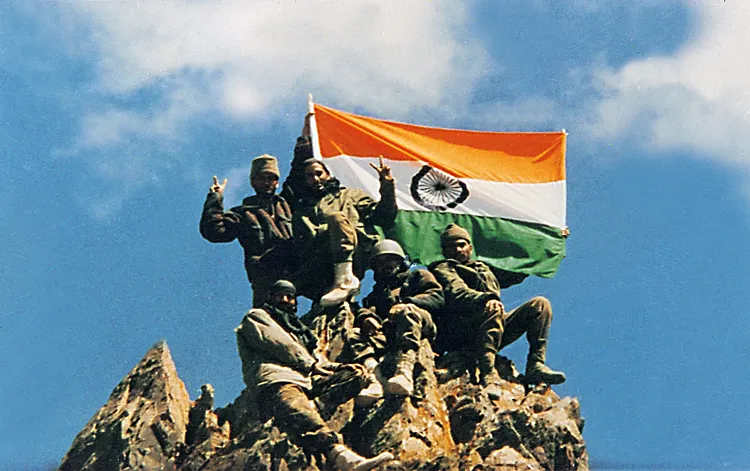
Indian soldiers reclaimed the majority of the held region by July 26, 1999, which compelled Pakistan to withdraw. An overwhelming triumph, Operation Vijay demonstrated India’s military might, strategic planning, and the unwavering determination of its troops. In addition to celebrating the bravery of those who fought in the conflict, Kargil Vijay Diwas also observed every year to honour India’s resolve to protect its territorial integrity.
Unsung Heroes: Exploring the Lives and Sacrifices of Kargil’s Heroes
Indian soldiers who battled with unflinching conviction and displayed unsurpassed bravery and sacrifice are honoured on Kargil Vijay Diwas. Out of all the stories of bravery, Captain Vikram Batra’s bravery for which he was given the Param Vir Chakra, stands out. Known for his catchphrase, “Yeh Dil Maange More!” he led fearless attacks and sacrificed himself to save a fellow officer. Additionally a recipient of the Param Vir Chakra, Lieutenant Manoj Kumar Pandey led a nighttime attack with courage, guaranteeing the mission’s success in spite of his fatal injuries. The nation’s highest military honour was awarded to Grenadier Yogendra Singh Yadav, who survived the conflict despite suffering terrible wounds by scaling sheer cliffs under enemy fire and demolishing enemy fortifications.
The courage of more than 500 men who gave their lives and many more who suffered injuries during combat are captured in these tales. Their bravery and commitment preserved India’s boundaries and gave a legacy of honour and patriotism that remains.
Why Kargil Vijay Diwas Still Matters to India
Kargil Vijay Diwas is a genuine tribute to the sacrifice and selflessness of Indian soldiers who bravely defended the country, not just a celebration of victory. Every person is reminded of the courage, professionalism, and tenacity of the military services on this day, which is a significant representation of national pride. It also serves as an eye-opening caution, as the Kargil battle revealed significant intelligence failures and led to important changes in India’s defence and intelligence infrastructure. The war improved the armed services’ morale by reinforcing confidence in India’s military might and cohesion. Schools, institutions, and communities all around the nation commemorate the day by planning activities that pay tribute to the martyrs and raise awareness of the importance of the war and its heroes.
Bridging Grief and National Jubilation
Kargil Vijay Diwas is commemorated with solemn reverence at iconic national landmarks and across the country. At the Amar Jawan Jyoti in India Gate, New Delhi, the Prime Minister and top defense officials pay homage to the fallen heroes. The Kargil War Memorial in Dras, Ladakh, serves as the central site for official ceremonies, including wreath-laying, military tributes, and cultural events. Across India, citizens observe two minutes of silence, hoist the national flag, and participate in marches, street plays, exhibitions, and seminars—ensuring the legacy of the brave soldiers continues to inspire generations.
The Lessons and Legacy of the Kargil Conflict
The Kargil War served as a turning point in India’s strategic and military posture, prompting significant reforms. One of the key outcomes was strengthened border surveillance, with the deployment of high-tech monitoring equipment along the Line of Control to prevent future intrusions. Intelligence coordination was overhauled through the establishment of the Defence Intelligence Agency and the Technical Support Division, addressing previous lapses. The war also catalyzed the modernization of the armed forces, accelerating the procurement of advanced weapons, specialized winter gear, and mountain warfare equipment. Additionally, it fostered stronger civil-military cooperation and deepened public appreciation for India’s defense forces.
Kargil Vijay Diwas stands as a strong testament to India’s indomitable spirit, national unity, and the unparalleled valor of its armed forces. It is not merely a date, but a symbol of resilience and sacrifice that continues to inspire generations. The heroic deeds of soldiers who fought and fell in the harsh terrains of Kargil remain deeply etched in the nation’s heart. Each year on July 26, as India bows in reverence, it reaffirms its commitment to honor their legacy and defend the ideals it upheld. As Captain Vikram Batra once said, “If death strikes before I prove my blood, I swear I’ll kill death.”
.png)