Non-Cooperation Movement 1920: Gandhi Led, But Indians Had Already Rebelled, All You Need to Know About the Truths

1. Launch of the Non-Cooperation Movement by M.K. Gandhi
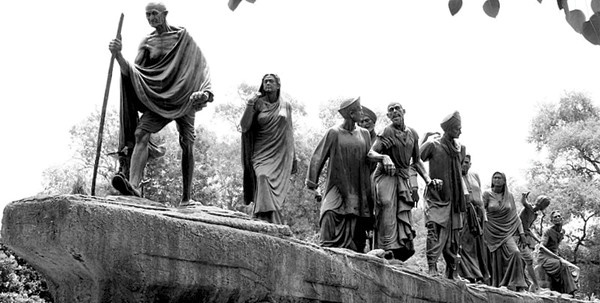
On 4th September 1920, the Indian National Congress, under Mahatma Gandhi’s leadership, officially launched the Non-Cooperation Movement during a special session held in Calcutta (now Kolkata). This movement was a response to multiple colonial injustices, including:
- The Jallianwala Bagh Massacre (1919)
- The Rowlatt Act (1919)
- The Khilafat Issue (1919–1924)
The movement marked the first nationwide attempt at mass civil disobedience and withdrawal of cooperation from the British government.
Key features included:
- Boycott of British goods, schools, titles, and law courts
- Promotion of Swadeshi goods, especially khadi
- Surrender of official posts and honors
In its early phase, the movement attracted millions of Indians, especially from urban centers and politically aware rural belts, making it the largest coordinated political protest in Indian history up to that point.
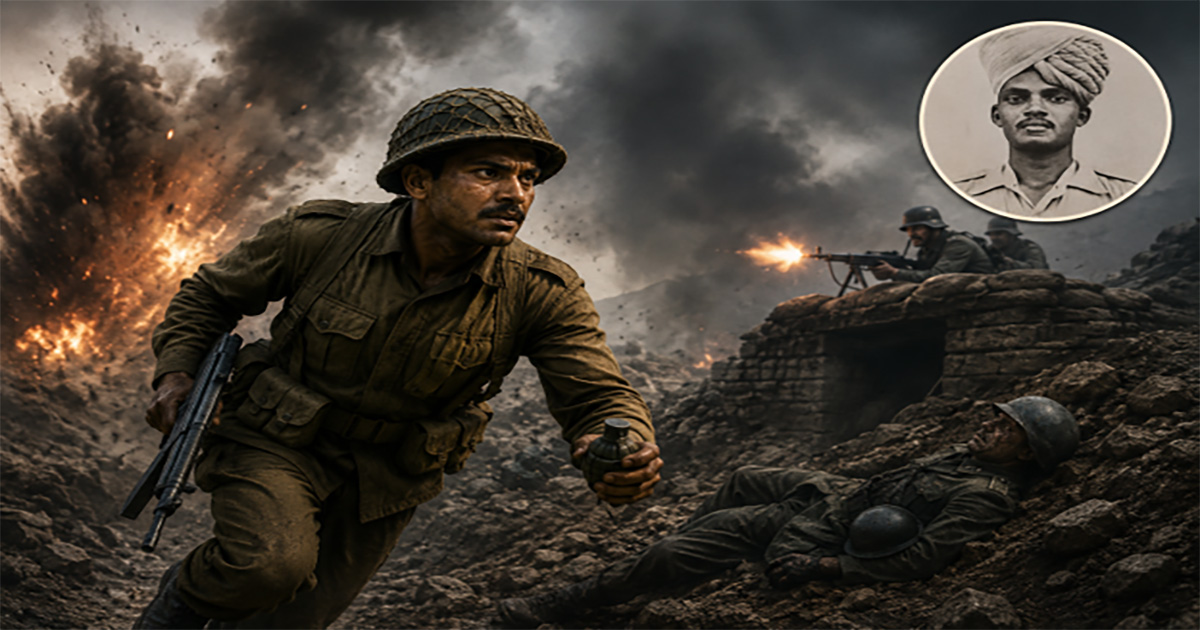
More than 30,000 people were arrested by early 1922. However, the movement was abruptly called off on 12th February 1922, following the Chauri Chaura incident, in which 22 policemen were killed.
The Jallianwala Bagh Massacre (1919)
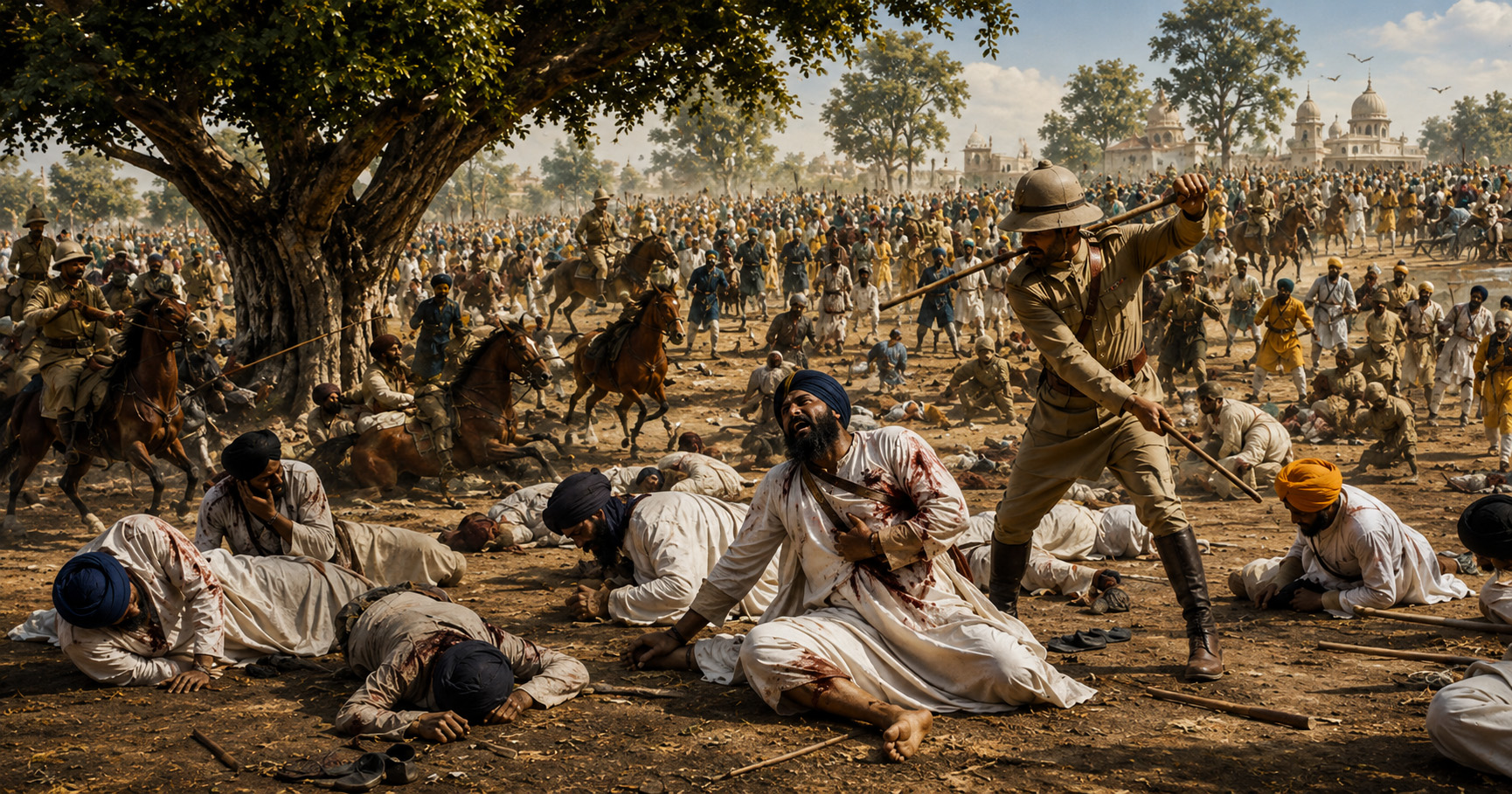
The Jallianwala Bagh Massacre on 13 April 1919 marked a brutal turning point in India’s freedom struggle. Under orders from General Dyer, British troops opened fire on a peaceful gathering in Amritsar, killing 379 officially (actual numbers estimated to be over 1,000) and injuring more than 1,200. The massacre sparked nationwide outrage, uniting Indians across communities against colonial repression, and directly influenced the launch of the Non-Cooperation Movement in 1920. British records, including the Hunter Committee Report, admitted to indiscriminate firing but justified it in colonial terms.
The Rowlatt Act (1919)
On 18 March 1919, the British enacted the Anarchical and Revolutionary Crimes Act, popularly known as the Rowlatt Act, extending wartime emergency powers into peacetime. It allowed indefinite detention without trial, juryless, in-camera trials, strict press censorship, and warrantless searches. The law triggered widespread national hartals and mass protests, culminating in Gandhi’s Rowlatt Satyagraha and the tragic Jallianwala Bagh massacre later that year.
The Khilafat Issue (1919–1924)
Indian Muslims launched the Khilafat Movement (1919–1924) protesting post‑WWI British dismantling of the Ottoman Caliphate under the Treaty of Sèvres. Led by the Ali brothers, Maulana Azad, and others, it formed the All‑India Khilafat Committee in 1919, merging with Gandhi’s Non‑Cooperation Movement by mid‑1920 for mass boycott campaigns. Gandhi headed the Central Committee in Allahabad (June 1920), formalizing joint action. The movement lost momentum due to extremist Moplah violence (1921), Gandhi halting Non‑Cooperation after Chauri Chaura (1922), and Turkey abolishing the Caliphate (1924).
2. Historical Groundwork
Was the Non-Cooperation Movement Truly National?
ALSO READ: ‘7 Facts About Shaheed Rajguru – The Revolutionary Who Became Immortal at Just 22″
Though widespread, the 1920–22 movement saw patchy reach: urban centers engaged heavily, but many tribal, rural, and frontier communities were largely unaffected. Hill tribes in Andhra, Kumaun peasants, and Awadh farmers joined, yet Northeast and remote regions remained peripheral due to poor communication and local priorities.
Regional gaps, tribal exclusions, and the ignored Northeast
Tribal regions like the Northeast stayed marginal, isolated by geography, colonial isolation policies, and local governance, leaving them outside mass mobilization. The British labeled them separate “frontiers”, making participation in the 1920s non‑cooperation minimal or symbolic.
Who remained untouched by the movement and why?
Remote hill tribes (e.g., Naga, Mizo, Khasi) remained detached, and language barriers, missionary influence, and lack of agitational infrastructure kept them outside. British frontier rules meant many tribal societies continued traditional governance, sidelining the nationwide campaign.
The Trigger: Why Jallianwala Bagh was the People’s Red Line, Not Just Gandhi’s
The 1919 massacre shocked the Indian conscience; hundreds were killed without warning, breaking national trust in colonial rule. Public outrage spread via the press and petitions, uniting Hindus, Muslims, and even Christians around anti-colonial sentiment.
Shift the focus from Gandhi to the masses’ anger
Jallianwala acted as a catalyst for mass unrest; workers, students, and peasants were already agitated under repressive laws. Gandhi’s non‑cooperation harnessed existing dissatisfaction, it wasn’t instigated by him, but by the people’s anger.
Explore how Indians themselves were already boiling – Gandhi just caught the tide
Prior to Gandhi’s national call, local protests erupted: hill tribes defied forest rules, Awadh peasants denied tax, and urban workers and students struck. These rebellions formed the groundwork, and Gandhi’s launch unified them under a national banner.
Pre‑Gandhi Resistance Movements That Built the Foundation
From 1905–1918, assertive nationalism surged via Lal–Bal–Pal’s agitation (‘Swaraj is my birthright!’) and Sri Aurobindo’s Bande Mataram, educational, boycott, and non‑cooperation tactics had deep roots well before 1920.
Role of Lokmanya Tilak, Sri Aurobindo, and revolutionaries
Tilak popularised Swadeshi, festivals, and bold speeches; Aurobindo fused spiritual-nationalist writing in Bande Mataram; revolutionary groups like Anushilan Samiti fostered militant anti‑British sentiment. These movements stress-tested and primed India for mass non‑cooperation.
Gandhi joined late – India was already resisting
By the time Gandhi arrived (1915), India had been home to militant, cultural, and literary resistance: Tilak, Aurobindo, and revolutionaries had propelled nationalism. Gandhi’s contribution lay in consolidating these elements into broad-based mass action in 1920.
3. Critique of Congress/Gandhi Strategy
The Abrupt Withdrawal After Chauri Chaura: A Betrayal of Indian Momentum? After the Feb 4, 1922, Chauri Chaura violence led to 22 policemen’s deaths, Gandhi immediately halted the Non-Cooperation Movement nationwide. He felt the masses lacked sufficient training in non-violence, a decision Nehru and others later criticized as premature, given the movement’s rising momentum.
Did the Non‑Cooperation Movement Protect British Interests More Than It Hurt Them? Though the boycott reduced imports (e.g., foreign cloth dropped from ₹102 cr to ₹57 cr between 1921–22), British mills and traders often absorbed demand. Government revenue remained relatively stable; colonial rule endured.
Khadi and Boycott: Real Economic Impact or Symbolic Politics? Khadi symbolized self-reliance but was 6× costlier than mill cloth, boosting moral identity rather than mass affordability. The initial khadi boom saw production growth, yet it remained limited to elites and the urban middle class.
Break Down Data: Did Indians Truly Benefit? Khadi board revenues jumped ~40% (₹2.4 m to ₹3.35 m) in 1926–27. Wages for spinners increased up to 200% in some areas, but artisans earned ₹150–200/day, below agricultural labor, limiting broad economic uplift.
4. Alternative Voices and Parallel Movements
Revolutionaries Who Rejected Non‑Cooperation- but Loved India Bhagat Singh, Subhas Chandra Bose, and Chandra Shekhar Azad critiqued Gandhi’s passive stance, advocating armed resistance. Singh’s HSRA threw Assembly bombs (1929) and avenged Lajpat Rai’s death. Bose formed the INA to fight alongside Axis powers. Azad joined HRA post-1922, leading direct action efforts.
“Bhagat Singh’s actions were…an act of bravery against the domination of Authority.” “Subhas Chandra Bose…moving in the right direction by forming the INA with the help of Japan.”
Why Some Nationalists Opposed Gandhi’s Approach, but Not India’s Freedom Sri Aurobindo and Lala Lajpat Rai supported full Swaraj via assertive action. Rai criticized ahimsa as insufficient, insisting “vigorous struggle is the law of progress”. Aurobindo’s Bande Mataram campaign promoted national education and direct mobilization, embedding radical ideas into public consciousness.
5. Legacy and Long-Term Impact
Was Gandhi’s Non‑Cooperation a Delay or a Step? A Realistic Audit Gandhi’s 1922 withdrawal paused momentum but sharpened mass political consciousness. It forged national unity and launched successive campaigns (Civil Disobedience, Quit India), making it a foundational step. Complete independence came only in 1947—27 years later. Arguably, armed rebellion could’ve accelerated outcomes, but nonviolent groundwork sustained cohesion. India’s Freedom Struggle
How the British Used the Non‑Cooperation Movement to Study and Control Indian Minds British intelligence leveraged arrests, surveillance, and propaganda to map nationalist networks. Martial law tech in Punjab and Uttar provinces revealed local activists. They placed informants, monitored khadi boards, and censored media, tactics later refined during Quit India.
Use of Intelligence, Arrests, and Propaganda In 1920–22, colonial authorities detained thousands, broke activist cells, and spread stories of nonviolence being “chaotic” to undermine momentum. British railways, police, and the press created “Satyagraha crime” narratives to fracture confidence and scare neutrals.
6. British Documents Reveal: The Movement Scared Some but Not All Colonial Officials
British Officials’ Fear of Gandhi British intelligence saw Gandhi as an unpredictable enigma, provoking secretive “top secret” archives around 1922–30. Some feared possible violence despite his nonviolent stance, while others downplayed threats, calling him theatrical. Panic centered on specific rumors, not widespread Indian revolt.
British Documents Reveal: The Movement Scared Some but Not All Colonial Officials Some officials called Gandhi a “menace” who required suppression, while others treated his Salt March and civil disobedience as largely symbolic and “manageable” theatrics. Home Department assessments often dismissed mass response as limited drama, not actual insurrection.
How Congress Benefitted Politically, but Indians Paid the Price
Congress’s rise (1920–1942) enhanced political cohesion and global visibility. Yet, local Indians bore fines, imprisonment, disrupted livelihoods, and even violence. Leaders built an image; every day, participants faced jail, flogging, property loss, and economic hardship.
.png)