October 1983: Terror in Transit – The Dhilwan Bus Massacre and the October Onslaught in Punjab

In the autumn of 1983, the land of Punjab witnessed a new kind of terror– cold, calculated, and terrifyingly intimate.
A question, “What is your religion?” The answer– Hindu– was enough to seal a death warrant.
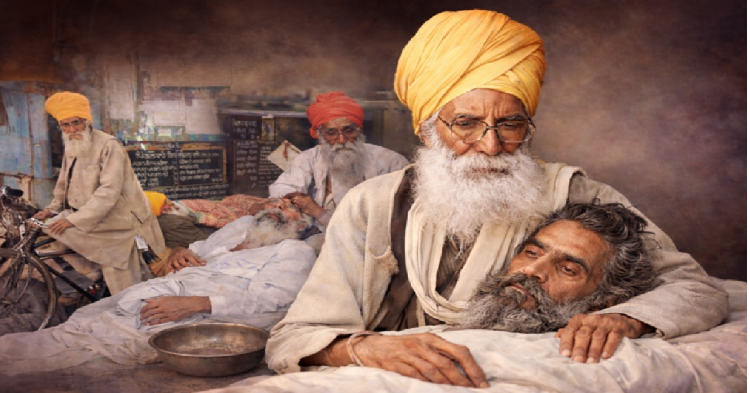
Between 1981 and the 1990s, Punjab, India’s grain basket, was gripped by an armed separatist insurgency that claimed over 11,000 lives. Hidden within those statistics lies a particularly brutal chapter– the systematic targeting and slaughter of Hindu civilians by Sikh extremists. What began as political agitation soon developed into religious cleansing– an undeclared genocide that claimed more than 35,000 lives, as later acknowledged by former Punjab Chief Minister Captain Amarinder Singh in Parliament in 2014.

(Image Source: Punjab Files/ Twitter)
This story reveals how faith became fatal.
The Dhilwan Bus Massacre– When Terror Boarded a Bus
October 5, 1983:When faith became a Death Sentence
On the evening of October 5, 1983, a Punjab Roadways bus departed from Kapurthala for Jalandhar, carrying approximately twenty passengers. Among them were men heading home, laborers seeking work, and families visiting relatives – none knowing that the journey would end in bloodshed.
As the bus neared Bhullar village, armed men stopped it and stormed inside. Witnesses recall them ordering the driver to halt in a deserted stretch. Then came the chilling question: “Who among you is Hindu?”
Seven men were dragged out and lined up on the roadside. In a deafening burst of gunfire, six were shot dead instantly. Their only crime– belonging to a faith that the separatists sought to erase from Punjab’s soil. One young man survived by pretending to be dead, his body drenched in the blood of his fellow passengers. It was his testimony that later revealed the full horror of the Dhilwan bus massacre.
A woman and her teenage son were spared– an act of selective mercy that only deepened the cruelty of that night. When the killing spree ended, the attackers commandeered the bus, drove it several kilometers, and abandoned it after forcing the remaining passengers off.
The next morning, Punjab awoke to a nightmare defining a decade. Fear swept through villages– schools remained shut, markets closed, and Hindu families began to flee towns that had been symbols of harmony. Within 24 hours, the government imposed President’s Rule on October 6, 1983, signaling that Punjab had descended into lawlessness and animosity.
A Chain of Carnage: October 15–21, 1983
October 15, 1983 -The Ram Leela and Ludhiana Attacks
Before the Dhilwan victims could even be cremated, Punjab was struck again. On October 15, 1983, Extremists hurled grenades at a Ram Leela celebration in Chandigarh’s Sector 22. Three people were killed and over 25 were wounded.
On October 16, 1983 the Durga Mata Mandir in Ludhiana was attacked.(HOW??) Details of the attack The message was unambiguous: the terror was religious in intent, and Hindus were the chosen target. These events destabilized Punjab, and the Indira Gandhi government dismissed the elected Congress government and imposed President’s Rule. This period uprooted countless families, leaving behind widows and orphans to weep.
October 21, 1983-The Mandi Gobindgarh Train Massacre

(Image Source: Āryā_Anvikṣā/ Twitter)
Barely two weeks later, on October 21, 1983, tragedy struck again. This time on the railway tracks of Mandi Gobindgarh. The Sealdah–Jammu Tawi Express, carrying labourers and families from Bihar and northern India, derailed after Extremists sabotaged the tracks with explosives.
Official reports listed 19 dead. Eyewitnesses, however, claimed over 58 deaths, with hundreds wounded, many succumbing later. Some estimates placed the toll beyond 100. Most of the victims were poor Hindu labourers, traveling for work. They were killed not because of ideology, but because of identity.
For many families, there were no bodies to mourn, only telegrams and rumours that their loved ones had “disappeared.”
No militant group ever claimed responsibility. No one was punished.
The massacre, barely two weeks after Dhilwan, confirmed what many already feared — this was not random violence, but a campaign of religious extermination.
The Expanding Inferno: 1983–1990 Link
The 1980s saw Punjab convulsed by an unrelenting wave of killings that targeted both Hindus and moderate Sikhs. Yet the deliberate selection of Hindu civilians — particularly passengers on buses, trains, and devotees in temples — revealed a genocidal pattern.
The violence escalated:
- Khuda Massacre (Nov 30, 1986): 22–24 Hindus killed on a public bus.
- Lalru & Fatehabad (July 6, 1987): 72 Hindus executed after being separated by religion.
- Majat SYL Attack (May 18, 1988): 30 canal workers killed.
- Kabarwala Train Attack (Aug 27, 1989): 18 killed by Khalistan Liberation Force.
- Batala Blast (Apr 3, 1990): 36 killed in a cycle-bomb explosion during a Hindu procession.

(Image Source: India Speaks/ Reddit)
Each attack followed a pattern: identify Hindus, isolate them, and execute. The goal was clear—fracture Hindu–Sikh unity and trigger mass migration. Between 1981 and 1991, Punjab’s Hindu population declined by nearly 3%.
Local Testimonies and Oral Traditions
Eyewitnesses recalled that the attackers shouted: “Who here is Hindu? Step outside!” In panic, many jumped from the train windows.
One elderly Hindu woman was disguised and saved by a sympathetic Sikh ticket checker, who helped her change her appearance to escape. Over time, such stories entered the oral traditions and folk songs of the region. Villagers recounted that the attackers had disguised themselves as ordinary passengers, boarding at multiple stations before revealing their weapons at the final stop. No group ever claimed responsibility. Most victims’ names were never officially published. The tragedy remains largely missing from state archives, preserved only in the memories of witnesses, elders, and local journalists.
Aftermath and Consequences

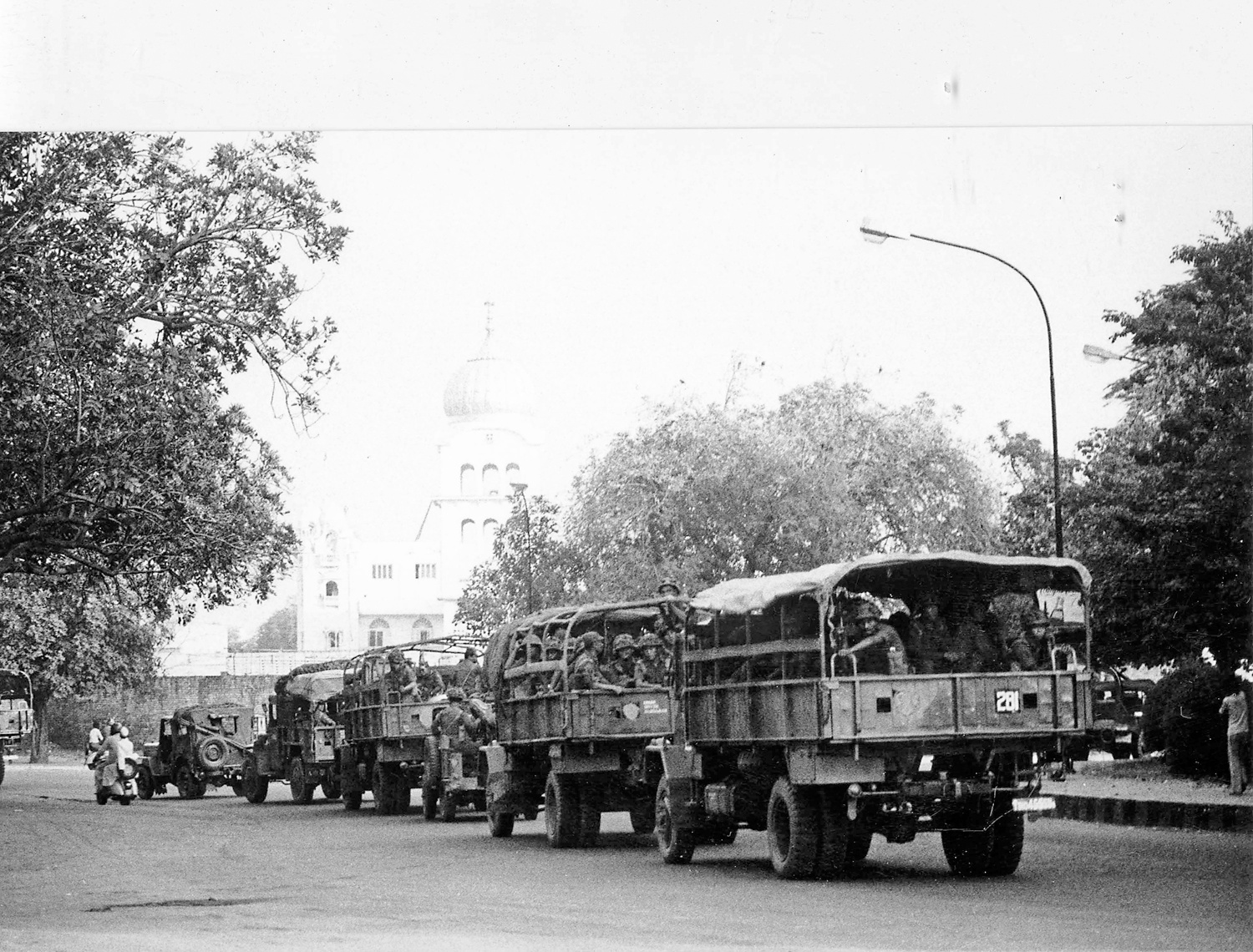
(Image Source: India.com)
These massacres exposed the scale of religious targeting during the Punjab insurgency. They compelled the Indian state to tighten its security apparatus, leading to Operation Blue Star (1984) and subsequent counter-insurgency campaigns.
Despite thousands of deaths, justice remained elusive. Many perpetrators were never convicted, and several cases vanished from public memory.
The escalating insecurity and devastation ultimately forced the government to impose President’s Rule. The tragic events of the 1980s — where Hindu passengers were singled out and executed in buses and trains — draw a chilling parallel to the forced exodus of Kashmiri Pandits in 1990 and even recent attacks like Pahalgam.
These events stand as undeniable proof that the victims were targeted solely for their religion. Such acts of genocide can never be erased from India’s collective memory. Even today, their echoes reopen old wounds across Punjab.
.png)