When Chhatrapati Shivaji Maharaj Was Offered a Mughal Subedar’s Daughter‑in‑Law: A Remarkable Story of Women’s Dignity

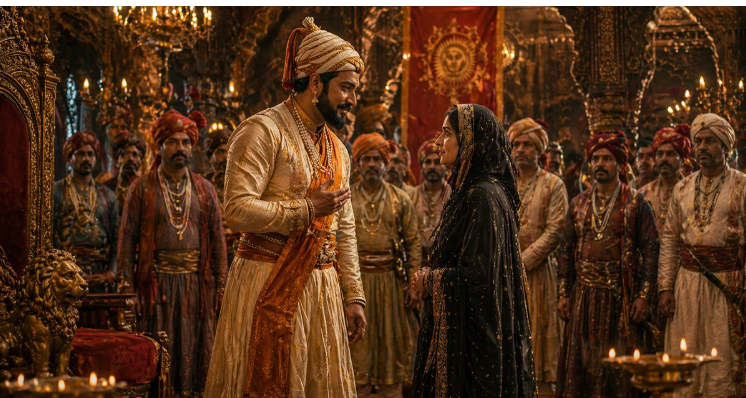
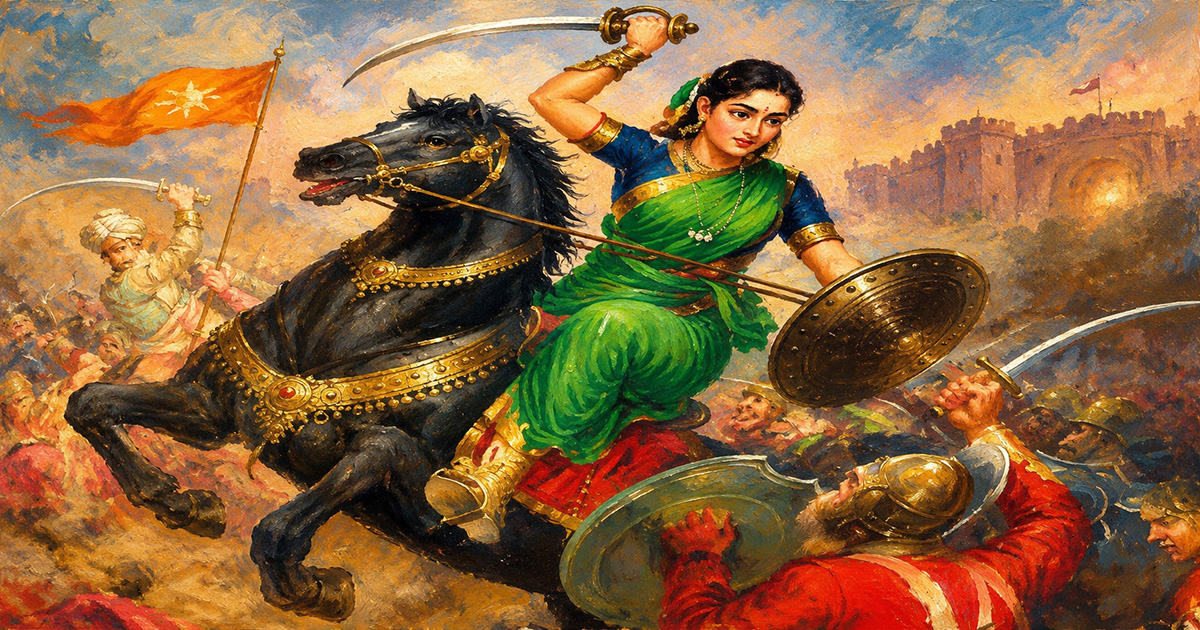
This image is AI-generated
How can a king keep the edge of his compassion as sharp as the edge of his sword, even in the middle of war? When one of Chhatrapati Shivaji Maharaj’s most loyal commanders brought before him the daughter‑in‑law of a Mughal‑era Bijapur subedar as a “gift,” that moment inscribed an extraordinary example in the pages of history. This remarkable story, tied to Shivaji’s respect for women, teaches us that true valour lies not only in fighting but also in honouring the dignity of others. Let us now explore the full narrative in detail.
The Raid on Kalyan, 1667
In 1667, the Maratha army launched a sudden raid on Kalyan, a territory under the governor (subedar), Mulla Ahmad of Bijapur. The commander Abaji Sondev advanced swiftly with his soldiers, and the enemy’s defences began to crumble.
In the chaos, the soldiers captured the family of the subedar, including his young and beautiful daughter‑in‑law. When Abaji Sondev saw her, he imagined she could be a priceless gift for Maharaj Shivaji. In the prevailing culture of the time, high‑ranking women of the enemy were often treated as war booty. Abaji ordered that the woman should suffer no indignity and that she be sent to Pune with full respect and security. His men carried her in a palanquin, under strict watch, toward the Maratha capital, so that she would reach the court of the king safely.
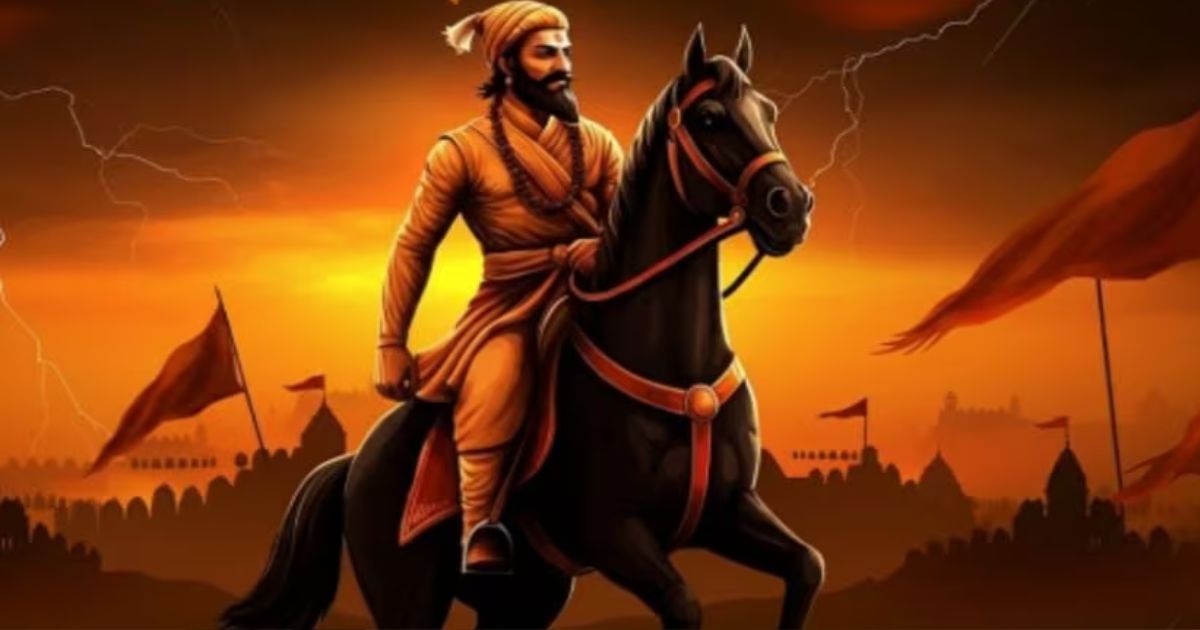
Chhatrapati Shivaji Maharaj | Image Source: Navbharat Times
The Court Scene in Pune
When the palanquin reached Pune, the entire court brimmed with curiosity. Abaji Sondev presented the woman before Chhatrapati Shivaji Maharaj, who sat on his throne. The commander declared that this “gift” was a symbol of victory at Kalyan, expecting the king’s appreciation. The Diwan, officials, and soldiers all waited in silence, wondering what would happen next. Chhatrapati Shivaji looked at the woman carefully. He smiled gently and said something that left the whole assembly stunned: “If only my mother had been as fair and as beautiful as you, I too would have been more handsome.”
In this simple line, he turned an enemy woman into a figure of maternal respect, addressing her in spirit as he would his own mother.
Dignity Over “Boots” of War
Chhatrapati Shivaji ordered his ministers that no distress should further fall upon her. He gifted her precious jewellery, new clothes, and gold coins, and arranged a strong escort of trustworthy soldiers. Instead of keeping her as a captive, he ordered that she be escorted safely back to her in‑laws’ home, with formal apologies for her capture and disruption.
This act soon became a binding principle across his kingdom. Shivaji issued a stern directive that no woman, child, or place of worship should ever be treated as war booty during raids or battles. From that day onward, the Maratha code of honour forbade the humiliation of women, even on the enemy side.
A Legacy of Justice and Humanity
This episode was not just a one‑off gesture; it mirrored the core of Shivaji’s vision for his Hindavi Swarajya, a kingdom built on courage, justice, compassion, and humanity, not just on military might. Even harsh Mughal historians like Khafi Khan acknowledged his “chivalry to women” and praised him, which only strengthens the authenticity of this story.
In an age when the women of the defeated were often enslaved or degraded, Shivaji stood apart by treating an enemy’s daughter‑in‑law as he would his own mother. This moment altered even the enemy's perceptions of him and deeply strengthened the moral authority of the Maratha state. Today, at a time when debates around religious and gender‑based dignity remain intense, this story reminds us that a true leader can see an enemy’s daughter‑in‑law as a mother, and that valour and honour walk hand in hand.
A Brief Note on Shivaji’s Life
Shivaji Maharaj, born on 19 February 1630, was formally crowned as Chhatrapati on 6 June 1674 at Raigad Fort, marking the establishment of Hindavi Swarajya under his throne. He passed away at the age of fifty on 3 April 1680 at Raigad, leaving behind a legacy of guerrilla warfare, naval foresight, and a kingdom that valued dignity as much as power.

.jpg)