Top 20 Things You Must Know About the 1965 Indo-Pak War: How India Exposed Pakistan’s Blunders and Won Global Respect

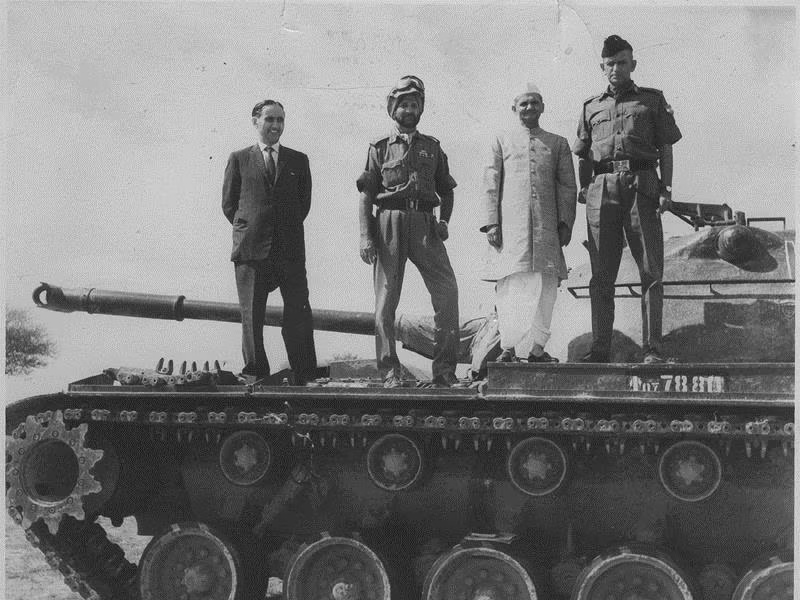
On 9 September 1965, the world watched as the United Nations stepped in to halt a full-scale war between India and Pakistan. But what led to this sudden international intervention? The truth is far deeper than a routine border skirmish. It was a desperate attempt by Pakistan to seize Kashmir through backdoor infiltration and misinformation. While Pakistan hoped to exploit perceived Indian weakness, it severely underestimated India’s resolve under Prime Minister Lal Bahadur Shastri. What followed was a fierce military retaliation that changed the course of South Asian geopolitics forever.
What most people don’t realize is that the 1965 Indo–Pakistan War wasn’t just about Kashmir; it was about national identity, military pride, and global diplomacy. India didn’t just defend its territory; it shattered Pakistan’s offensive ambitions on the battlefield, forcing global powers to push for a ceasefire through the UN. From the heroic stand at Asal Uttar to India’s tanks rolling toward Lahore, this war proved one thing: India would never bow to cross-border terror masked as liberation. This is the story of how India stood tall while Pakistan’s war plans collapsed, and why the world had to intervene to stop its humiliation.
ALSO READ: “1965 India–Pakistan War: From Covert Infiltration to Ceasefire – A Complete Timeline, Battles, Blunders & Legacy”
1) What exactly was Operation Gibraltar — and why did it fail?
Operation Gibraltar was Islamabad’s covert attempt to infiltrate Kashmir with irregulars and trained commandos to incite a local uprising against Indian rule. The plan assumed widespread Kashmiri support and surprise; both assumptions collapsed. Local intelligence and early warning from civilians helped Indian forces round up infiltrators. Instead of a quick, deniable proxy insurgency, Pakistan’s gamble forced India to deploy conventional units into Kashmir and across the border — converting the problem into a full-blown war that Pakistan was unprepared to sustain. Gibraltar’s failure revealed Pakistan’s strategic overreach and poor assessment of local conditions.
2) How did India convert an infiltration into an offensive that surprised Pakistan?
New Delhi reacted not by panicking but by using calibrated counter-measures: retaking key terrain such as Haji Pir Pass and then using limited, well-timed conventional offensives to seize strategic initiative. On September 6 India launched corps-level operations toward Lahore and Sialkot — moves Pakistan had not anticipated — forcing its commanders to fight on multiple axes. India’s ability to shift from a defensive posture in Kashmir to a coordinated offensive across the international border displayed operational flexibility and convincing joint-force planning that surprised Pakistani war planners and reversed the early momentum.
3) How did leadership, Shastri vs. Ayub, shape the conflict’s outcome?
Prime Minister Lal Bahadur Shastri combined firm political resolve with operational restraint: he set clear red lines, demanded Pakistan withdraw its infiltrators, and authorised targeted strikes instead of indiscriminate escalation. Ayub Khan, buoyed by hawkish advisors and overconfidence in covert measures, misread both India’s resolve and local Kashmiri sentiment. When battlefield reverses mounted, Ayub sought diplomatic cover. The contrast — Shastri’s focused, defensive-to-offensive posture versus Ayub’s gamble and hurried diplomacy — underlined India’s superior strategic clarity during the crisis.
4) Did India have the military advantage in tanks, air power, and logistics?
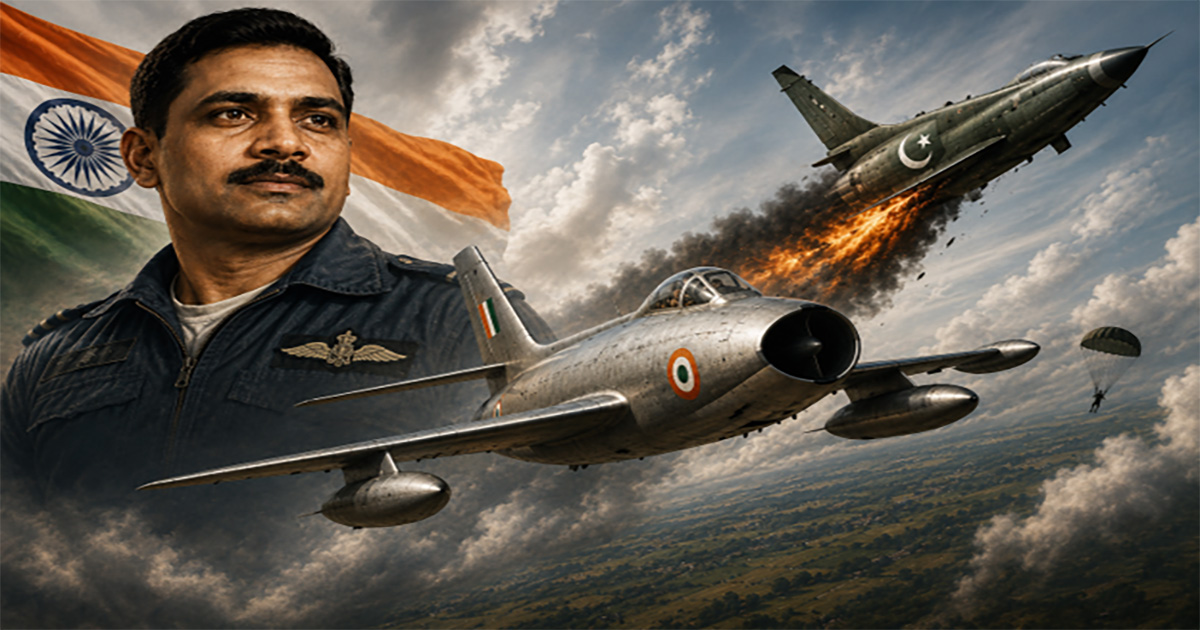
By September India demonstrated robust combined-arms capability: coordinated use of armour, infantry, and air strikes blunted Pakistani thrusts such as Operation Grand Slam. Battles at Asal Uttar and Phillora saw Indian forces effectively counter Pakistani armour, destroying large numbers of tanks and degrading Pakistan’s offensive punch. India’s logistics held under sustained pressure, and effective use of local intelligence and terrain negated some Pakistani technical advantages. The result: Pakistan’s armored thrusts stalled while Indian advances threatened major Pakistani cities — a clear demonstration of India’s fighting competence.
5) How did India use diplomacy to force a UN ceasefire rather than let the war drag on?
India balanced military pressure with shrewd diplomacy. New Delhi publicly refused a ceasefire that left Pakistan’s infiltrators in place, insisting on preconditions that exposed Islamabad as the aggressor. Internationally, India leveraged global concern about escalation — highlighting prospects of Chinese involvement and superpower entanglement — to persuade the UN and influential capitals to push for a halt. The net effect: mounting diplomatic isolation for Pakistan, plus arms freezes from Washington and London, created practical incentives for a ceasefire that favoured India’s narrative of being the victim of covert aggression.
6) What role did the United Nations and Secretary-General U Thant play?
The UN and Secretary-General U Thant acted as crucial pressure valves: rapid appeals, shuttle diplomacy, and Security Council resolutions framed the conflict as a global risk. Thant’s personal trips to the subcontinent and repeated messages for immediate cessation of hostilities signalled international impatience with escalation. The Security Council’s unanimous early demand for a halt (Resolution 210) and the sterner Resolution 211 compelled both capitals to stop major offensives. The UN did not impose a political settlement, but its intervention froze front lines and prevented an even bloodier conflict — effectively validating India’s case that Pakistan was the initial provocateur.
7) Were global powers decisive, did superpowers shape the ceasefire?
Cold War dynamics made superpower stance consequential. The US and UK imposed arms embargoes that strangled Pakistan’s resupply options; the Soviet Union pushed for a negotiated halt and later hosted Tashkent; China issued veiled warnings that raised the spectre of a wider Asian conflagration. This combination of diplomatic pressure and material levers narrowed Pakistan’s options. India’s skill was to translate battlefield strength into diplomatic leverage, convincing global capitals that freezing the conflict served world stability — a strategic win for New Delhi.
8) How did battlefield victories, like Asal Uttar, influence bargaining power?
Tactical defeats such as those at Asal Uttar — where Pakistani armour suffered heavy losses — destroyed Pakistan’s tactical momentum and morale. Indian ground successes converted into bargaining chips by demonstrating that Islamabad could not translate initial covert gains into strategic outcomes. When armies can point to tangible battlefield advantages, diplomatic demands carry more weight; India’s ability to threaten major Pakistani objectives (including approaches to Lahore and Sialkot) made international actors more comfortable pressing for a ceasefire that would preserve India’s leverage.
9) Were casualties and material losses decisive in forcing the ceasefire?
Heavy casualties, tank and aircraft losses, and critical ammunition depletion on both sides made prolonged conflict costly and unpredictable. International capitals feared escalation and regional spillover; Washington and London froze supplies on September 8, squeezing Pakistan. Pakistan’s deteriorating logistics and losses meant it could not sustain simultaneous offensives, and India’s intact capacity to continue the fight made the status quo unattractive for Pakistan. Thus material attrition, coupled with diplomatic isolation, made a UN-mediated halt the pragmatic outcome.
10) Did Pakistan misread India’s political will and domestic backing?
Pakistan’s planners underestimated Indian unity and resolve. Shastri’s government enjoyed broad domestic backing for decisive defence; slogans like “Jai Jawan, Jai Kisan” crystallised national will. India’s political cohesion, even in the face of economic strain, made Islamabad’s hopes for a quick settlement impossible. When a nation demonstrates both political stamina and credible military response, adversaries face steep risks in prolonging aggression — and Pakistan learned this the hard way in 1965.
11) How did the UN ceasefire pave the way for superpower mediation at Tashkent?
By freezing hostilities on September 22–23, the UN created diplomatic breathing room. That pause allowed the Soviet Union to step in as a mediator without the immediate pressures of active battlefield operations. Kosygin’s Tashkent mediation in January 1966 capitalised on the frozen front to negotiate withdrawals and prisoner exchanges. While Tashkent did not resolve Kashmir, the sequence — battlefield stalemate, UN ceasefire, then superpower-brokered talks — highlighted India’s capacity to convert military advantage into an international process that preserved its core interests.
12) What long-term lessons did India draw about unilateral third-party mediation?
The 1965 experience convinced Indian strategists that third-party mediation often freezes rather than settles disputes unless it respects on-ground realities. India later insisted on bilateral mechanisms (formalised in the 1972 Simla Agreement) and limited UN field roles to observation rather than political management. In short, India learned to prefer solutions that preserved its sovereignty over bilateral issues. This stance stems from the 1965 lesson: international intervention can halt fighting, but it rarely delivers permanent solutions without local buy-in and balance.
13) How did 1965 change India’s military doctrine and preparedness?
The war exposed both strengths and gaps: India’s operational flexibility and fighting spirit were clear, but weaknesses in tri-service coordination and equipment readiness were evident. The aftermath accelerated modernization, improved joint planning, and sharpened intelligence and logistics emphasis. The armed forces institutionalised lessons on defending terrain, countering armoured thrusts, and integrating air-ground operations — reforms that strengthened India for subsequent crises and underscored its emergence as a credible regional military power.
14) Did the 1965 ceasefire change regional geopolitics and alliances?
The conflict pushed Pakistan closer to China and intensified Islamabad’s search for external patrons, while India deepened strategic ties with the Soviet Union for diplomatic balance and arms cooperation. The war underscored South Asia’s vulnerability to great-power influence and demonstrated that local disputes can quickly assume global significance. India’s successful combination of military resolve and diplomatic messaging in 1965 raised its stature in many capitals and helped shape subsequent regional alignments.
15) What is the enduring legacy of September 9 and the UN-mandated ceasefire for India?
September 9 and the ensuing UN ceasefire symbolise India’s transition from being perceived as vulnerable after 1962 to being a resilient power that could defend its interests and manage international diplomacy effectively. The episode proved India could translate battlefield performance into diplomatic advantage, shape international opinion, and insist on outcomes that protected its sovereignty. For India, 1965 was not merely a military contest — it was a demonstration of strategic maturity that reinforced its claim to regional leadership and left an indelible mark on South Asian security doctrine.
India’s response to Operation Gibraltar combined battlefield competence, disciplined leadership, and savvy diplomacy. The UN ceasefire of September 1965 was not a lucky break for New Delhi — it was the predictable result of India’s ability to expose Pakistan’s gamble, sustain military pressure, and marshal international support. That combination left Pakistan’s covert plan in ruins and established a new reality in South Asia: India would not be coerced, and its strategic voice would grow louder on the world stage.
.png)
.jpg)