Your Terrorist or Mine? UK's Questionable Handling of ISYF and Separatist Groups

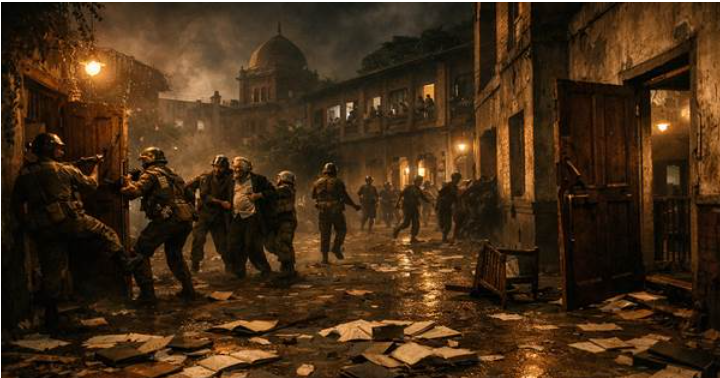
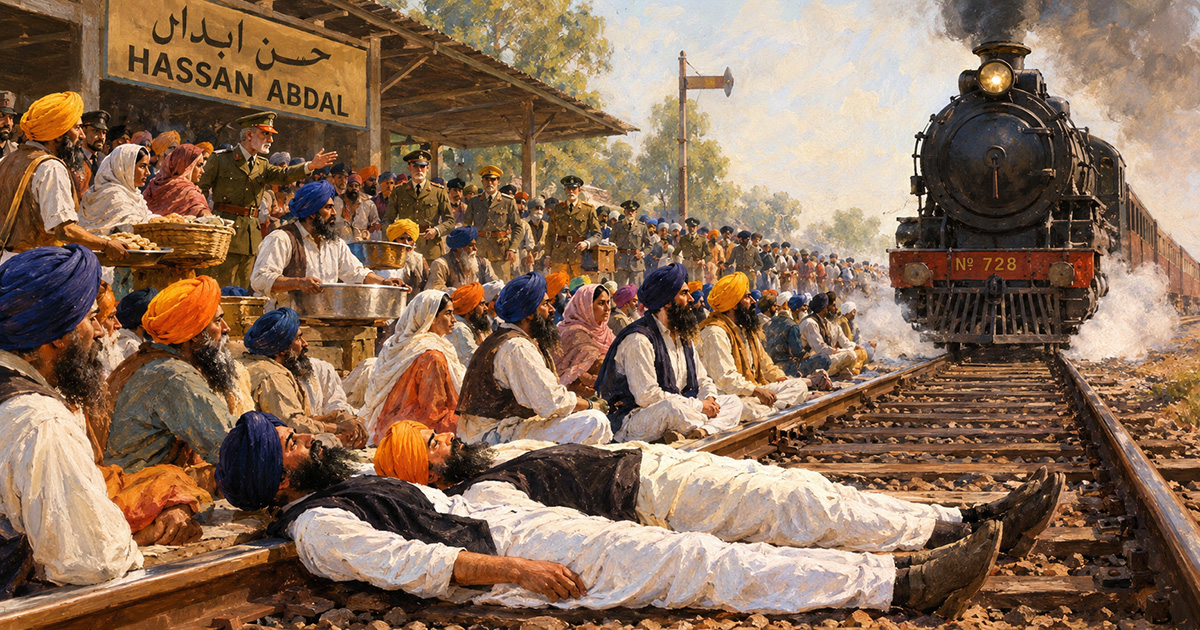
This image is AI-generated
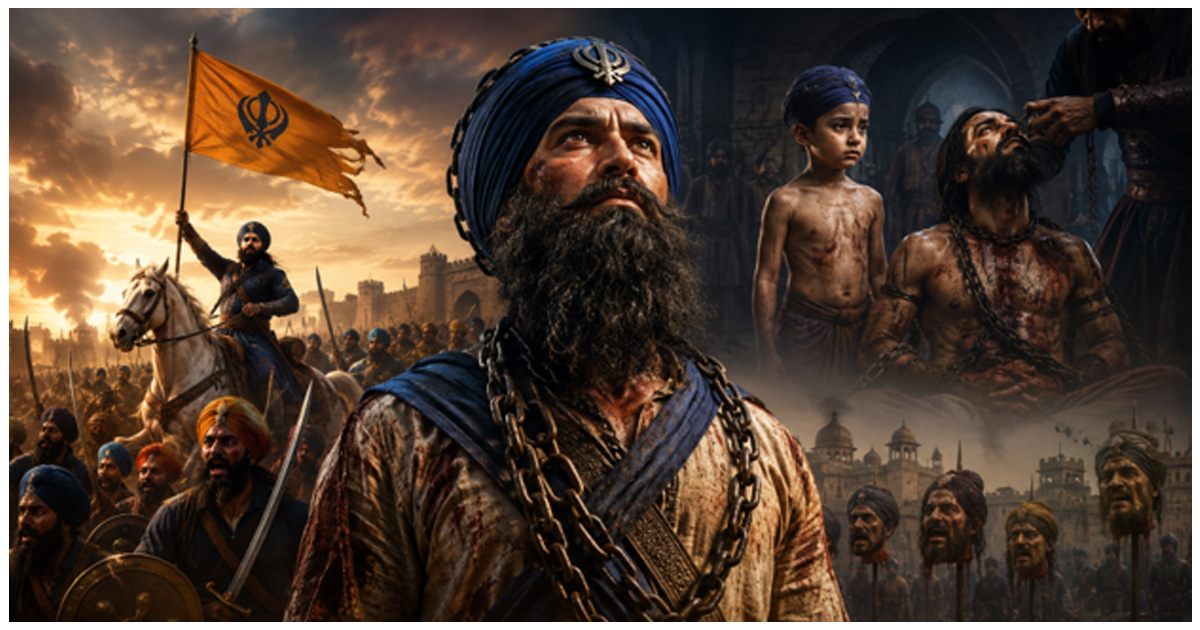
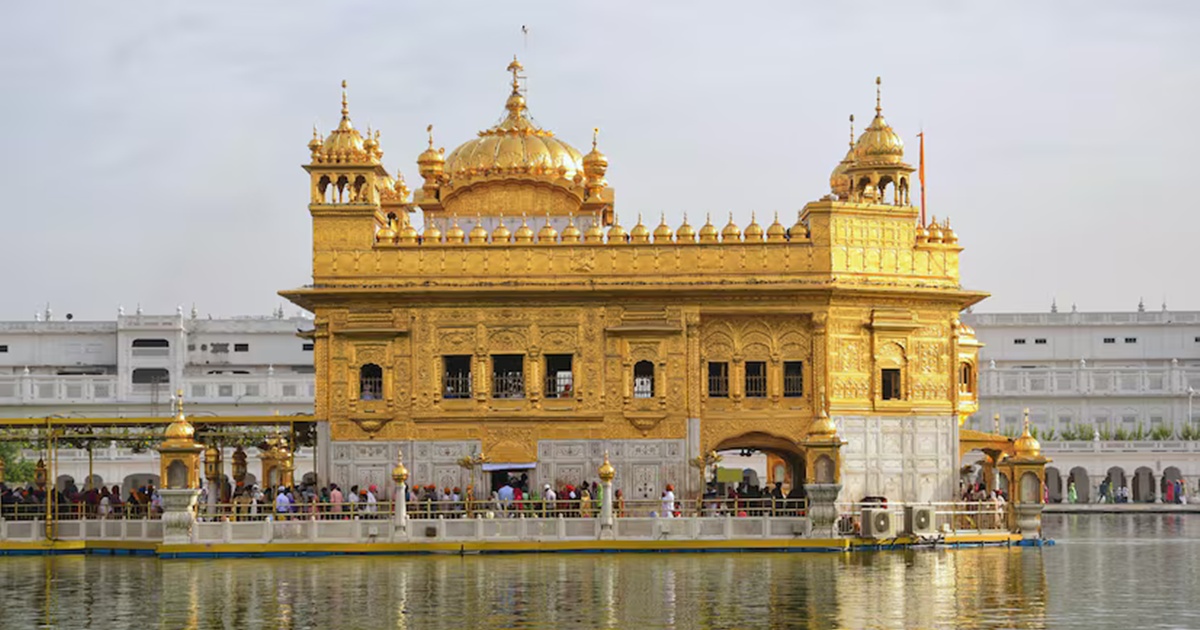
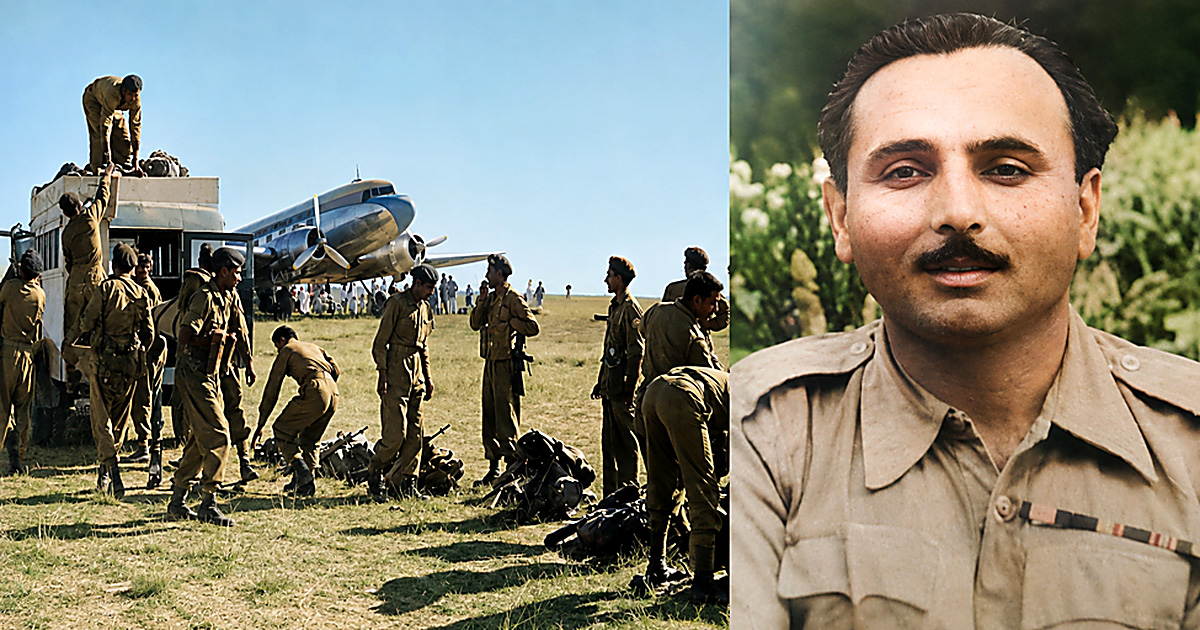
Retired Indian Army Lt Gen Kuldip Singh Brar was walking with his wife near Marble Arch when three men attacked. One, linked to the International Sikh Youth Federation (ISYF), slashed his neck and jaw with a 12-inch gash. Brar's wife was shoved down. The attackers fled after a planned ambush—they'd watched him for days. UK courts jailed all three for long terms. This wasn't random street crime. Brar, who led Operation Blue Star in 1984 to clear militants from the Golden Temple, was a top target for separatist extremists.
Brar's Role and Why He Was Hunted
Lt. Gen. Brar, decorated with PVSM, AVSM, and Vir Chakra, fought in the 1971 Bangladesh war and Tibet. Sikh separatist groups saw his killing as revenge for Blue Star, which killed terrorist leader Jarnail Singh Bhindranwale. They'd listed him for assassination for years. The London attack showed ISYF's global reach, even while banned in the UK since 2001 under the Terrorism Act.
UK Lifts Ban Just 4 Years Later
In March 2016, Parliament voted to remove ISYF from the terror list. Home Office Minister Lord Bates said there was "no current evidence" of terrorism. The government called it a legal call, not bowing to India. But ISYF's past was bloody: Linked to bombings, killings, and Punjab chaos in the 1980s-90s. India and Canada had banned it in 2002.
ISYF's Record in India
India calls ISYF a terror group. Its founder, Lakhbir Singh Rode (still wanted), worked with Pakistan's ISI and Lashkar-e-Taiba. They shared offices in Pakistan. ISYF faced blame for assassinations, IED blasts, extortion, and attacks on leaders. Recent cases: 2007 Ludhiana cinema bomb killing six; 2022 grenade near Pathankot army base. Indian agencies say ISYF trains modules for cross-border hits.
Attacks Continue from UK Soil
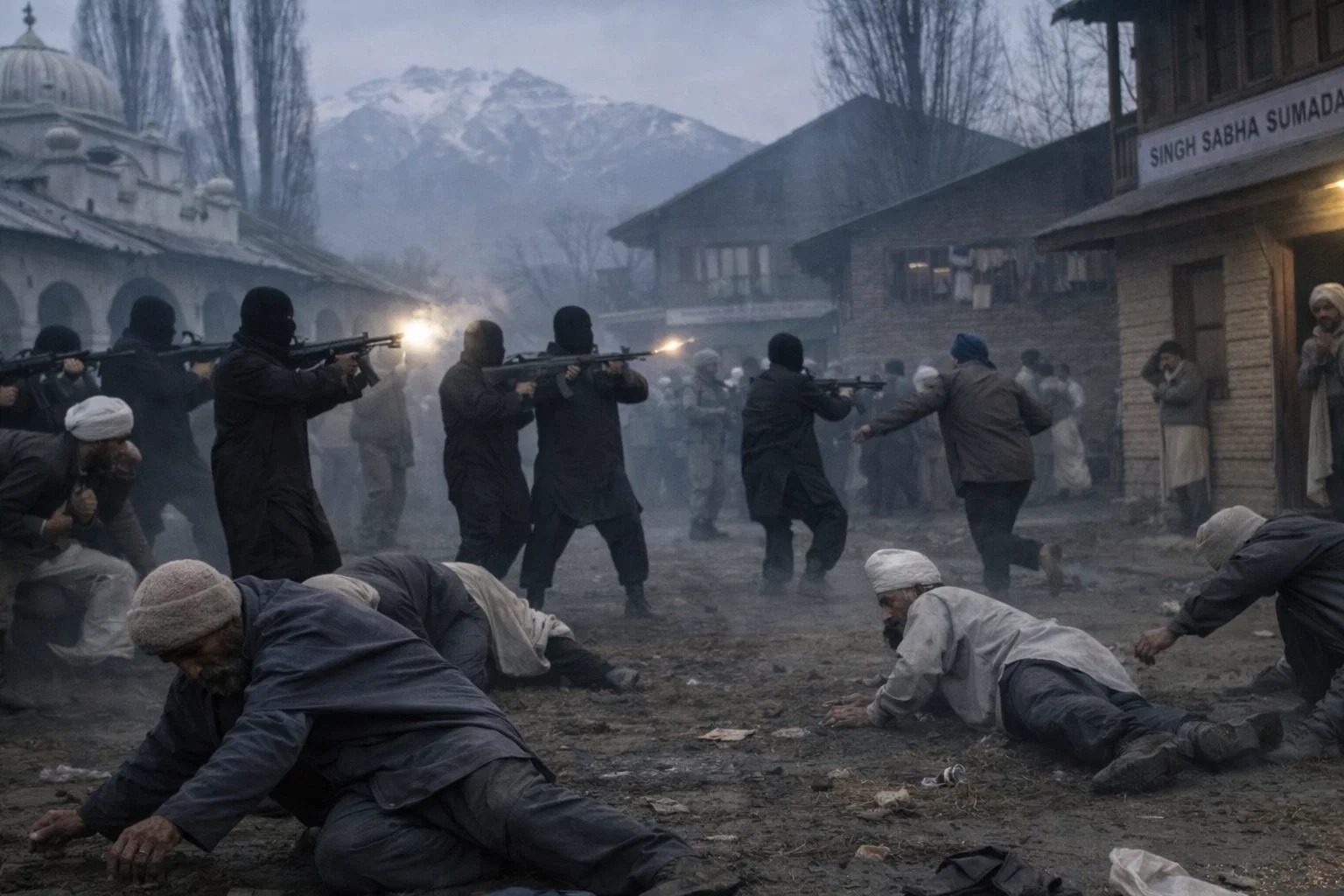
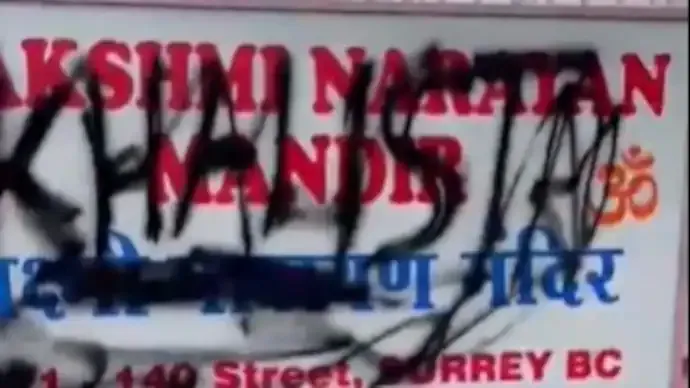
Sikh radicals in the UK keep targeting India. They've attacked the Indian High Commission (2023 riots), torn down the tricolor, vandalized Gandhi statues, and assaulted moderate Sikhs. In 2018, they stormed Liverpool's Indian Consulate. India complains these acts are hidden as "free speech," but fuel terror back home. Tensions spiked when the UK allowed separatist referendums and rallies glorifying violence.
Strain on India-UK Ties
India sees double standards. While the UK cracks down on ISIS or IRA remnants, ISYF gets leniency. New Delhi warns that this safe haven aids plots. Brar's survival and ongoing threats highlight the gap: The UK's "legal review" vs. India's daily fight against active cells. As trade talks grow, India pushes for tougher action—lest "your terrorist" becomes "our nightmare."
.jpg)