From London to Pondicherry: How VVS Aiyar Trained and Built an Army of Revolutionaries?

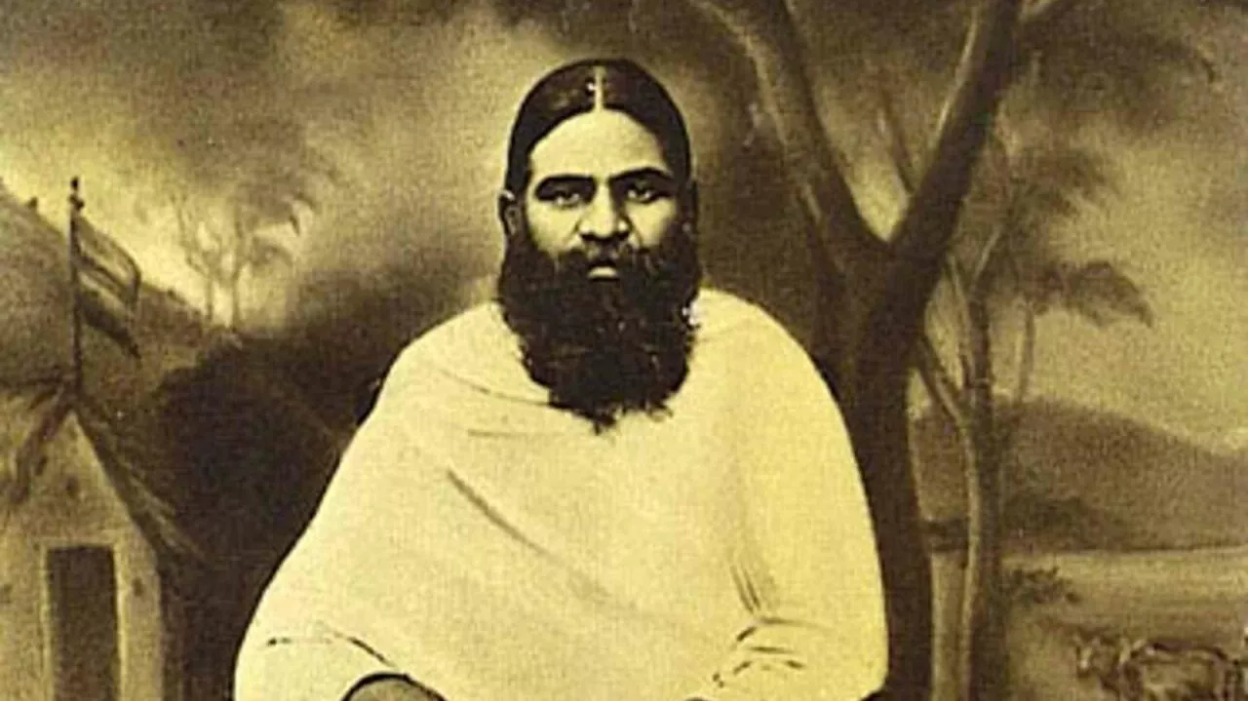
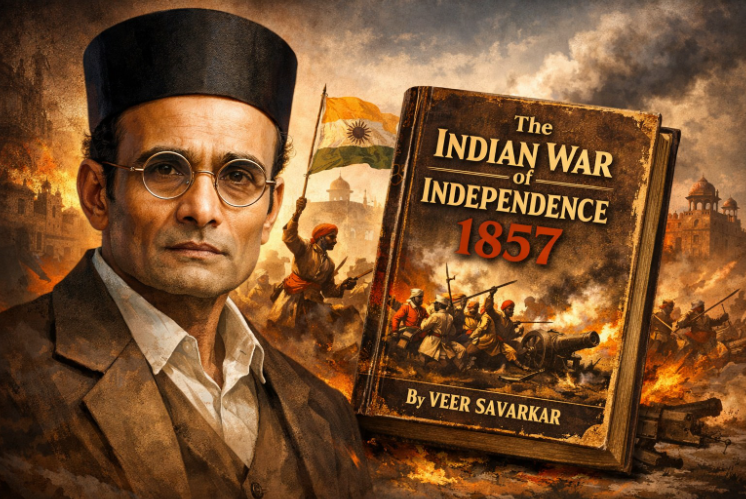
This image is AI-generated
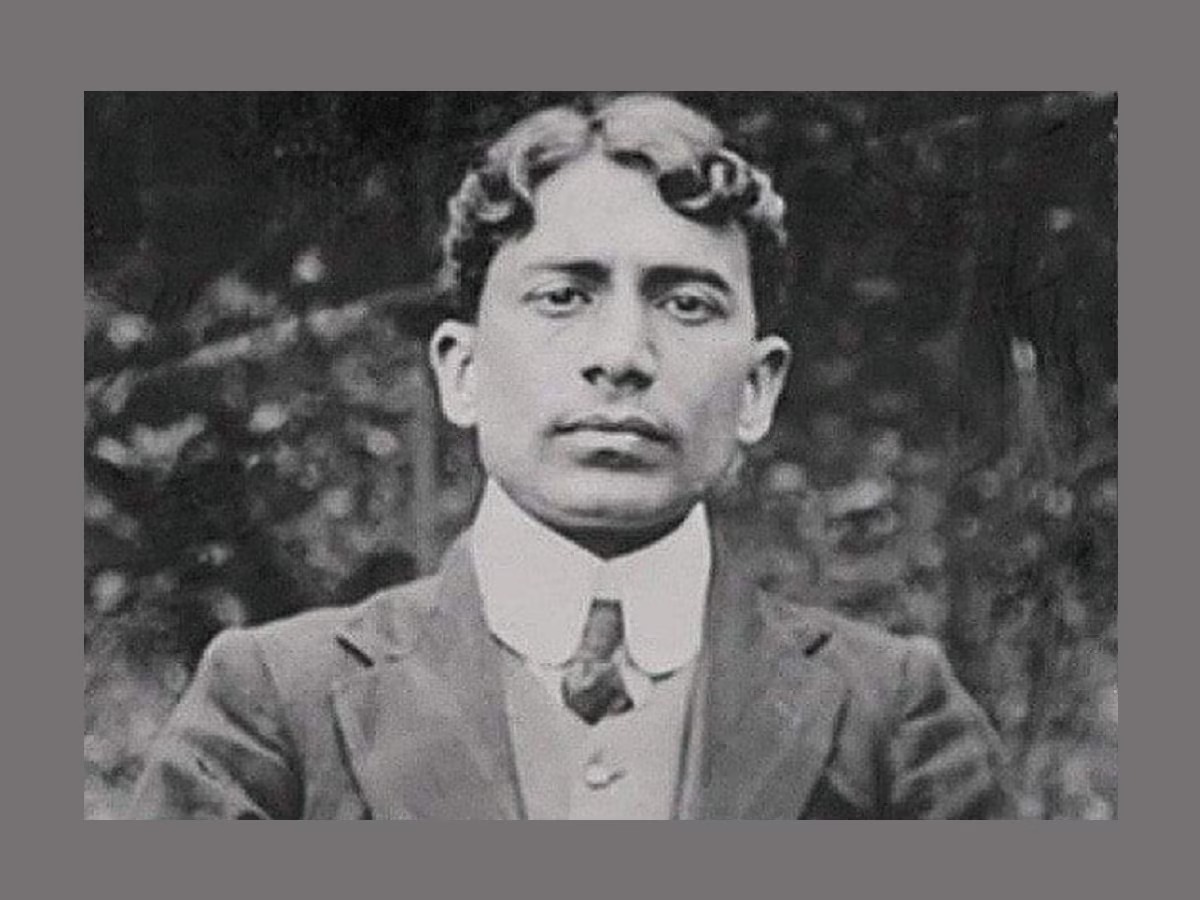
On July 1, 1909, revolutionary Madan Lal Dhingra assassinated the cruel British officer Curzon Wyllie by shooting him in London, and the echoes of those shots shook the foundations of the British Empire. Within months, the 'India House' in London became the center of international surveillance and political debate. But this didn't happen overnight. Since 1907, a network was gradually taking shape, in which one name kept emerging prominently—that of 'Varahneri Venkatesh Subramania Aiyar (VVS Aiyar)'. He had come to London to study law and learn Western music and dance styles.
Today's story is about that very hero who, from London to Pondicherry, not only wrote a new saga of revolution but also shook the foundations of the British Empire by training thousands of revolutionaries like Dhingra in handling arms and psychological warfare. How did VVS Aiyar, who arrived in London to immerse himself in Western traditions, become a fierce revolutionary face? How did he train the revolutionaries? This true story is based on Aiyar's very actions.
In 1907, Aiyar arrived in London to study law. Here, at India House, he met Vinayak Damodar Savarkar. He was so influenced by Savarkar that he forgot his original purpose and joined revolutionary activities. Aiyar began regularly attending the meetings at India House. Recognizing his talent, he was assigned the responsibility of writing for the intellectual development of revolutionaries connected to India House. Within just one year, by 1908, he had become one of the intellectual and organizational pillars of this network. Subsequently, he was entrusted with the responsibility of providing intellectual training as well as arms training to the revolutionaries.
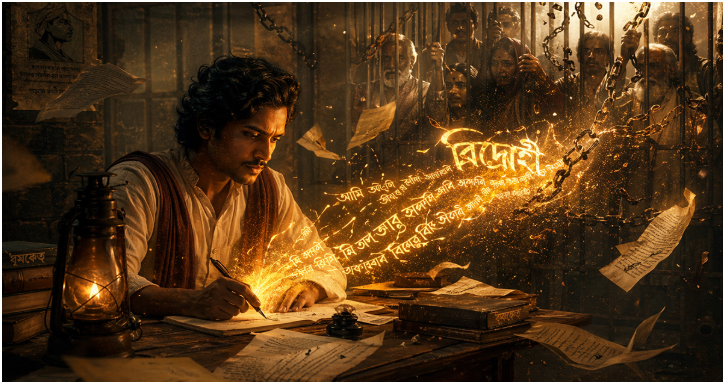
Every Sunday night at India House, meetings of revolutionaries took place, where VVS Aiyar began training them in the intricacies of bomb-making and eliminating cruel British officers. With his dedication and hard work, Aiyar transformed the India House hostel into a "war workshop." Here, chemistry students were trained in bomb-making, while others were assigned the responsibility of writing and printing literature. This literature included manuals on bomb-making rules and books of revolutionary articles, edited under VVS Aiyar's supervision.
Additionally, to train revolutionaries in pistol shooting, Aiyar established a 'war workshop' in the backyard of India House. He conducted daily training camps there. After training here, the revolutionaries were taken to a shooting range on Tottenham Court Road for advanced practice, where everyone honed their marksmanship under Aiyar's supervision.
However, after Curzon Wyllie's killing, surveillance on India House revolutionaries intensified. Aiyar then left London and made the French-occupied Indian state of Pondicherry his new base. Here too, he continued training revolutionaries in arms. He began imparting arms training to revolutionaries at a secret location. He personally taught shooting techniques, including proper use of pistols, aiming, and how to face British interrogations.
While in Pondicherry, Aiyar trained revolutionaries like Vanchinathan in pistol shooting. Aiyar made Vanchinathan proficient in handling a Browning pistol in just 20 days of training. Subsequently, on June 17, 1911, Vanchinathan shot and killed British Collector Robert Ashe of Tirunelveli district, Tamil Nadu, at Maniyachi railway station.
The measure of the comprehensive, skilled training Aiyar provided to revolutionaries can be gauged from the fact that when Madan Lal Dhingra fired five rounds to kill British officer Curzon Wyllie, four bullets hit the exact target. Even after being caught, the British could not extract any secrets from Dhingra. Despite millions of efforts, the British failed to present evidence in court linking Dhingra to major revolutionaries like Savarkar. This was the result of Aiyar's expert arms and intellectual training.