
Is History Repeating Itself? Trump’s Tariffs Spark 2025 Stock Market Crash, Echoes of 1929 Resurface

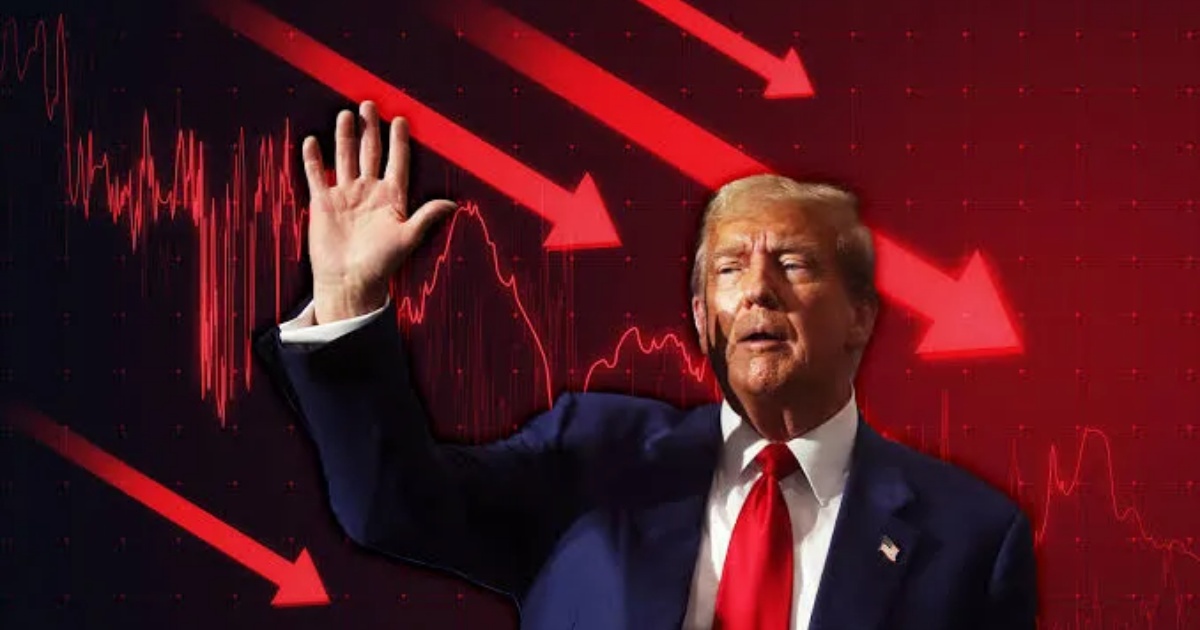
- Trump’s tariffs trigger investor panic
- Market crash mirrors 1930s downfall
- Is the US heading for another Great Depression?
April 4, 2025 – A Day of Market Panic
On Friday, April 4, 2025, the US stock market suffered one of its worst crashes in recent history. This came just two days after US President Donald Trump announced new tariffs on all imports, sparking a fresh trade war with China. In response, China imposed a 34% tariff on US goods, shocking investors around the world.
The result? Chaos on Wall Street.
The S&P 500 fell nearly 6% in a single day – its worst drop since the COVID crash in 2020. The Dow Jones plunged by 2,231 points, or 5.5%, while the Nasdaq Composite also tanked 5.8%. More than $5 trillion in market value was wiped out in just one week. The fear of a prolonged trade war and a looming global recession sent shockwaves through the financial system.
This crash eerily echoed the infamous Wall Street Crash of 1929, which marked the beginning of the Great Depression.
Back in Time: The Stock Market Crash of 1929
In the 1920s, the United States experienced a period of tremendous economic growth known as the “Roaring Twenties.” People were optimistic, industries were booming, and stock prices were soaring. But underneath this excitement, trouble was brewing.
On October 24, 1929 – Black Thursday, the stock market suddenly dropped by 11% at the opening bell. Panic selling began. Although there was a slight recovery, it didn’t last. On Black Monday (October 28) and Black Tuesday (October 29), the Dow Jones collapsed by 13% and 12%, respectively.
In just a few weeks, the market lost over 50% of its value. From its peak in September 1929 to its bottom in July 1932, the Dow plunged by a staggering 89%. This economic catastrophe led to bank failures, skyrocketing unemployment, and a collapse in consumer confidence. It was the start of the Great Depression, which lasted until World War II.
A Pattern of Panic: Biggest Market Crashes in History
Let’s take a look at some of the major stock market crashes that followed:
- 1987 – Black Monday Date: October 19, 1987 Impact: Dow Jones dropped 22% in a single day Reason: Program trading and panic among investors
- 1999-2000 – Dot-com Bubble Boom: NASDAQ soared to over 5,000 points due to internet hype Bust: Fed rate hikes and weak profits burst the bubble, and the index crashed to around 1,100 Recovery: Took 15 years to return to the same level
- 2008 – Financial Crisis Cause: Risky home loans and collapse of major banks Crash: Massive selloffs as Bear Stearns and Lehman Brothers failed Recovery: Took four years for the Dow to recover
- 2020 – COVID Crash Cause: Pandemic lockdowns and panic Drop: Dow and S&P 500 lost over 10% in a week Recovery: Fastest rebound in history due to government stimulus
What is a Tariff and Why Does it Matter?
A tariff is a tax imposed on imported goods. Trump’s new 10% tariff on all imports, with even higher rates for certain countries, made foreign goods more expensive in the US. China’s retaliation made American products more expensive in China, reducing demand and hurting US exporters.
This policy impacted key sectors like seafood, electronics, and machinery, especially since countries like India, Indonesia, China, Vietnam, and Canada supply a huge portion of imported goods to the US.
These tariffs increased the cost of living for American consumers and added pressure on businesses already struggling with inflation and interest rate hikes.
Lessons from the Past: How Crashes Begin
The 1929 crash was caused by:
- Overproduction in industries like farming and steel
- Speculative investing without understanding real value
- Buying on margin (borrowing money to buy stocks)
- Rising interest rates
- Tariffs that hurt global trade
Between 1929 and 1934, global trade fell by 66% due to tariff wars. America’s attempt to protect its economy backfired, leading to global economic collapse.
Similarly, in 2025, Trump’s tariffs risk repeating the same mistake.
The 2025 Crash: Just the Beginning?
Experts fear the April 2025 crash could mark the start of a longer economic slowdown. Investors are comparing the situation to 1929 — not just because of the size of the fall, but because of similar triggers: trade wars, overvalued markets, and poor global cooperation.
If this fear turns into reality, the US and global economy may face a harsh road ahead.
The Bottom Line
History doesn’t always repeat, but it often rhymes. The stock market crash of April 4, 2025, fueled by Trump’s trade war with China, shows how economic decisions have far-reaching consequences.
It’s a reminder that tariffs, speculation, and panic can bring even the world’s strongest economies to their knees, just like in 1929.
.png)