When Pride Met Tyranny: 15 Facts About Alauddin Khilji’s Attack on Chittorgarh

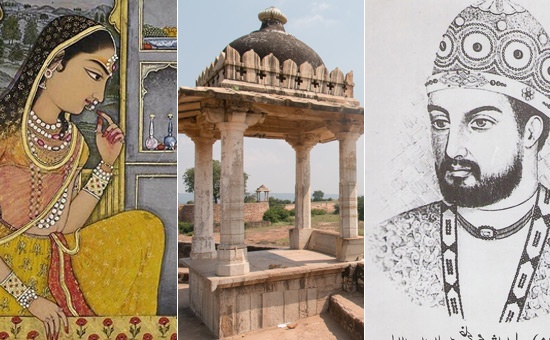
The 1303 Siege of Chittorgarh is a significant moment in medieval Indian history that reflects the Rajputs’ fierce struggle as well as Sultan Alauddin Khilji’s desire for expansion. By the early 14th century, Alauddin’s military power and ambitious administrative reforms had strengthened his hold on a significant part of northern and central India. However, his focus shifted to Rajputana, particularly Mewar, whose majestic Chittorgarh Fort represented Rajput pride, independence, and resistance.
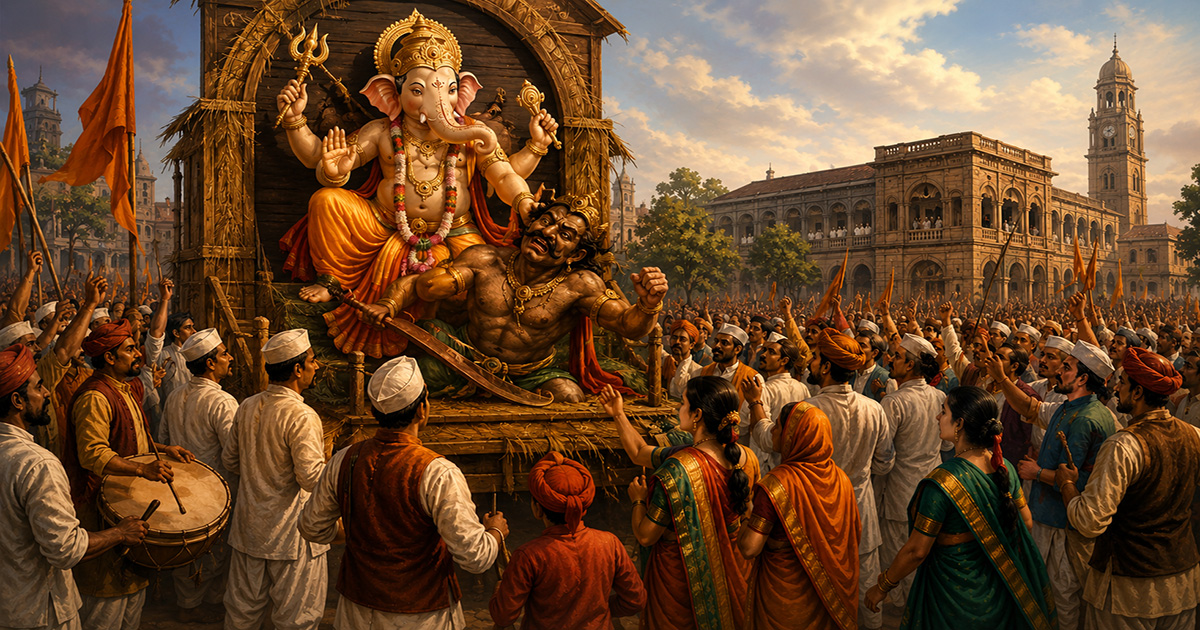
Chittorgarh was more than just a military objective; it was a challenge to Khilji’s reign. In addition to providing strategic advantage, its conquest would represent the enslavement of a strongly independent people. After eight months of siege, Alauddin Khilji captured Chittorgarh on 26 August 1303, leading Rani Padmini and other women to commit Jauhar to preserve honour from invading forces. The siege became a tragic tale of remarkable bravery and terrible loss in the national history of India.
Timeline: Tragedy of Chittorgarh (1303 CE)
- 1296 CE – Alauddin Khilji becomes Sultan of Delhi after assassinating his uncle, Jalaluddin Khilji. Begins military expansion across India.
- 1301 CE – Alauddin captures Ranthambore, strengthening his hold in Rajputana.
- 1303 CE (Early) – Khilji turns his attention to Chittorgarh, reportedly drawn by stories of the valor of Rawal Ratan Singh and the beauty of Rani Padmini.
- March–July 1303 CE – Alauddin Khilji lays siege to Chittorgarh, cutting off supplies and launching repeated assaults.
- Legendary Account (circa siege period) – Khilji demands to see Rani Padmini. A mirror viewing is arranged under deceitful terms. Rawal Ratan Singh is captured treacherously during a supposed peace negotiation.
- Following Capture of the King – Rajput forces, led by loyal commanders like Gora and Badal, launch a daring rescue of Ratan Singh.
- August 1303 CE – With no hope of victory and facing certain defeat, Rani Padmini and thousands of Rajput women commit Jauhar (mass self-immolation).
- Same day/night – Rajput men perform Saka (ritual final battle to death), dying with honor against Khilji’s forces.
- Post-Siege 1303 CE – Alauddin captures the deserted fort. Chittorgarh lies in ruins, its population massacred or scattered.
- Aftermath – The city is handed over to his vassal Maldev; Chittorgarh remains under Khilji control for a few years before returning to Rajput hands.
- Later Legacy – The Padmavat epic (written in 1540 CE by Malik Muhammad Jayasi) immortalizes Rani Padmini’s tale as a symbol of Rajput valor and sacrifice.
Major FAQs regarding Alauddin Khilji Conquest-
1. Who was Alauddin Khilji and what motivated his 1303 attack on Chittorgarh fort?
Alauddin Khilji was the Delhi Sultanate’s second monarch of the Khilji Dynasty (1296–1316). During previous Islamic conquests, his family, who were of Turkic-Afghan descent, moved to India. He became the king of Delhi and spread Islamic dominion over the subcontinent, not as an invasion. Political domination, wealth, and territory expansion were the goals of his endeavors. In 1303, Alauddin Khilji attacked Chittorgarh with the military goal of expanding his kingdom and capturing the wealth of the area, particularly its abundant silver, zinc, and other precious metal mines. The mythical tale of Rani Padmini (Padmavati) is often associated with his personal motive; subsequent narratives and stories assert that he was motivated by a desire to possess her beauty, however, the majority of historians view this as a legend rather than historical reality.
2. How was the siege of Chittorgarh planned and executed by Alauddin Khilji’s forces?
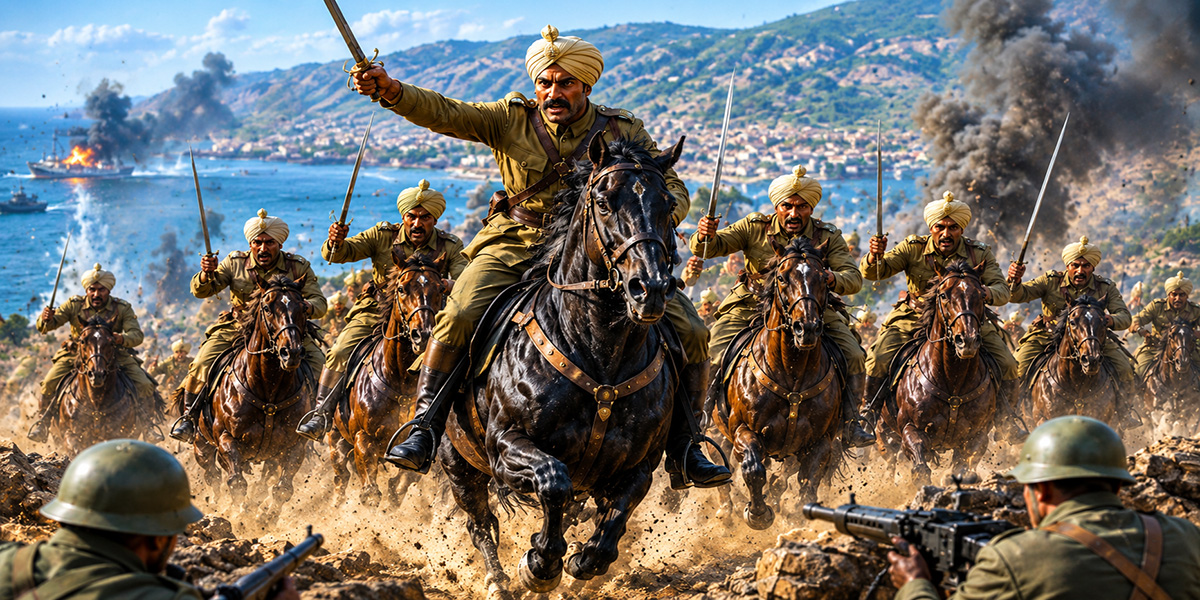
The siege of Chittorgarh in 1303 was meticulously planned by Alauddin Khilji, who marched with a sizable, well-equipped army, surrounded the fort from all sides, and cut off supplies to kill the defenders. His troops deployed battering rams, scaling ladders for attacks, and siege engines to blast the walls. Throughout the nearly eight-month siege, Khilji’s forces attacked frequently until the defenders’ supplies ran out and the fort finally collapsed.
3. What role did the legendary beauty and valor of Rani Padmini play in Khilji’s obsession with Chittorgarh?
Alauddin Khilji’s obsession with Chittorgarh was largely influenced by the famous beauty and bravery of Rani Padmini; according to later customs, he was infatuated with her beauty and wished to have her for his harem. Khilji’s desire became stronger when his request was denied, which strengthened his resolve to siege the fort. Padmini’s decision to choose death over dishonor in the Jauhar deed became a potent representation of Rajput resistance and honor.
4. How did Rawal Ratan Singh and the Rajput warriors defend their kingdom during the siege?
During the siege in 1303, Rawal Ratan Singh and the Rajput defenders of Chittorgarh bravely resisted Alauddin Khilji’s army. Despite being significantly outnumbered, they used high vantage points, launched counterattacks, and persevered through months of siege warfare by utilizing the hilltop fort’s inherent defenses. Over time, supplies ran out, and their last struggle might have been undermined by internal treason. Despite the fort’s eventual collapse, Rajput troops’ valor is remembered with actions like Saka, their last charge into combat.
5. What was the impact of the siege on Chittorgarh’s civilians, especially women and children?
Women and children in particular suffered greatly during the siege of Chittorgarh. After eight months, Rajput women and children, including the legendary Rani Padmini, engaged in Jauhar (mass self-immolation) in order to escape enslavement and disgrace when Alauddin Khilji’s army broke through the fort. Following the fall, a widespread massacre was ordered, which left the people of Chittorgarh anxious and devastated. Thousands of civilians were reportedly killed, and the city was looted.
6. What is Jauhar, and how did Rani Padmini’s act become a symbol of resistance and sacrifice?
In order to avoid being captured and humiliated by invading forces, women and children would mass self-immolate as part of the Rajput ritual known as “Jauhar.” Rani Padmini, the Chittorgarh queen, became a mythical representation of this deed. Rani Padmini and hundreds of women opted for fire death over persecution when Sultan Alauddin Khilji invaded Chittorgarh in 1303 in an attempt to capture her. This action kept Rajput honor intact and denied the invader victory.
Jauhar by Rani Padmini is recognized as a potent symbol of sacrifice and resilience. She has been admired throughout Rajput history for her bravery in choosing to accept death rather than disgrace, a decision that inspired centuries. This final sacrifice is honored at the yearly Jauhar Mela in Chittorgarh, demonstrating how her legacy lives on as a symbol of bravery and dignity.
7. Why is the fall of Chittorgarh considered not just a military defeat but a cultural and emotional tragedy?
Chittorgarh’s fall is deeply linked to Rajput identity, honor, and sacrifice, making it more than merely a military defeat but also a significant cultural and emotional disaster. Mass acts of Jauhar, in which women and children set themselves on fire to escape slavery and humiliation, were caused by the sieges of Chittorgarh, particularly those imposed by Alauddin Khilji and Akbar. Meanwhile, the last Rajput soldiers battled to the death in a last act of resistance.
The fort itself is a monument of Rajput bravery and perseverance, and their sacrifice became a potent symbol of resistance against foreign dominance. The defeat was a psychological and cultural blow to the Rajputs and all of Rajasthan because of the massacre of tens of thousands of civilians and the ruin of temples during Akbar’s conquest. Folklore, artwork, and yearly remembrances all preserve the incident, guaranteeing its legacy as a tragedy that transcends military loss and embodies the resilient spirit and emotional center of Rajput pride.
8. How has this event been remembered in Rajputana folklore, poetry, and oral history?
In Rajputana poetry, historical documents, and mythology, the fall of Chittorgarh is deeply rooted as a representation of extraordinary bravery, selflessness, and resistance. Numerous folk songs, poetry, and stories that have been passed down through the decades tell of the legendary actions of Jauhar, in which women and children set themselves on fire to avoid disgrace. These tales highlight the valor of Rajput soldiers like Jaimal and Patta who battled to the death following the Jauhar invasion, as well as the bravery of queens like Rani Padmini.
Annual celebrations such as the Jauhar Mela at Chittorgarh Fort act as living memorials, bringing together local populations and Rajput ancestors to remember their sacrifices through rituals, storytelling, and processions. The tales of its sieges are used as oaths and emblems of Rajput dignity, and the fort itself is praised in folklore as the “land of devotion and strength.” Rajputs still feel a sense of pride and identity because of this communal memory, which has been sustained in poetry and culture.
9. What does the story of Padmini and Chittorgarh reveal about the Rajput code of honor and pride?
The Rajput code of honor and pride was based on the principles of individual and group dignity, resistance of oppression, and selflessness for the benefit of one’s community, as the tales of Padmini and Chittorgarh illustrate. Legend has it that Rani Padmini and the women of the fort chose Jauhar (self-immolation) over surrender when Alauddin Khilji attacked Chittorgarh in order to capture her, while the men battled to the death. This gesture, which denied the invader both the satisfaction of conquering and victory over the women, was viewed as the pinnacle of independence.
In Rajput legend, Padmini is hailed as a symbol of Rajput womanhood and bravery for choosing to accept death rather than disgrace. Her tale, preserved in poetry and culture, serves as a representation of the Rajput way of life, which prioritizes honor above life and heroic sacrifice over shame. Rajputs still feel proud and proud of their heritage nowadays.
10. In what way did the capture of Chittorgarh reflect the ruthlessness of Alauddin Khilji’s expansionist policies?
The brutality of Alauddin Khilji’s expansionist intentions was evident in the conquest of Chittorgarh in 1303. Khilji ordered a complete murder of the people following victory after an eight-month siege characterized by constant attacks; some historians dispute the precise number, although medieval chronicler Amir Khusrau claims that up to 30,000 Hindus were slain. While the Rajput soldiers perished protecting the fort, the remaining women committed Jauhar, the city was totally looted, and shrines were desecrated.
Khilji used severe strategies to consolidate authority and crush resistance, including cutting off supplies to isolate the fort, using siege engines, and displaying no pity to the fallen. This incident is a prime example of how Alauddin Khilji established and protected his empire by the use of terror and mass violence, leaving a path of destruction and terror in his wake.
11. What lessons about courage, sacrifice, and loss can be drawn from this historical event?
The conquest of Chittorgarh by Alauddin Khilji in 1303 exemplifies Indian nationalist values of courage, sacrifice, and loss. The Rajput king Rana Ratan Singh and his soldiers demonstrated bravery and determination to protect their land and people, despite being outnumbered. The legendary story of Rani Padmini and other Rajput women’s jauhar, a self-immolation, symbolizes their dignity. Despite the loss of life, property, and cultural heritage, the Rajputs continued to resist and fight against foreign rule, inspiring future generations to resist oppression and fight for their rights. The conquest marked a significant turning point in Indian history.
12. How did this tragedy affect the political landscape of Rajputana and Delhi Sultanate relations?
The fall of Chittorgarh in 1303 had a devastating effect on Rajputana’s political climate and its ties to the Delhi Sultanate. Delhi’s military prowess and expansionist goals were shown when Alauddin Khilji captured the fort, marking a great success for the Sultanate and a major setback for the Rajputs. After Chittorgarh was sacked, its administration was handed over to Khilji’s young son, Khizr Khan, symbolizing direct Sultanate control over a key Rajput stronghold. The devastation, including mass killings and desecration of temples, deeply scarred Rajput society and reinforced their resolve to resist foreign domination.The event also exposed the lack of unity among Rajput states, as honor and lineage often took precedence over collective defense, making them vulnerable to external aggression
The Sultanate’s triumph set an example of direct intervention in Rajputana, establishing a legacy of distrust, competition, and recurring struggle between the two powers that lasted for generations. In the aftermath, the Rajputs’ will to maintain their autonomy and cultural identity grew stronger.
13. What role does the Padmavat (epic poem) play in shaping our understanding of this tragic episode?
Malik Muhammad Jayasi’s epic poem Padmavat is essential to how we interpret the sad events of Chittorgarh and Rani Padmini. Combining history and metaphor, Padmavat, written in 1540, more than two centuries after the siege, tells the tale of Alauddin Khilji’s siege of Chittor, which was sparked by his ambition to own the fabled beauty Padmavati (Padmini). By dramatizing the Rajputs’ bravery, Rani Padmini’s bravery, and the group act of Jauhar, the poem transforms the historical fight into a potent representation of defiance, honor, and selflessness.
By highlighting themes of unfulfilled longing, the fleeting nature of worldly desires, and the ultimate victory of honor over conquest, Padmavat has preserved the episode in folklore and collective memory. The poem has had such a deep impact that it has influenced subsequent literary and cultural retellings of the event in addition to common impressions.
14. How has this event been represented in modern culture, cinema, and literature?
15. To what extent can the narrative of Chittorgarh’s fall be seen as a symbol of cultural resistance against tyranny?
Many people consider the story of Chittorgarh’s collapse in 1303, which embodies Rajput bravery, selflessness, and tenacity, to be a symbol of cultural resistance against oppression. Despite their defeat, the Rajputs’ heroic defense and the women’s act of Jauhar have been remembered as brave and rebellious deeds, giving Chittorgarh a potent symbol of perseverance in the face of unbearable challenges. Its status as a timeless symbol of rebellion against foreign dominance and the protection of honor and cultural identity is further cemented by the celebration of this tradition in literature, art, and yearly festivals.
.png)