Assaye 1803: How British Exploited Maratha Divisions, Manipulated Treaties, and Sparked a Colonial Takeover of India

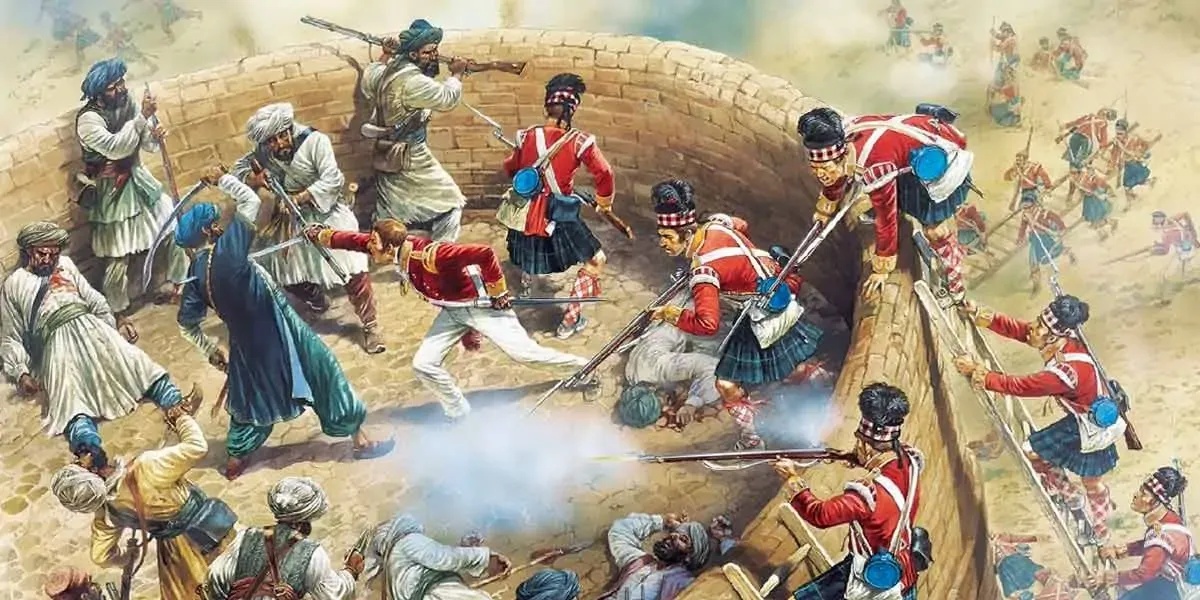
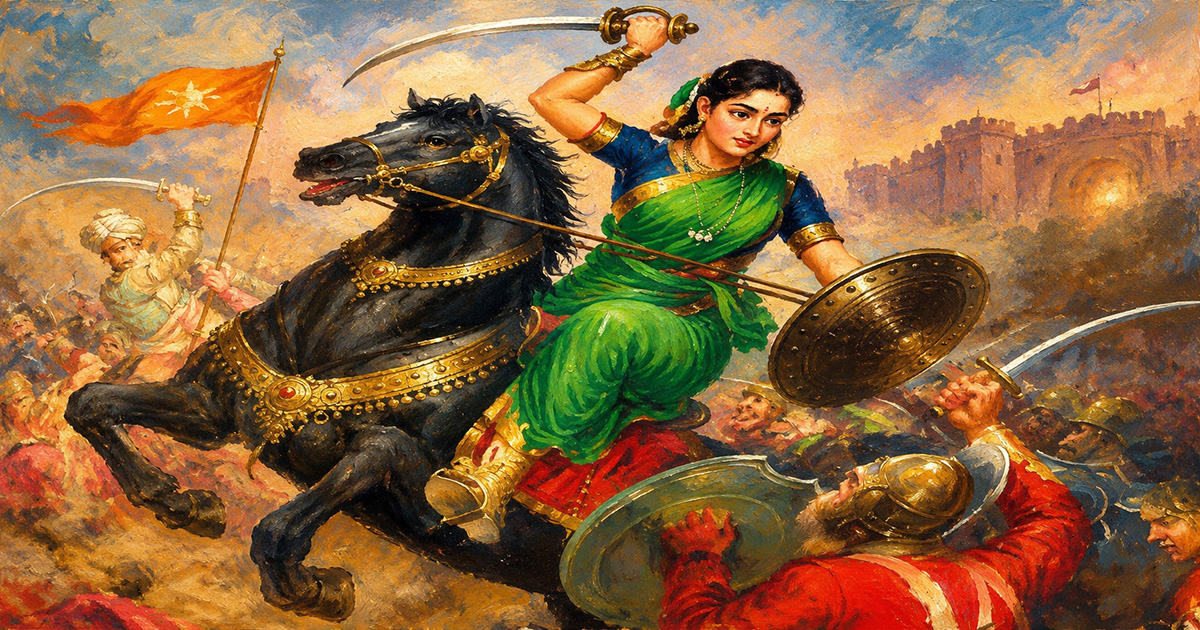
On 23 September 1803, a relatively unknown British general named Arthur Wellesley led a smaller, outnumbered force into the Maratha territory, and won one of the most brutally decisive battles in colonial history. Now, the Battle of Assaye wasn’t just a victory; it was a tectonic shift in the struggle for power in India. It cracked open the Maratha Confederacy and signaled the unstoppable march of the British Empire across the subcontinent.
Yet few today remember this pivotal fight. What unfolded near a small village in Maharashtra became a masterclass in military strategy, imperial ambition, and political betrayal. Here’s a deep dive into the causes, characters, chaos, and consequences of this forgotten turning point in Indian and global history.
What Sparked the Second Anglo-Maratha War?
The war ignited after the controversial Treaty of Bassein (1802), signed by Peshwa Bajirao II, a weak and unpopular Maratha leader ousted by rival Yashwantrao Holkar. In desperation, Bajirao turned to the British East India Company for help, agreeing to become their client in exchange for military support. This enraged other Maratha leaders, Scindia, Bhonsle, and Holkar, who saw the treaty as a sellout of Maratha sovereignty. With internal rivalries ripe for exploitation, the British found their perfect opportunity.
Where Did the Battle of Assaye Fit in the War?
Assaye was the first major test for British forces under Arthur Wellesley (later Duke of Wellington) in central India. On 23 September 1803, Wellesley faced a much larger Maratha army led by Scindia and Bhonsle near the village of Assaye. Despite being outnumbered nearly 2-to-1, Wellesley launched a bold and risky frontal assault. The result: a pyrrhic but decisive victory that shattered the Maratha army and set the tone for the rest of the campaign.
Who Were the Key Players on Both Sides?
- Wellesley: The future Duke of Wellington, then a relatively junior general, displayed tactical brilliance at Assaye.
- Daulat Rao Scindia: Leader of Gwalior’s forces, one of the most powerful Maratha chiefs.
- Raghoji II Bhonsle: Ruler of Berar and ally of Scindia during the campaign.
- Yashwantrao Holkar: A fierce rival of the Peshwa, who would later wage his own war against the British.
Why Was Assaye Such a Brutal Fight?
Wellesley’s force numbered under 5,000; the Maratha army possibly exceeded 30,000, including infantry trained by French officers. The battle was intensely personal and bloody. British casualties were over 1,500 (a third of their force), while Maratha losses may have topped 6,000. Wellesley later wrote:
“I should not like to see again such loss as I sustained on the 23rd Sept., even if attended by such gain.”
What Territories Changed Hands After the War?
Following British victories at Assaye, Argaon, Laswari, and Gawilghur, the Maratha leaders were forced into humiliating treaties:
- Treaty of Deogaon (Dec 1803): Bhonsle ceded Cuttack and Odisha.
- Treaty of Surji-Anjangaon (Dec 1803): Scindia gave up Delhi, Agra, Bundelkhand, and Gujarat.
- Treaty of Rajghat (Dec 1805): Holkar recovered some land but accepted British dominance.
These treaties gave the British control over the Indian heartland and paved the way for eventual empire-wide rule.
What Role Did Propaganda and Deception Play?
Without modern media, propaganda spread via letters, alliances, and battlefield rumors. The British used diplomacy and bribery, convincing some French officers to abandon the Marathas. Holkar’s victory at Poona was dramatised to gain public favor, while the British framed themselves as stabilizers rather than aggressors, masking imperial ambition in legalistic treaties.
What Happened to the Maratha Confederacy?
The war broke the back of the Maratha union. Peshwa Bajirao II became a puppet ruler under British protection. Scindia and Bhonsle were forced into subsidiary alliances. Holkar resisted longer, but political isolation weakened him. By the war’s end in 1805, the once-mighty confederacy was fragmented and effectively neutralised.
How Did the War Shape British Strategy in India?
The Second Anglo-Maratha War validated Governor-General Wellesley’s Subsidiary Alliance strategy, forcing Indian rulers into military and diplomatic dependence without outright annexation. Control of Delhi allowed the British to “protect” the Mughal Emperor, granting them symbolic supremacy. This approach laid the groundwork for the British Raj, formally declared in 1858.
What Historical Sources Document This Battle?
Wellesley’s campaign letters, known as the Maratha War Papers, offer firsthand insight into strategy and politics. British Library archives contain military reports, treaties, and officer dispatches. Academic works like R. G. S. Cooper’s The Anglo-Maratha Campaigns and John Pemble’s articles analyse logistics and tactics in depth.
Are There Memorials or Tributes to Assaye?
- Assaye Memorial (Maharashtra): Marks the battlefield, primarily honoring British forces.
- Battle of Laswari and Argaon Monuments: Commemorate Wellesley and Lake’s campaigns.
- Rajghat Memorial Complex (Nagpur): Includes Bhonsle-era tombs, tied to war memory.
- Shaheed Minar (Kolkata): Originally built to honor British campaigns in India.
Did Any Peace or Justice Efforts Follow the War?
While no international justice mechanisms existed then, multiple treaties formalized peace. Interestingly, Holkar negotiated the most equal terms, avoiding a British Resident and maintaining partial sovereignty. Still, the broader Maratha polity was brought under indirect British rule, ending indigenous political unity.
Were There Any Controversies or Debates?
Yes. Some historians argue the British provoked war through coercive diplomacy and manipulation of internal Maratha strife. Others note the Marathas were not technologically inferior, and defeat resulted more from poor coordination and betrayal by European officers than lack of military strength.
What Makes the Battle of Assaye Unique in Global History?
Assaye showcased the rise of a future global military icon, Wellesley, whose experiences in India shaped his leadership at Waterloo. It was also a moment when European imperialism collided violently with South Asian political complexity. The battle remains a case study in asymmetric warfare, alliance politics, and colonial expansionism.
Though little remembered today, the Battle of Assaye was a defining moment in both Indian and British history. It forged the path for a colonial empire and extinguished one of India’s last great native coalitions. Understanding this conflict is essential to understanding how modern India, and the British Empire, took shape.
.png)


.jpg)