15 Powerful Facts You Must Know About Rashtrakavi Ramdhari Singh Dinkar

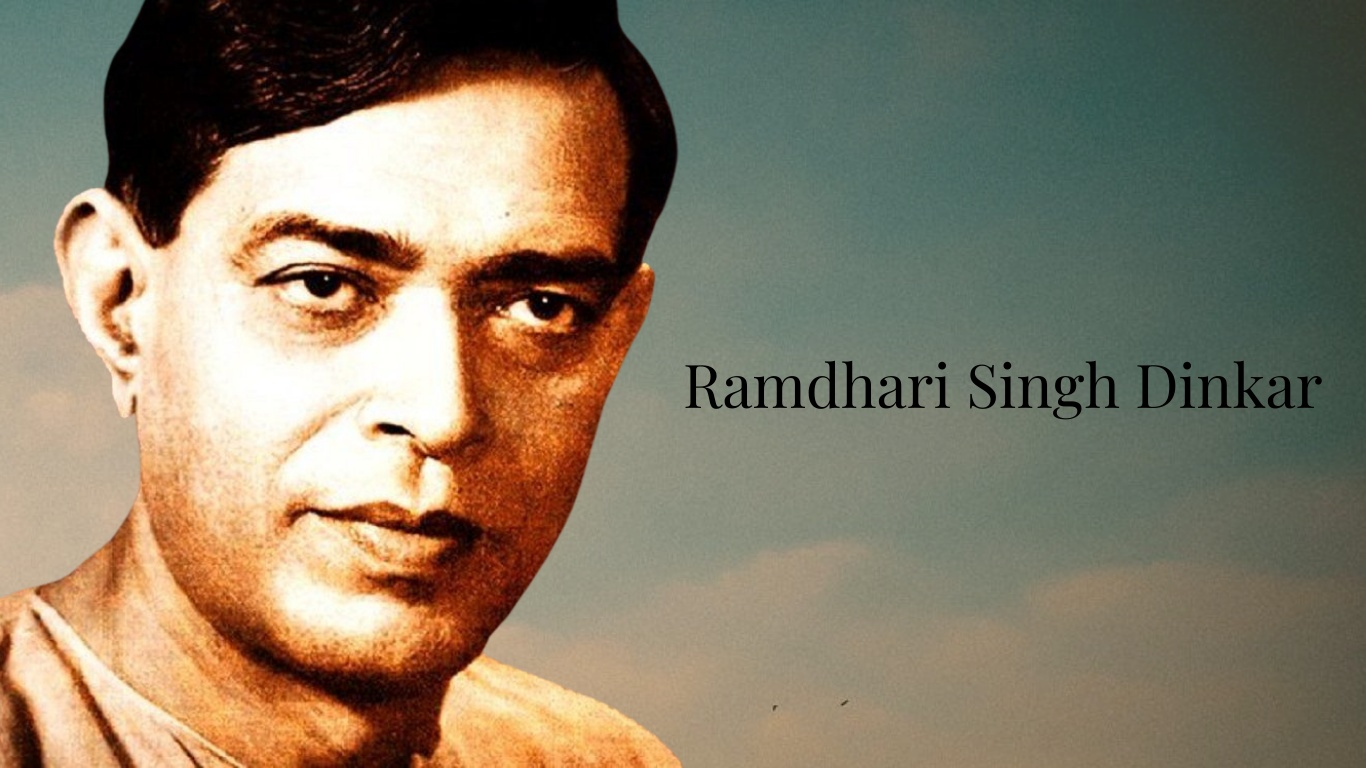
On July 23, India commemorates the birth anniversary of Ramdhari Singh Dinkar, one of the most celebrated voices of modern Hindi literature and a poet who stirred national consciousness with his fiery verses. Born in 1908 in Bihar, Dinkar emerged as a powerful literary figure during India’s freedom movement, blending patriotism with poetic brilliance. Revered as the “Rashtrakavi” (National Poet), his works inspired resistance, valor, and pride in India’s cultural heritage. Beyond poetry, Dinkar was a scholar, essayist, and Parliamentarian, whose words still echo in debates on justice and identity. His legacy remains a beacon for literary and nationalistic thought.
Today, as his poetry resurfaces in military campaigns and political speeches, one must ask: why does Dinkar still matter so deeply to the Indian soul?
In-Depth Breakdown:
1. Who Was Ramdhari Singh Dinkar, and Where Did He Come From?
Born into a poor Bhumihar Brahmin family, Dinkar’s early life in Simaria was steeped in agrarian hardship and cultural pride. Despite his father’s death when he was young, he pursued education passionately, studying Sanskrit, Hindi, and English at Patna College. His village roots and intellectual rigour shaped a poet who spoke for both the common man and the nation.
ALSO READ: “10 Important Things About Swami Vivekananda’s 1893 Speech That Changed How the World Saw India”
2. Why Is He Called “Rashtrakavi” – the National Poet?
Dinkar earned the title “Rashtrakavi” due to his ability to translate national emotions into powerful poetic language. His writings during the freedom struggle, especially Hunkar and Rashmirathi, stirred the youth, glorified sacrifice, and symbolized India’s collective will to resist colonial rule. Leaders all over the political spectrum recognized his ability to awaken patriotism with dignity and fire.
3. What Are Dinkar’s Most Influential Literary Works?
His major works include Rashmirathi (focused on Karna), Kurukshetra (post-war moral reflection), Sanskriti ke Char Adhyay (philosophical prose), and Urvashi (poetic drama). These works span mythology, nationalism, philosophy, and social justice, making him one of the most versatile figures in Hindi literature.
4. How Did Dinkar Influence India’s Freedom and Post-Independence Politics?
Dinkar’s fiery verses inspired both revolutionaries and masses. Post-independence, as a Rajya Sabha member from 1952 to 1964, he gave some of the most cited Hindi speeches, advocating for cultural dignity, language rights, and national unity. His writings often critiqued injustice and argued for dharmic resistance when peaceful options failed.
5. What Major Awards and Honors Did He Receive?
He received the Padma Bhushan and Sahitya Akademi Award in 1959, and the Jnanpith Award posthumously in 1972 for Urvashi. He also served as Vice-Chancellor of Bhagalpur University and was the Hindi Advisor to the Ministry of Information and Broadcasting, further reflecting his cultural and institutional influence.
6. How Is His Poetry Still Relevant in Today’s India?
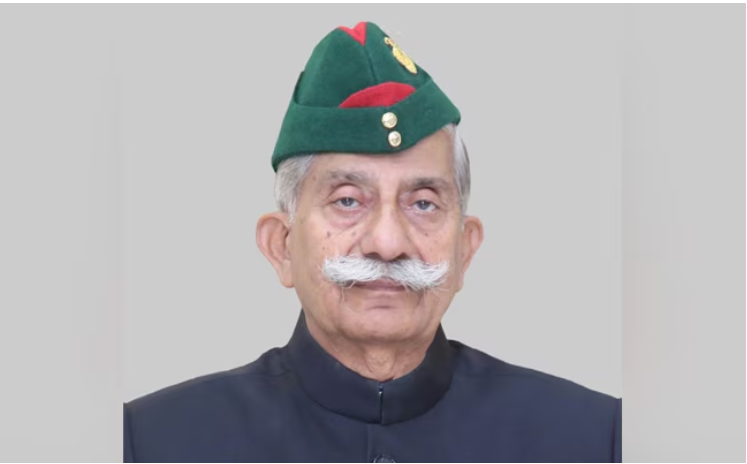
In recent years, Dinkar’s lines from Rashmirathi were quoted during Indian military campaigns like Operation Sindoor. His quote, “Yachna nahi ab ran hoga,” was invoked by Air Marshal A.K. Bharti, demonstrating how his calls for moral courage and resistance remain central in national defense and diplomacy narratives.
7. Did He Ever Contradict His Own Beliefs?
Yes, Dinkar admired Gandhi but admitted he was a “Bad Gandhian.” His poetry often celebrated armed resistance, drawing more inspiration from revolutionaries like Bhagat Singh and mythological warriors. This complex duality made him relatable to both pacifists and realists in Indian society.
8. Was He Just a Poet or Also a Political Thinker?
Dinkar was deeply political, though not aligned to any party formally. He supported Congress ideologically and admired Nehru. His speeches and essays, like Arth Tantra aur Rajniti, dealt with governance, justice, and policy, making him a rare combination of artist and statesman.
9. What Are Some Lesser-Known Facts About His Life?
He helped establish the “Manoranjan Library” in Simaria to promote reading. He edited Hindi journals, translated Sanskrit texts, and defended copyright law in Parliament. His quote, “There can be no peace unless justice is equal,” from Kurukshetra, remains profoundly underquoted in peacebuilding circles.
10. Was Dinkar Ever Involved in Any Controversies?
No. Ramdhari Singh Dinkar maintained a reputation of ethical clarity and was never involved in personal, financial, or political scandals. His legacy has been free from the taint of controversies, a rare feat for someone so public and vocal.
11. How Did He View Religion and Mythology?
Dinkar reinterpreted mythological characters like Karna and Krishna not as divine figures but as moral strategists. This secular yet spiritual interpretation brought epics into real-life debates on caste, war, and justice. He saw mythology as a mirror to modern dilemmas, not just devotional tales.
12. What Did He Say That Still Echoes in Politics Today?
Lines like “Do nyay agar to aadha do…” (“If you give justice, give at least half…”) were quoted during the Emergency. His understanding of dharma (justice) vs shanti (peace) is often referenced in debates about India’s defense posture, minority rights, and constitutional values.
13. Why Is He Underrepresented in Modern Discourse?
While patriotic poems like Rashmirathi are celebrated, his humanist and ethical explorations remain neglected. Curricula rarely feature his essays or speeches. To correct this, his complete works need reprinting, classroom inclusion, and dramatic reinterpretation on stage or film.
14. How Can India Reclaim Dinkar’s Full Legacy?
By integrating his writings into national celebrations, educational programs, and youth events. His poetry should be introduced beyond Independence Day, into daily civic discourse. Digital platforms, audiobooks, and stage performances can reawaken public interest in his broader intellectual contributions.
15. What Makes Him Timeless?
Dinkar’s ability to blend mythology with modernity, resistance with responsibility, and poetic beauty with political clarity makes him eternally relevant. He was not just a poet of the past, but a thinker for the future.
.png)