Rajiv Gandhi Jayanti: 7 Decisions That Tarnished His Political Image

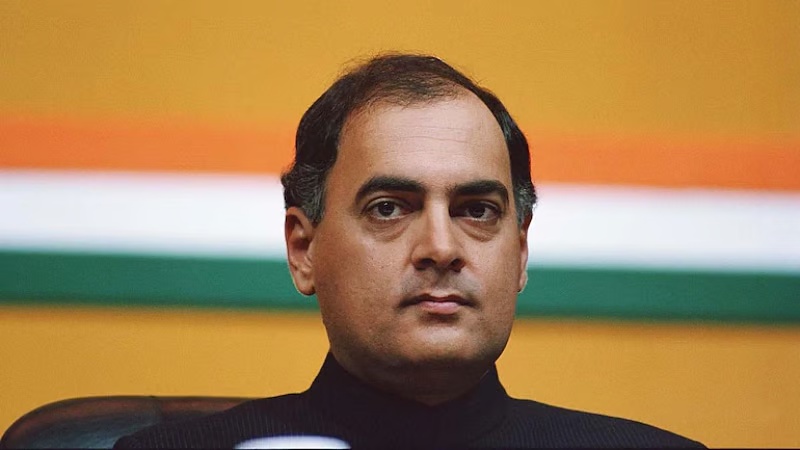
Every year, India observes 20th August as Sadbhavana Diwas (Harmony Day) to mark the birth anniversary of former Prime Minister Rajiv Gandhi. He is remembered for laying the foundation of India’s IT and telecom revolution, empowering Panchayati Raj institutions, and encouraging innovation in education and administration. Rajiv Gandhi emphasized youth, a modern India, and technological advancement.
However, his tenure was also marred by several controversies. Decisions like those in the Shah Bano case, the Bofors scandal, and the IPKF failure in Sri Lanka continue to attract criticism. These controversies were so significant that even decades after his death, the Congress Party has often been compelled to defend him on these issues.
Why Was Rajiv Gandhi’s Role in the Shah Bano Case Controversial?
The Shah Bano case remains one of the most disputed chapters in Rajiv Gandhi’s political career. In this case, a lawyer from Indore divorced his 43-year-old wife Shah Bano after 43 years of marriage, leaving her and their five children homeless.
Shah Bano sought maintenance through the courts. Both the High Court and later the Supreme Court ruled in her favor. However, in 1986, in an attempt to appease Muslim conservatives, Rajiv Gandhi introduced the Muslim Women (Protection of Rights on Divorce) Bill, which became law.
The law limited the alimony period for divorced Muslim women to just three months. This decision was widely seen as minority appeasement and drew intense criticism, becoming a defining controversy of his tenure.
To What Extent Was Rajiv Gandhi Responsible for the Anti-Sikh Riots?
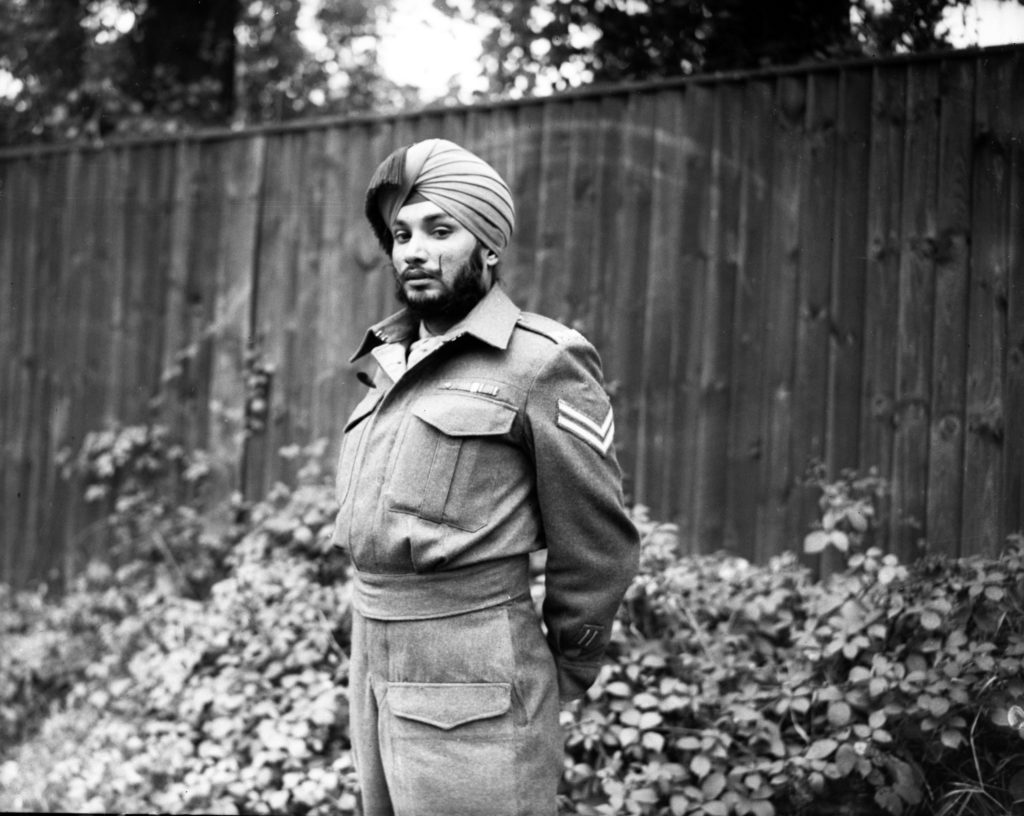
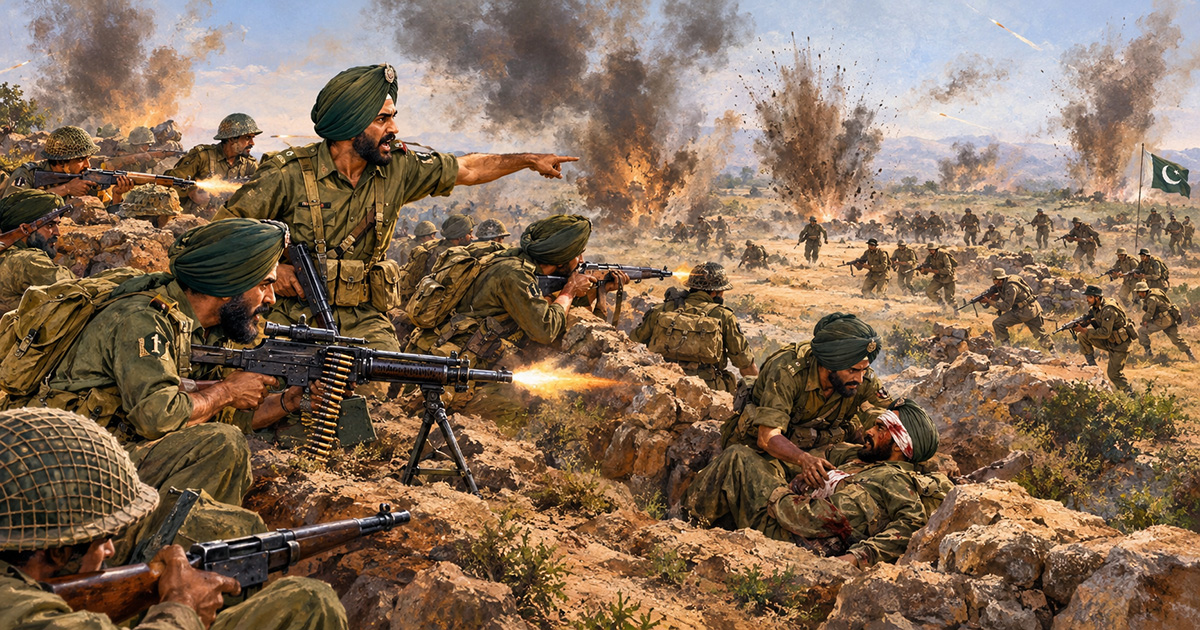
On 31 October 1984, Prime Minister Indira Gandhi was assassinated by her Sikh bodyguards. Following her death, violent riots broke out, particularly in Delhi, Kanpur, and Bhopal, targeting Sikhs. Thousands were killed, their homes and businesses were looted, and gurdwaras were set on fire.
Rajiv Gandhi was accused of failing to act decisively to stop the violence, while several Congress leaders were alleged to have incited mobs. His infamous statement, “When a big tree falls, the earth shakes,” further damaged his public image, as it was interpreted as an attempt to justify the violence.
What Was Rajiv Gandhi’s Role in Letting the Bhopal Gas Tragedy Accused Escape?
The Bhopal Gas Tragedy occurred in 1984 when poisonous methyl isocyanate gas leaked from the Union Carbide plant, killing thousands and affecting hundreds of thousands more.
At the time, Union Carbide’s chairman, Warren Anderson, came to India but faced massive public outrage. Local authorities informed the central government that they could not guarantee Anderson’s safety.
Following this, under instructions reportedly from Rajiv Gandhi, then Home Minister P.V. Narasimha Rao ordered the Madhya Pradesh government to ensure Anderson’s safe exit from India.
This led to serious allegations that Rajiv Gandhi had facilitated the escape of the primary accused. Later legal proceedings accused the government of deliberately allowing Anderson to flee.
What Was Rajiv Gandhi’s Link to the Bofors Scandal?
In 1986, the Indian government signed a deal with Swedish company AB Bofors to purchase 400 howitzer guns for ₹1,437 crore. Soon after, Swedish Radio revealed that the company had paid around ₹60 crore as kickbacks to Indian politicians and officials to secure the contract.
This revelation triggered a major political storm. The then Defence Minister, V.P. Singh, launched a strong anti-corruption movement, which significantly damaged Rajiv Gandhi’s image.
The Bofors scandal cost the Congress Party heavily in the 1989 Lok Sabha elections, leading to Rajiv Gandhi’s defeat as Prime Minister. Even today, the case remains a political challenge for Congress.
How Did Rajiv Gandhi Publicly Admit to Corruption?
In 1985, during a public rally in Madhya Pradesh, Rajiv Gandhi openly admitted that when the central government allocates one rupee for public welfare, only 10–15 paise actually reach the people, while the rest gets lost to corruption and middlemen.
This statement reinforced the opposition’s allegations about widespread corruption during his rule. In the 1989 elections, corruption became a central issue, contributing to Congress’s loss.
Did Rajiv Gandhi Use the Ram Temple Issue for Electoral Politics?
Facing backlash from Muslims after the Shah Bano controversy, Rajiv Gandhi reportedly tried to appease Hindu voters ahead of the 1989 Lok Sabha elections. He ordered the unlocking of the closed gates of the Ram Janmabhoomi site in Ayodhya, allowing prayers there, and even launched his campaign from Ayodhya.
This move was seen as an attempt at vote-bank politics, but it backfired, with the BJP emerging as the major political gainer.
Why Did Rajiv Gandhi’s Sri Lanka Policy Fail?
In July 1987, India mediated peace talks between the Sri Lankan government and the LTTE. LTTE chief Velupillai Prabhakaran was brought to Delhi to meet Rajiv Gandhi. However, neither Sri Lankan President J.R. Jayewardene nor Prabhakaran was genuinely interested in peace.
Despite this, a formal accord was signed in Colombo, pledging to end hostilities.
During a ceremonial guard of honor in Sri Lanka, a Sinhala soldier attacked Rajiv Gandhi with a rifle, signaling deep resentment.
Soon after, India launched Operation Pawan and deployed troops in Sri Lanka, but they faced heavy resistance from the LTTE. Prabhakaran rejected the peace deal, and in 1990 Indian forces were withdrawn.
In 1991, Rajiv Gandhi was assassinated by an LTTE suicide bomber, a tragic consequence of this failed policy.
.png)