Rajmata Jijabai: The First Ever Recorded Case of Gharwapsi in the 17th Century

Shikar Shingnapur, near Satara, Maharashtra, was the place where Jijabai, the mother of Shivaji, took the lead in bringing about the reconversion of Bajaji Nimbalkar, who had embraced Islam and was subsequently made a Hindu. This was in the year 1651, after he returned from Bijapur. According to multiple sources, this might be one of the first cases of reconversion (ghar wapsi) in Indian history.
This brings us to the question, why was Rajmata Jijabai involved? Who was Bajaji Nimbalkar? And what were the events that led to his reconversion?
On the birth anniversary of Rajmata Jijabai, we proudly present this story in her honor.

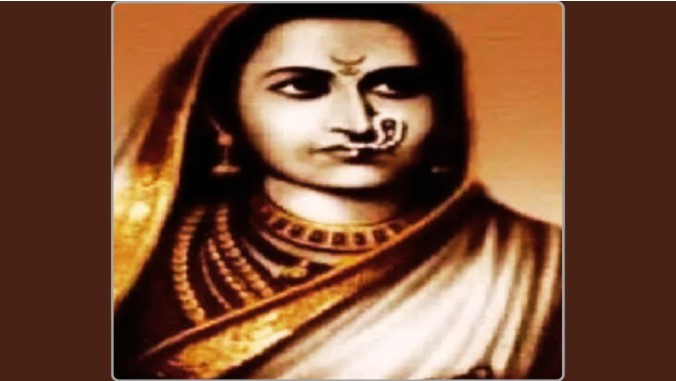
Rajmata Jijabai, mother of Chhatrapati Shivaji Maharaj
The Strict Rule
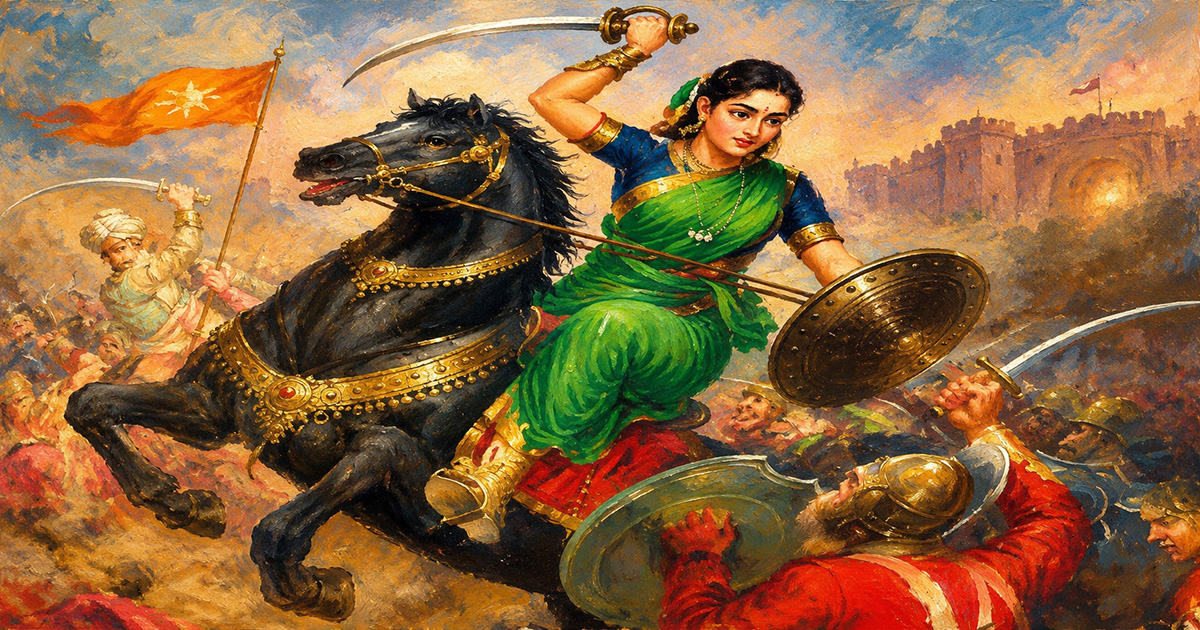
In the mid-17th century, when the Deccan reeled under political turmoil due to Islamic invaders and subsequent forced conversions, a personal tragedy struck the Jijabai and Chhatrapati Shivaji’s Maratha household. Bajaji Nimbalkar, brother of Saibai, Shivaji’s first wife, was captured by Adilshahi soldiers and converted to Islam under force. The society in the mid-17th century believed that conversion was final, and any person who converted was considered to be in spiritual exile. Orthodox custom held that no one who had crossed religious boundaries could ever return to the Hindu fold.
The news of conversion reached Rajmata Jijabai; she felt the pain as a family matriarch and also as the force behind the empire. She understood the psychological warfare behind such coerced conversions. Forced conversion was a weapon meant to break the morale of Hindu nobles and sow fear among villagers. Jijabai thought that if a high-ranking official like Bajaji could be taken by the invaders, it would create helplessness across the Maratha Empire.
What she did next was unthinkable. In consultation with her son, Chhatrapati Shivaji Maharaj, she started thinking about the idea of his reconversion. She argued that the community must show courage in reclaiming its own. Her argument went against centuries of ritual orthodox and conservative practices that opposed any form of reconversion.
A Decision to Bring Bajaji Home
In and around 1651, at Shikhar Shinganapur, a temple sacred to the Nimbalkar family and important to Jijabai, a purification and shuddhi ceremony was conducted. Many Brahmin priests refused to officiate, fearing backlash from religious orthodox society, but other scholars and reformist priests stepped forward. The ceremony symbolically restored Bajaji to the Hindu community, marking one of the earliest recorded cases of reconversion in Maratha history.

Shikhar Shinganapur | Image Source: TripAdvisor
The precedent Jijabai set became a cornerstone of early Swarajya. Years later, when the Mughal Empire forcibly converted Netaji Palkar, one of Chhatrapati Shivaji’s top generals, he applied the same principle taught by his mother —welcoming Netaji back into the Hindu fold with full honour. Through this bold reform, Jijabai reshaped the moral and social foundation of the Maratha state. In addition to restoring temples, reviving traditional arts and Hindu fairs and festivals, Jijabai set another trend in the concept of accepting back our own people.
.png)
.jpg)