Ritam’s Take on History This October: Then and Now

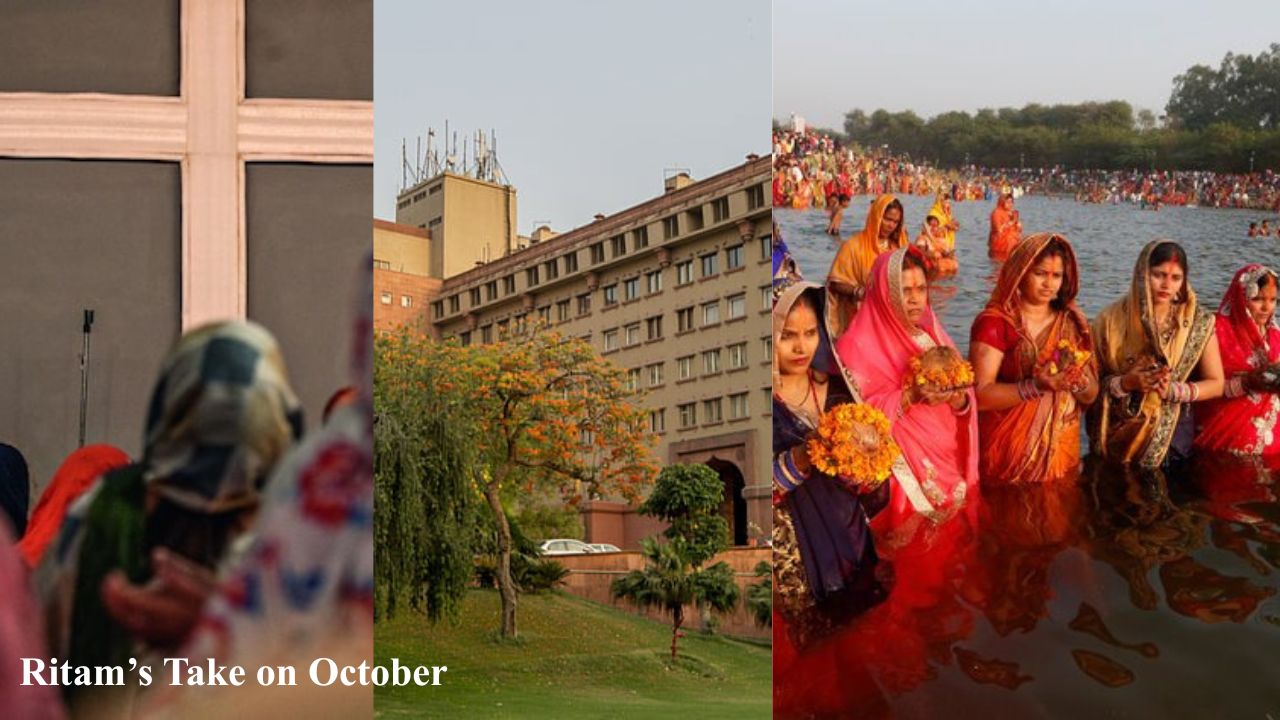
October 2025 stands out as a month of vibrant celebrations and historical significance for Bharat. The month began with the grandeur of Durga Puja, followed by the spirited Kullu Dussehra, and will continue into the luminous festivities of Diwali and the devotional rituals of Chhath Puja.
This Vijayadashami (October 2, 2025) also marked a major milestone — the Rashtriya Swayamsevak Sangh (RSS) completed 100 years. On the very same day, its women’s wing, the Rashtriya Sevika Samiti, celebrated 89 years of dedicated service.
Let’s look at some significant incidents that have to be remembered this October.
Women’s Empowerment has emerged as a very powerful theme this month.
As Bengal celebrates Kali Puja on October 20, 2025, we also fondly honor Sister Nivedita on her death anniversary (October 13, 1911), who started her first school for girls on the occasion of Kali Puja (1898). Sister’s affinity towards Maa Kali symbolises both fierce courage and fearlessness. Jai Maa Kali!

Kali Puja celebration in West Bengal | Credit: Media India Group
In 1891, Kadambini Bose Ganguly (who died on October 3, 1923), India’s first woman graduate and doctor, played an important role in increasing the age of consent for girls from 10 years to 12 years. Her medical work and advocacy were crucial in driving one of the earliest legal reforms aimed at protecting young girls from the harms of child marriage.

Kadambini Ganguly | Credit: Delhipedia
However, now in 2025, the Supreme Court of India received a petition from Indira Jaising to reduce the age of consent from 18 to 16 years.
Also Read: The Age of Consent in India: From Kadambini Bose Ganguly’s 1891 Legacy to the 2025 Supreme Court Petition
Another interesting historical snippet related to women in the health sector is from Maharashtra. Seva Sadan, founded by Ramabai Ranade in October 1908-1909, was instrumental in overcoming barriers for women in nursing and helped women train as nurses and treat male patients as well.
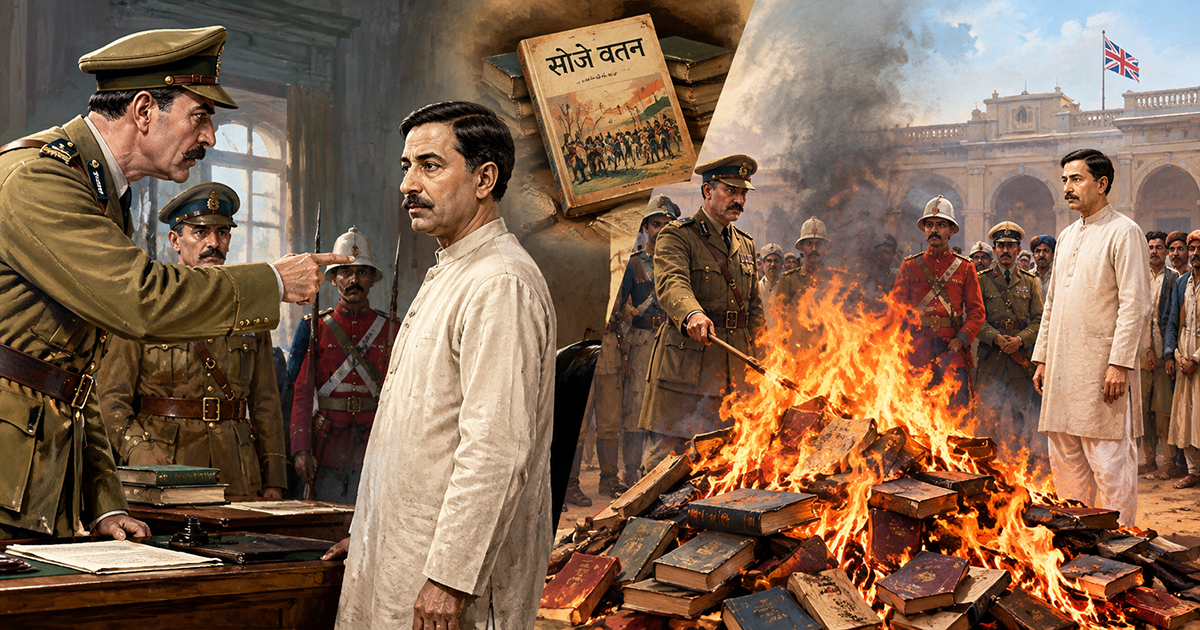
October is also a very important month for the Indian Penal Code. Did you know the first case of sedition filed under the IPC was related to increasing the age of consent?
The first case of sedition under the Indian Penal Code (IPC) was heard in 1891 by the Calcutta High Court in the case of Queen Empress v Jogendra Chunder Bose. The accused were the proprietor, editor, manager, and printer of a Bengali magazine called Bangobasi. They were tried for sedition for publishing an article that criticized the British government’s decision to raise the age of consent for sexual intercourse from 10 to 12 years. During the trial, charges against them were dropped after they tendered an apology.
This October, we also honour Lal Bahadur Shastri (born 1904) in his birth month and fondly remember him as the boy who swam across the Ganges every day to school. The link between Ganga and his life continued with his graduation at Kashi Vidyapeeth in Varanasi and beyond that as well. Most importantly, when Shastri was the Transport Minister, he introduced the provision of female drivers and conductors in public transportation.

Lal Bahadur Shastri | Credit: Money Control
In addition to incidents of Women’s Empowerment, let us also understand the other important incidents that we need to revisit this October.
In the south of Bharat, as Karnataka celebrates Shivaram Karanth’s birth anniversary (1902), and his phenomenal role in modernising Yakshagana, a traditional dance form from Karnataka.
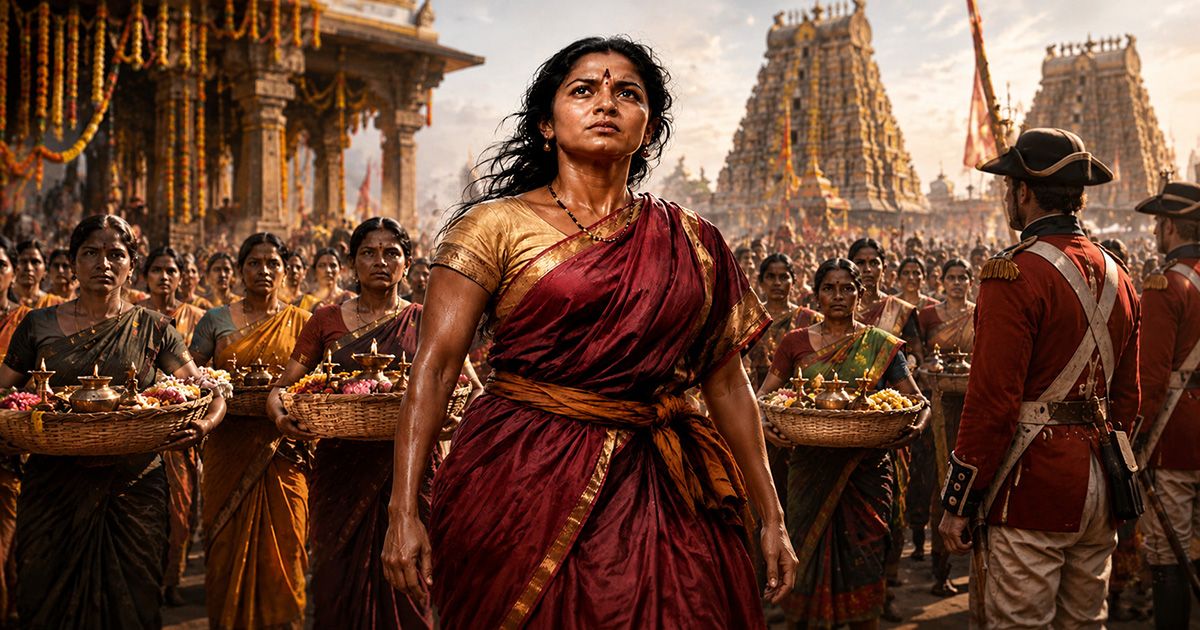
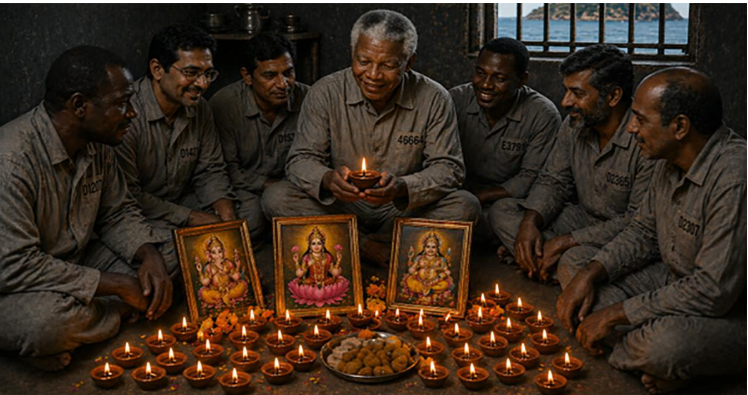
We also pause to mourn with the only community that does NOT celebrate Diwali, the Mandyam Iyengar Community. Tipu Sultan’s atrocities against the Mandyam Iyengar community in Melkote, Karnataka, remain one of the well-planned atrocities against Hindus.
Also Read: Two Hindu Festivals, Two Hindu Massacres from Two Different Parts of Bharat: Shouldn’t this be Taught in Schools?
Pre-independence Bengal in October was shaken by the Partition of Bengal in 1905 and also the Noakhali Hindu genocide in 1946.

Noakhali Genocide of 1946 | Credit: Hindu Genocide
The genocides of Noakhali in Bengal and Melkote in Karnataka happened right on the day of festivals, but 156 years apart. The pattern was the same. Organise as a mob, hurt Hindus, and give them no time to react. And most importantly, we still have very limited organised information on these attacks against Hindus.
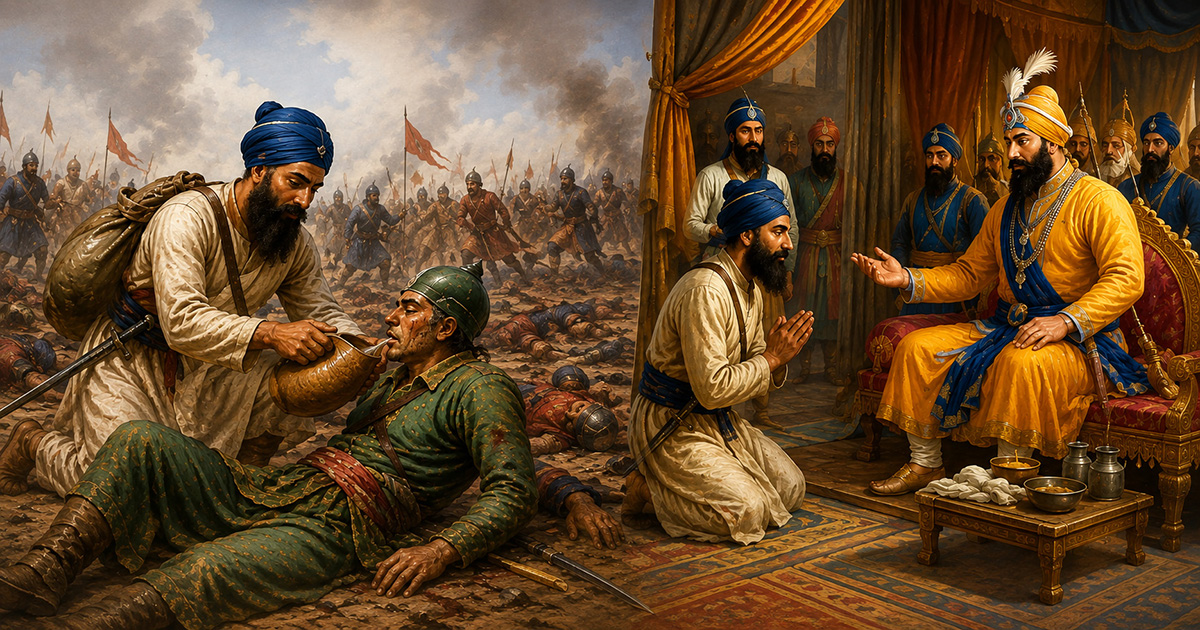
In Punjab, as we celebrate marathoner Fauja Singh on his birthday (1911), we also observe World Vegetarian Day (October 1) and marvel at how Fauja Singh drew his strength from a strictly vegetarian diet all his life.
Historically, October is also an important month for fighting the evangelical forces in Punjab. The Singh Sabha Movement originated in Punjab in 1873 to preserve Sikh identity against conversion, and 183 years later, a similar type of movement was started by the Shiromani Gurdwara Parbandhak Committee (SGPC) in 2001. Punjab needs more such movements to fight the evangelism by 6500 Pastors in the state.

Sikhs in Punjab being converted to Christianity | Credit: India Today
Coming back to Delhi, the Indian Tourism Development Corporation (ITDC) was established in the month of October 1966. But did you know that the Ashok Hotel in Delhi, which is currently managed by ITDC, was built in 1956, 10 years before the formation of ITDC. And the most interesting aspect is that the Ashok Hotel was built for an UNESCO conference which was hosted by India for the first time in 1956. The hotel was built in 14 months as Delhi did not have a world-class hotel to accommodate the international visitors. Even Vigyan Bhawan was constructed for the same purpose.

Ashok Hotel in New Delhi
In Gujarat, the world’s largest Statue of Unity was opened this month in 2018. Sardar Vallabhai Patel’s Statue of Unity has created economic progress for the lives of tribals and women in Kevadia. Described as a “game changer” project, the prasad for the aarti ceremony on the banks of Narmada is prepared by local tribal women. They prepare chikkis. There are women auto drivers in Kevadia, Gujarat, to ply the tourists.

Statue of Unity in Gujarat | Credit: Gujarat Times
Many of the services offered as part of the project employ local people as guides, food café workers, and golf cart drivers. Tourists can experience tribal culture firsthand by staying in one of 22 tribal homes located in villages around the monument. Similar to the Statue of Liberty, the Statue of Unity is also likely to turn green in less than 100 years.
During his birth month, as we honor Sardar Patel, did you also know that the civil services exams are the brainchild of Sardar Patel? Commonly referred to as the All India Services, the IAS, IPS, and IFS form the core of civil administration in Bharat.
While we celebrate Chath Puja in the last week of October, the Indian government has been working to include Chatth Puja in the United Nations Educational, Scientific, and Cultural Organization (UNESCO) Intangible Heritage List. Do you know that the Kolkata Durga Puja was added to the list in 2021?

Chhath Puja celebrations | Credit: Tribune India
As we begin the festivities of Dhanteras from today, followed by Diwali, Govardhan Puja, and Bhai Dooj, we will be ending the month with the festivities of Chatth Puja (from October 26), the festival that worships the sun twice a day.
Stay tuned for more such linkages and interesting snippets from historical and contemporary Bharat in November.
.png)