How Was Diwali Celebrated in Robben Island's Dark Prison? Nelson Mandela Revealed the Truth
Far from mere nostalgia, for Nelson Mandela, Diwali symbolized light piercing apartheid's darkness, embodying unity and religious pluralism.

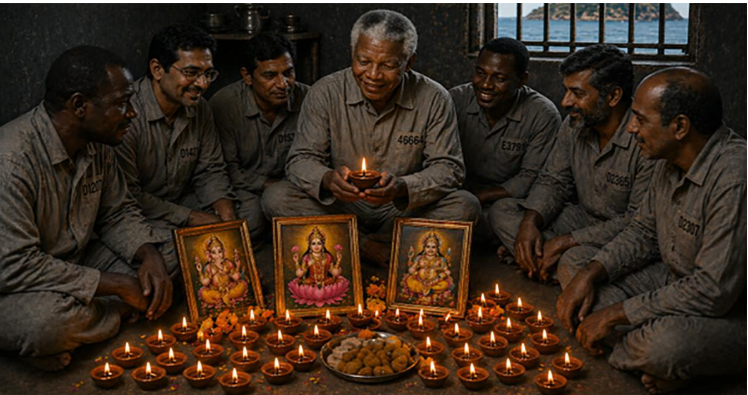
This image is AI-generated
Robben Island, South Africa's notorious maximum-security prison, confined Nelson Mandela for 18 of his 27 years of imprisonment. Life behind its bars was grueling: backbreaking labor, rigid rules, suffocating isolation. Yet around every Diwali, a unique light flickered within. In his November 3, 1991, Diwali speech at Durban's City Hall—one year after release—Mandela emotionally shared: "Diwali reminds me of the days I spent on Robben Island." Far from mere nostalgia, it symbolized light piercing apartheid's darkness, embodying unity and religious pluralism.
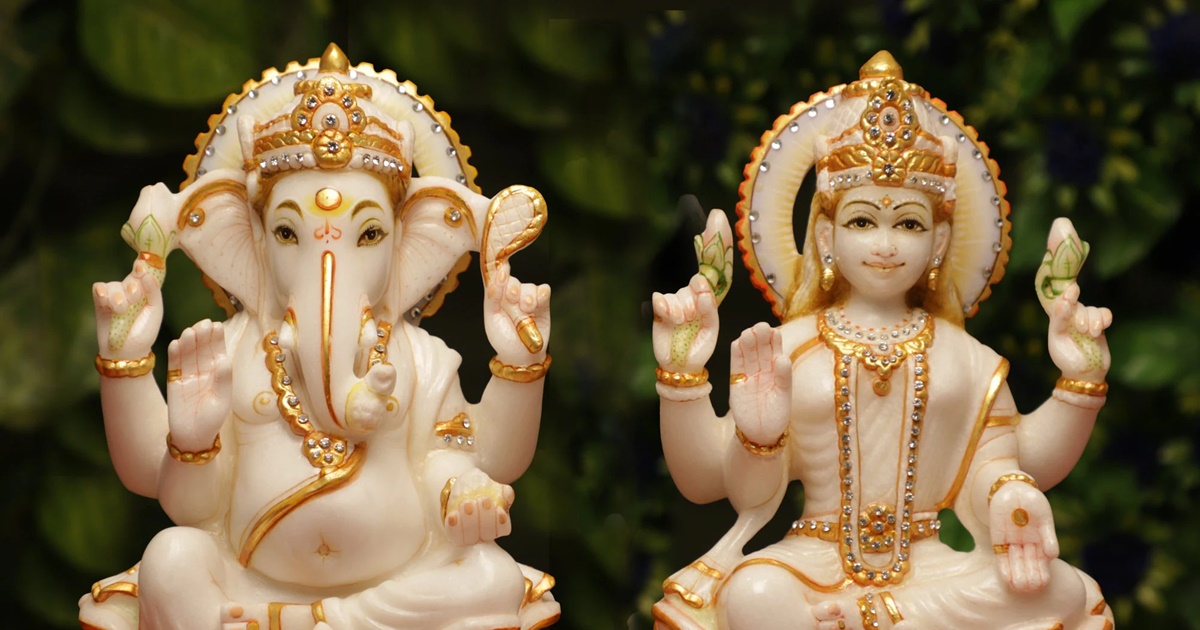
Mandela recounted how Diwali was regularly celebrated on Robben Island. While Hindus worldwide lit lamps, Hindu priests visited as special guests, such as Sri Govender from Cape Town and Sri Padayachi from Pretoria. These priests prayed with Hindu inmates, bringing sweet packets despite towering walls, igniting hope. They recited Ramayana tales, extending Diwali's triumph of light over darkness into the prison's dim cells.
Prison authorities were narrow-minded, insisting sweets were "only for Hindus—no non-Hindus allowed." Mandela and fellow inmates challenged this, arguing Hindutva embraces all humanity universally, not divisively. Through debate and persistence, they prevailed: Diwali transcended Hindus, becoming a shared festival for all.
Mandela proudly declared being part of this 5,000-year-old festival an honor. He celebrated with Indian comrades like Wilton Mkwayi, Ahmed Kathrada, Ismail Ibrahim, Billy Nair, Mac Maharaj, Issu Chiba, and George Naicker. Prayers, sweets, and cultural exchange amid hardship sent a powerful message: Religion unites, not divides. Inmates respected traditions, kindling lamps to spark hope in prison nights.
This wasn't just sweets and prayers—it was a subtle rebellion against apartheid. South Africa's Indian Hindu community long suffered under these racist laws (1948–1994). Priests and inmates proved cultures enrich, don't separate. Mandela cherished these memories, repeatedly affirming his pride.
Robben Island shaped Mandela's worldview. Each Diwali with Hindu friends reinforced unity in diversity. Priests brought news, shared struggles, boosted morale, proving Diwali's light could pierce apartheid's gloom. Collectively, they showed humanity transcends religion, caste, or color.
Today, this Robben Island Diwali tale inspires: Even in dire states, tolerance and unity's lamp can shine.