Mufti Shamail Nadvi: A 21st-Century Islamic Speaker or a ‘New Zakir Naik’?

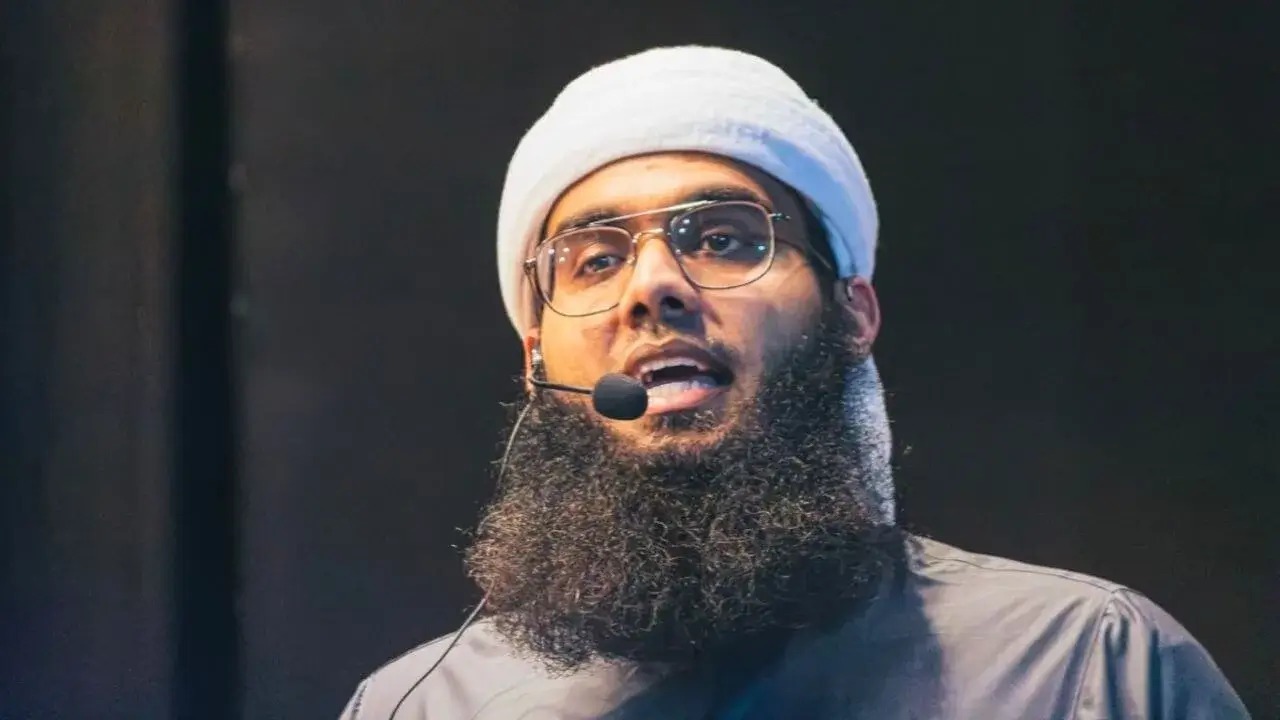
Mufti Shamail Nadvi first rose to national prominence after participating in a debate titled ‘Does God Exist?’ with Javed Akhtar at the Constitution Club in Delhi. As the video of the debate went viral on social media, his old speeches, religious pronouncements, and political comments began to be scrutinized afresh. This raised the question of whether this speaker is merely confined to religious discussions, or whether his statements are creating an ideological stance that conflicts with India’s constitutional framework. This debate is now not just about Nadvi, but it is touching upon larger questions about the relationship between religion, the state, and civil rights.
Nadvi’s Background and Organisational Reach
Mufti Shamail Nadvi was born in Kolkata. He obtained his ‘Mufti’ degree in Islamic studies from Darul Uloom Nadwatul Ulama in Lucknow. Later, he went to Malaysia for higher studies and is currently conducting research in Islamic studies there. In 2021, he launched the online Islamic education platform ‘Markaz Al-Wahyan’ and in 2024, a charitable trust called ‘Wahyan Foundation’.
Through these two organizations, Nadvi has created an international religious network. He has millions of followers on his social media platforms. Various screenshots show his X (formerly Twitter) account location as ‘Based in Malaysia’, which suggests that his digital activities are being conducted from abroad or that he is using a VPN to conceal his true identity. This is where comparisons with Zakir Naik begin to emerge.
Statements Against the Constitution
At the heart of the controversy surrounding Nadvi is a statement in which he says that if Allah has given a decision on a matter, then the decision of the parliament or the court is not acceptable. He further states, “We have wrongly placed the country above the Deen (religion).”
This statement is in direct conflict with India’s constitutional framework. India is a secular state where laws are made by the parliament and interpreted by the courts. No religious law is above the law of the state. Nadvi’s statement denies this fundamental principle. This is where critics say it’s not just a religious opinion; it raises questions of loyalty to the state.
The Conflict Between Religious Supremacy and Pluralism
In several videos, Nadvi has stated that all religions except Islam are “false” or “erroneous.” According to him, people can only be on the right path if they embrace Islam. This statement is particularly sensitive in a multi-religious country like India, where the constitution guarantees religious freedom to its citizens. Such statements go beyond the limits of religious opinion and create a language of social division, pitting the beliefs of one community against another.
Idols, Dawah, and the Boundaries
In a video released in 2024, Nadvi told non-Muslims that abandoning idol worship and embracing Islam is the right path. He described this as ‘dawah’ or the duty of religious propagation. However, critics argue that this goes beyond the limits of religious preaching and amounts to declaring other religions illegitimate. India’s legal framework does not prohibit conversion, but it does not condone forced or offensive proselytization. It has been alleged that Nadvi’s language often crosses this line.
Nadvi’s Stance on Women and Civil Rights
Nadvi’s statements contain several controversial remarks regarding the role of women. He has said that women working outside the home is “slavery” and that serving their husbands at home is true freedom. He further claimed that women’s testimony should be given less weight than men’s because they are emotional. This position contradicts the principle of equality enshrined in the Indian Constitution, where men and women enjoy equal civil rights. This statement is not merely a religious interpretation, but creates a conflict with the modern legal framework.
The Waqf Bill and the Politics of Incitement
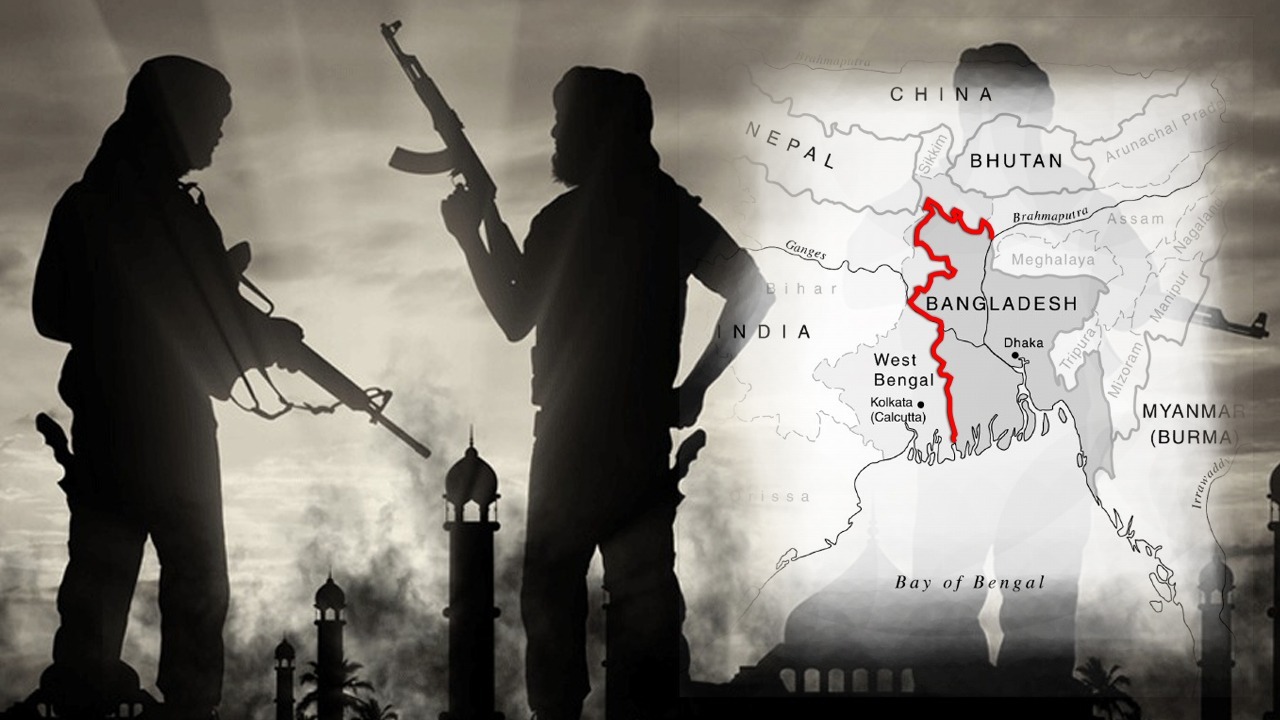
In 2025, while opposing the Waqf Amendment Bill, Nadvi said at a rally, “We will have to take to the streets wearing shrouds.” Shortly after, violent protests erupted in various parts of West Bengal. Although there is no direct evidence that he incited violence, it has been alleged that his language contributed to escalating tensions.
The Malaysia Connection and the Shadow of Zakir Naik
The revelation that Nadvi’s activities were being conducted from Malaysia further strengthened comparisons with Zakir Naik. Naik also propagated Islam from abroad and repeatedly clashed with the Indian Constitution. A similar pattern is observed in Nadvi’s case. Foreign-based operations, digital dawa (religious proselytization), and rhetoric that places religion above the state.
Strikingly, Zakir Naik is also currently residing in Malaysia. He has been living there with permanent residency since 2016. Although the Indian government has made several requests for his extradition, it remains before the Malaysian government. It is worth recalling that more than 260 people were killed in the suicide bombings on Easter Sunday in Sri Lanka in 2019. The investigation revealed that the main planner of the attacks, Zahran Hashim, and some of the terrorists were inspired by Zakir Naik’s extremist speeches.
Supporters vs. Critics
Nadvi’s supporters say he is merely promoting Islamic education and that his statements are being misinterpreted. According to them, he has the right to religious freedom. On the other hand, critics say that under the guise of religious freedom, he is spreading a political ideology that is unconstitutional.
The Broader Significance of the Controversy
The controversy surrounding Mufti Shamail Nadvi actually raises a larger question: Can religious supremacist views dictate terms in a country like India or will it influence state decisions? The answer to this question will determine whether Nadvi remains merely a religious speaker or becomes the next hate preacher after Zakir Naik.

.jpg)