Balakot: From Syed Ahmad’s ‘Jihad’ in the 19th Century to the 21st Century ‘Fidayeen Factory’

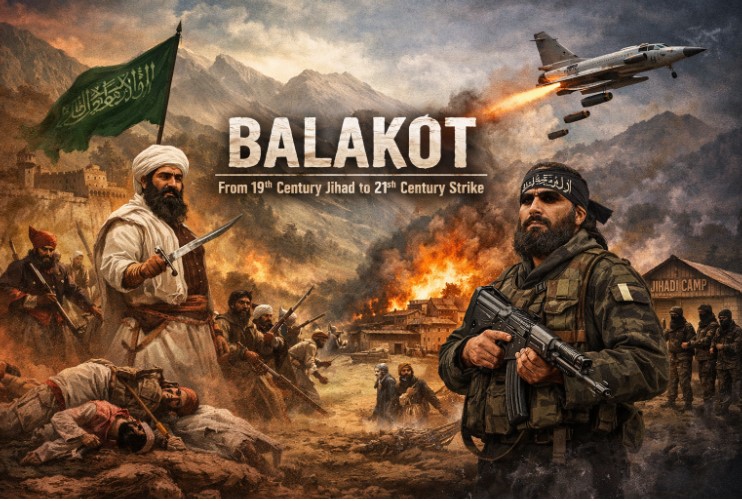
One city, two centuries, one pattern: Balakot’s story unfolds in this way, where cries of ‘jihad’ from the 19th century and the 21st century’s ‘fidayeen factory’ both thrive amid the same hills and valleys. Once a stage for religious war for the followers of Syed Ahmad Barelvi, this very region later became the breeding ground for training and mobilization for religious terrorists like Jaish-e-Mohammed (JeM). Balakot, located in Pakistan’s Khyber Pakhtunkhwa province in Mansehra district, sits on the banks of the Kunhar River (Kaghan Valley).

The city of Balakot
Syed Ahmad’s Balakot ‘Jihad’
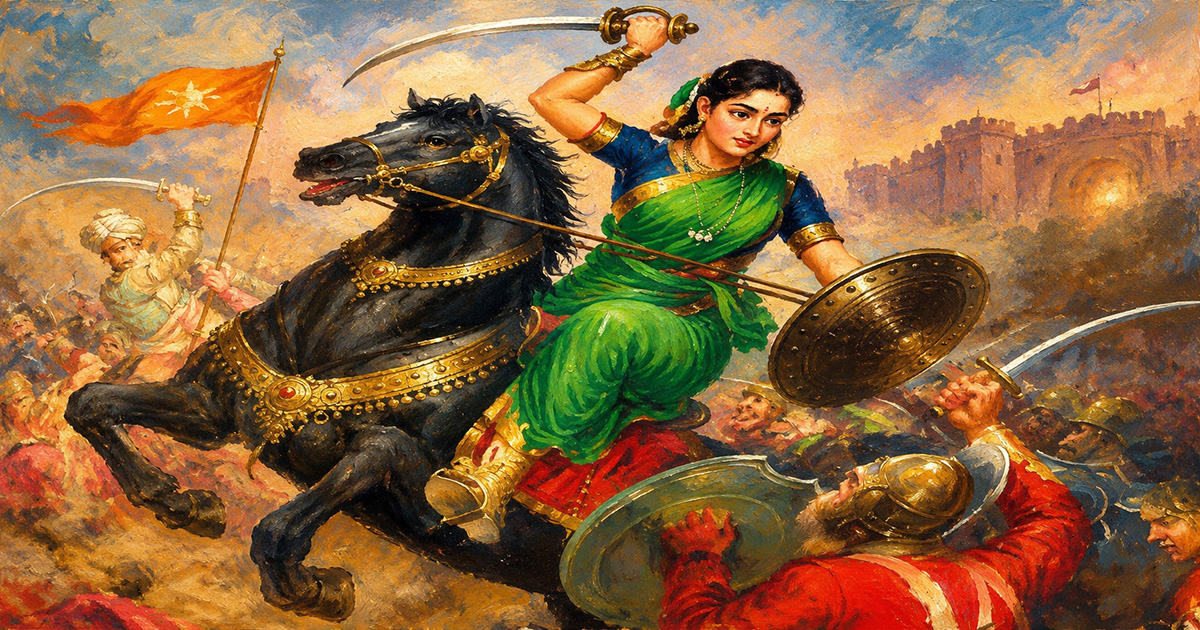
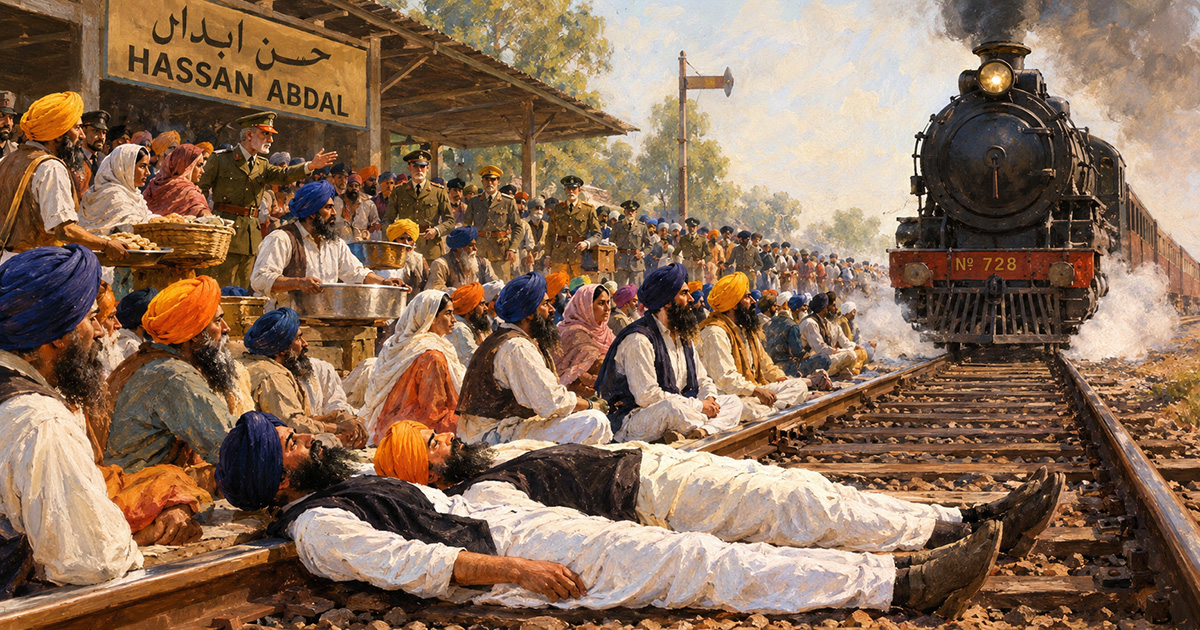
At the start of the 19th century, the Sikh Empire stood firmly in Punjab and the northwest regions, while among the Islamic religious groups in Delhi-Lucknow, a new idea was emerging – pure Islamic rule, a Sharia-based system, and jihad against ‘non-Muslim rule’. Born in Rae Bareli, Uttar Pradesh, Syed Ahmad Barelvi laid the foundation of his movement on this very ideology, reaching Peshawar in 1826 and launching a jihad campaign alongside Maulana Ismail Dehlvi. Together, they formed a ‘Mujahideen’ army.
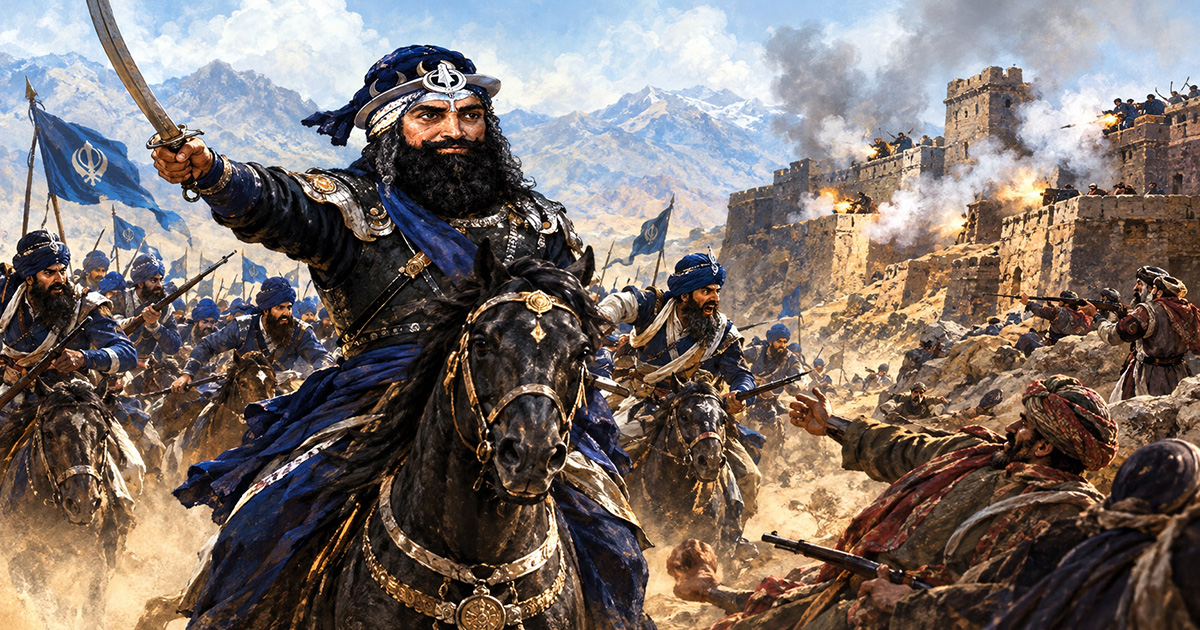
Syed Ahmad avoided confrontation with the British and Marathas, targeting the Sikhs, who were perceived as relatively weaker at the time, but Maharaja Ranjit Singh’s Sikh Empire proved too formidable for his Mujahideen force. Barelvi fought several battles against the Sikhs, but each time, Ranjit Singh’s army delivered a crushing response. He then moved near Kashmir, establishing his base in Balakot in 1830. His strategy was to wage war against the Sikhs from Balakot’s mountains, defeat them, and conquer Kashmir.
On May 6, 1831, in the Battle of Balakot, the Sikh army decisively defeated Syed Ahmad’s Mujahideen. Syed Ahmad and Shah Ismail were killed right there. This very battle endowed Balakot with symbolic significance. The place became ‘the land of jihad’ for the Mujahideen. Thus, Balakot was no longer just geography; it became a symbol etched on a mental map—a valley from where stories of jihad begin and future generations draw ‘inspiration’.
Jaish’s Camp: ‘Paradise Preparation’ for Fidayeens
As various jihadist networks spread across Pakistan at the start of the 21st century, groups like Jaish-e-Mohammed selected Balakot as a key stronghold. Remote hills, rivers, forests, a religious atmosphere, and historical jihadist symbolism all combined to make it an ideal camp location.

Major training camp in Balakot, disguising it from above as a madrasa
Around 2000, they set up a major training camp on the Jaba Top hill near Balakot, disguising it from above as a madrasa and religious complex called ‘Taleem-ul-Quran’. But inside, the work was training for fidayeen attacks, weapons handling, target mapping, and ideological indoctrination for ‘martyrdom’.
The Response from the Skies on February 26, 2019
On February 14, 2019, Jaish-e-Mohammed carried out a terrorist attack in Pulwama. After the sacrifice of 40 Indian soldiers in this attack, India decided the response this time would be resounding. Not just firing at some post near the Line of Control, but striking right where Pakistan and Jaish felt the most secure, the Jaba Top camp in Balakot.

India conducts air strikes in Balakot
At around 3:30 AM on February 26, Indian Air Force Mirage-2000 jets crossed the border, entered the limits of Khyber Pakhtunkhwa, and targeted the camp’s buildings with GPS/image-guided Spice-2000 smart bombs. This was the first time since 1971 that Indian aircraft had crossed the Line of Control and international border to carry out an airstrike on a target inside Pakistan.
The airstrike added a new twist to this pattern for the first time – a message that if a city’s hills repeatedly become laboratories for terrorist violence, the response will now reach right there too.
.png)


.jpg)