Jaito Da Morcha (1924): When 500 Unarmed Sikhs Forced the British Empire to Liberate the Gurudwaras

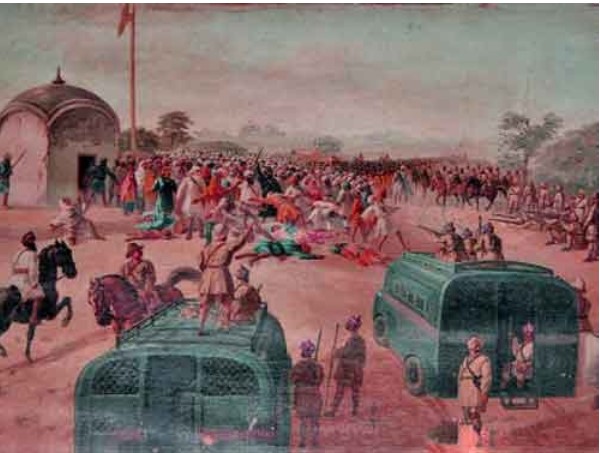
On February 21, 1924, near the town of Jaito in Punjab, one of the most powerful moments of spiritual resistance unfolded in India’s freedom struggle. Hundreds of unarmed Sikh volunteers walked calmly toward British barricades — not to fight, but to pray. They carried no weapons. Only faith, discipline, and the resolve to defend the dignity of their religious institutions. As they advanced, British troops opened fire. In minutes, over a hundred fell. Hundreds more were injured. Yet not a single protester retaliated. They neither ran nor attacked. They simply continued walking forward.
This was the Jaito Morcha — a movement that proved that moral courage could shake even an empire.
The Spark of Arrest and the Insult to the Maharaja
The roots of the Jaito Morcha lay in the British removal of Maharaja Ripudaman Singh of Nabha on July 9, 1923. Ripudaman Singh was not just a ruler — he openly supported Sikh reform movements and nationalist causes. He even wore a black turban to protest the Nankana Sahib massacre.
His growing popularity and nationalist leanings made the British uncomfortable. Consequently, on July 9, 1923, the British deceitfully removed him from the throne. To protest against this injustice, the Shiromani Gurdwara Parbandhak Committee (SGPC) declared September 9, 1923, as ‘Nabha Day’ to be observed peacefully. The SGPC took leadership of this movement and called for religious gatherings (Diwans), Nagar Kirtans, and prayers (Ardas) in every village. This led to enthusiastic preparations for the protest across the region.
Insult to the Akhand Path and Intense Reaction
In response to the call given by the SGPC, programs began in various places, with the city of Jaito emerging as the main center of the protest. As a part of this movement, a religious gathering (Diwan) and an Akhand Path (continuous prayer) were planned at Gurdwara Shri Gangsar Sahib. However, on September 14, 1923, British forces entered the gurdwara, arrested sevadars, and forcibly removed the granthi conducting prayers. For Sikhs, this was not just political oppression — it was a direct assault on their faith. Initially, groups of 25 volunteers marched daily from Akal Takht Sahib toward Jaito — and were arrested every time.
‘Shaheedi Jathas’ of 500 Sikhs
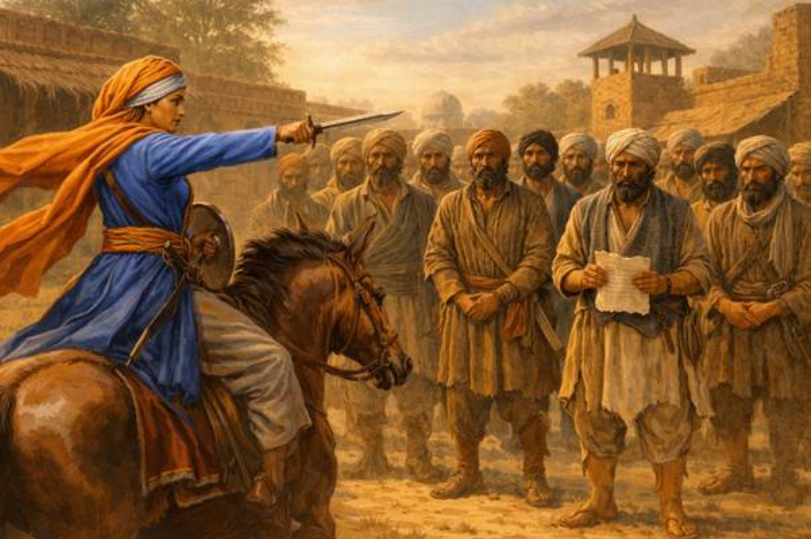
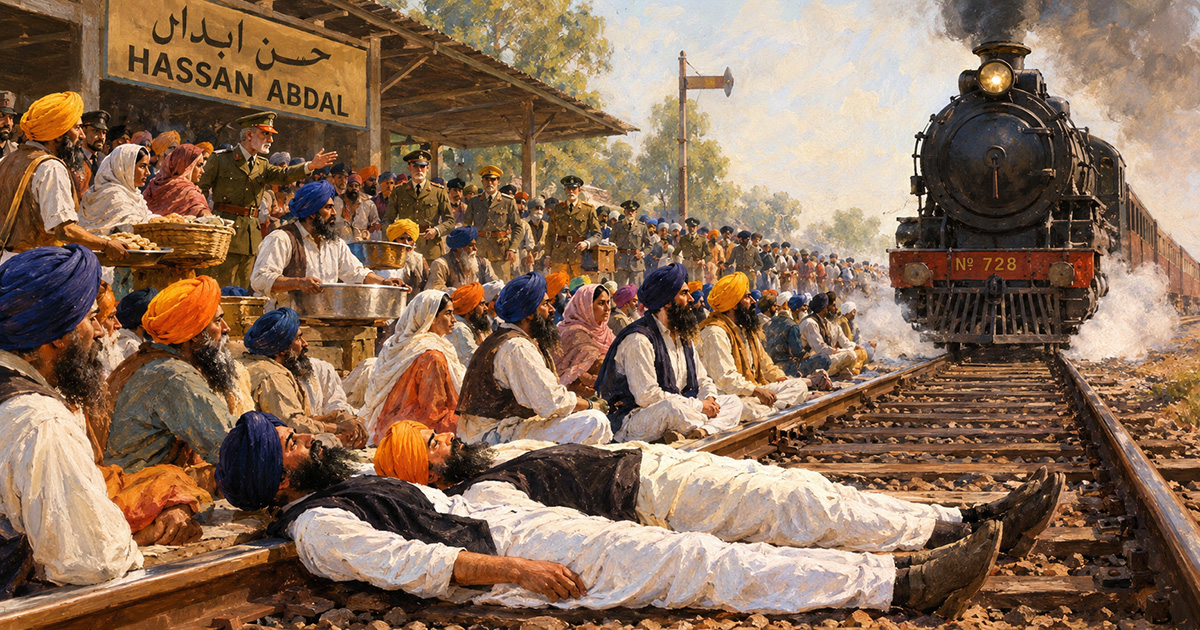
Finally, after deep deliberation, the Shiromani Committee decided to send larger batches of 500 Sikhs instead of 25. This grand jattha started its foot journey from Akal Takht Sahib on February 9, 1924, and reached the border of Jaito on February 21, 1924, with the sole aim of restarting the Akhand Path.
This was not just a men’s movement. Mothers and sisters ran langars. Villages offered shelter and medical help. Women marched alongside men.
The Bloody Firing of February 21
The British had completely blocked the road leading to Gurdwara Shri Gangsar Sahib with barbed wire and machine guns. When the Shahidi Jatha was only 150 feet away from Shri Tibbi Sahib, a British officer tried to stop them. They did not. They kept walking — calmly. Then firing began. In 5 minutes, over 100 were martyred, and more than 300 were injured. Yet the movement did not stop. Over the next few months, 13 more Shahidi Jathas of 500 people each reached Jaito and voluntarily accepted arrest.
After seventeen Shahidi Jathas were sent and a courageous struggle lasting nearly one year and ten months, the British government finally had to bow down. On July 7, 1925, the ‘Sikh Gurdwaras Bill’ was passed unanimously, which freed the Gurdwaras of Punjab from the control of Mahants and brought them under the management of the SGPC and the Sikh Sangat. Following the passage of the bill, all Sikh prisoners were released in August 1925, and this long movement concluded with the victory of devotion, faith, and community unity.
.png)


.jpg)